Volga river freezes Stalingrad
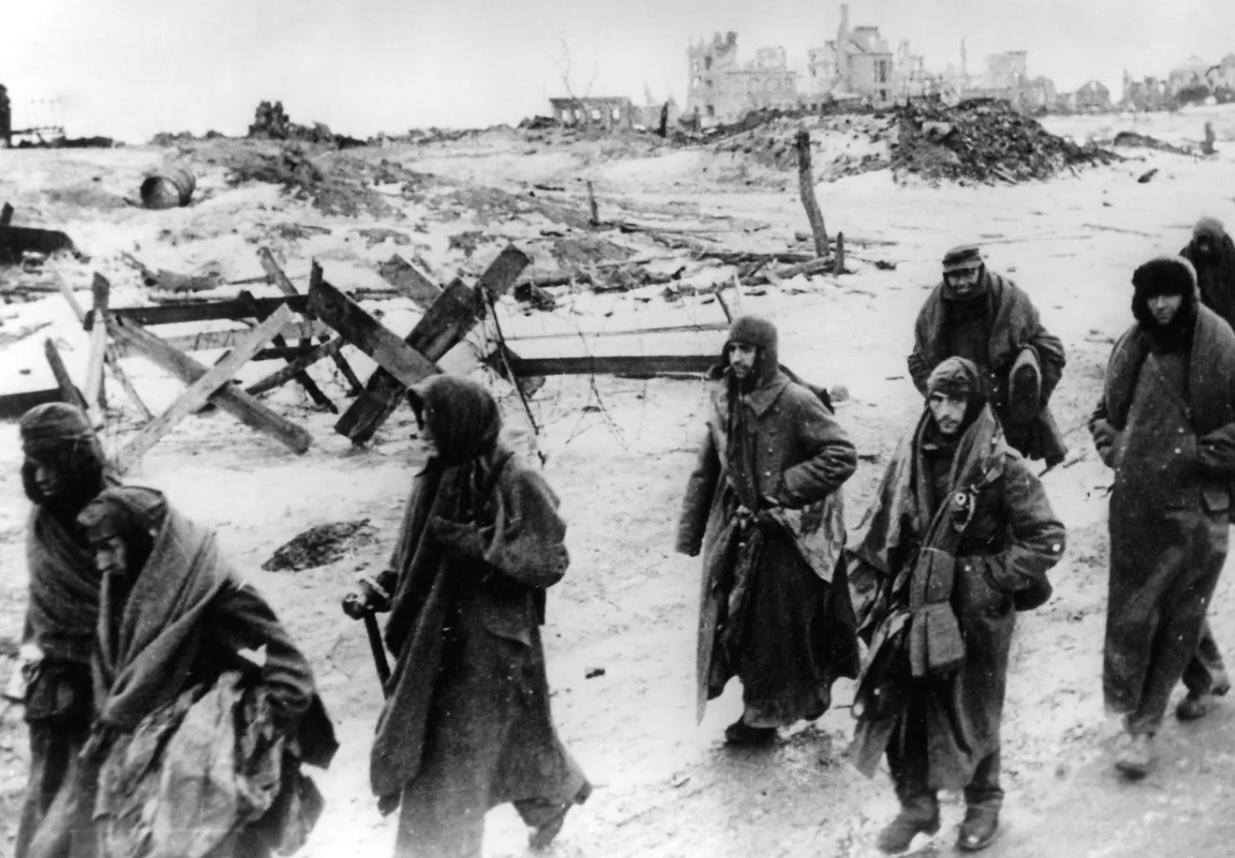
In the middle of December 1942, during the Battle of Stalingrad, the weather over the Volga River reached a level of cold that shaped the entire course of the fighting. Temperatures plunged to around minus forty degrees Celsius, harsh even by Russian winter standards. The Volga, normally a wide and dangerous barrier of flowing water, finally froze solid. What had been a deadly crossing under German artillery, air attack and drifting ice became, for a crucial period, a natural highway. This sudden change mattered far more than it might first appear.
Until the freeze, getting supplies into the city was a desperate struggle. Soviet boats could only operate at night, slipping through fog and smoke, often under fire, and many were sunk. Food, ammunition and medical supplies came in slowly and at great cost, and wounded soldiers often had to wait for evacuation, sometimes dying before help could reach them. When the river froze deeply enough to bear weight, the Soviets began sending sleds, trucks where possible, and long columns of men pulling small loads by hand. It was primitive but effective. Even small amounts of ammunition or a few crates of bread meant life or death inside the ruined city.
The frozen Volga also allowed more reliable movement of reserves. Reinforcements who could never have crossed by boat during heavy fighting now marched straight over the ice, often into the city at night to avoid German observation. Many soldiers later recalled hearing the ice groan beneath them as they walked toward the burning skyline of Stalingrad, but it held. Those reinforcements helped stabilize battered units and allowed commanders to rotate exhausted troops, something that had been nearly impossible before the freeze.
The impact was not only logistical but psychological. German troops inside Stalingrad noticed that the Soviet firepower seemed to increase as the days grew colder—more mortars, more machine-gun ammunition, more grenades. For the defenders, the arrival of warm clothing, fuel canisters and fresh troops meant improved morale in a winter that otherwise might have destroyed them. The Soviets also used the frozen river to move heavier equipment such as anti-tank guns, which played a growing role as German attempts to break the encirclement became more desperate.
An interesting detail is that the Germans initially believed the freeze might benefit them too. They assumed the Soviets would be unable to maintain large-scale movements across the ice and that their own air power could still dominate. But severe cold disabled many Luftwaffe aircraft, froze fuel lines and made maintenance almost impossible. German pilots also reported fogging instruments and engines that simply refused to start. Meanwhile the Soviets had more experience fighting in extreme winter and had prepared simple but effective ways to cope, from insulated gun positions to improvised sleds pulled by teams of soldiers.
Another lesser-known fact is that Soviet engineers constantly monitored the thickness of the ice, marking safe routes and repairing cracks with snow and water that quickly froze again in the bitter cold. They even created separate lanes for foot traffic, animal sleds and heavier loads, turning the river into something like a frozen supply road. The Volga, which had served as the city’s lifeline even at terrible cost in earlier months, became a dependable artery just when Stalingrad needed it most.
In the end, the freeze of the Volga in mid-December did not by itself decide the battle, but it changed the rhythm of the fighting. Supplies reached the city in greater quantities, reinforcements moved more freely and the defenders gained enough strength to hold out while Soviet armies tightened the encirclement around the German Sixth Army. The cold that threatened to kill men outright also became, ironically, one of the factors that helped the Soviets win one of the most decisive battles of the Second World War.