Vietnam Diseases
Disease was one of the most persistent and underestimated threats faced by U.S. forces during the Vietnam War. Long before many soldiers encountered enemy fire, they encountered tropical pathogens that thrived in Vietnam’s climate, terrain, and living conditions. Jungle heat, monsoon rains, insects, contaminated water, and crowded bases created ideal conditions for illness. These diseases affected entire units, disrupted operations, and in some cases caused deaths and long-term health problems that followed veterans for decades.
Malaria proved to be the single most disruptive infectious disease of the war. It struck hardest in jungle and highland regions where mosquito populations were dense and difficult to control. Some combat units experienced infection rates so high that they were temporarily rendered ineffective, with large numbers of soldiers hospitalized or removed from operations at the same time. Dozens of U.S. service members died from severe malaria, but the greater impact was on combat readiness. Soldiers often suffered repeated bouts, and relapse was common. Many developed symptoms weeks or months after leaving Vietnam, sometimes after returning home, which prolonged recovery and complicated diagnosis. Long-term effects included recurring fevers, anemia, and lasting physical weakness, particularly when treatment was delayed or incomplete.
Viral hepatitis was another major burden on the force. It spread easily through contaminated food and water, unsanitary conditions, and blood exposure, all of which were common in a combat environment. Hepatitis frequently caused prolonged illness that kept soldiers off duty for weeks or months at a time. Deaths during active service were relatively uncommon, but the long-term consequences were severe. Many veterans later developed chronic liver disease, including cirrhosis and liver cancer, as a result of infections acquired during the war. In many cases, symptoms did not appear until decades later, making hepatitis one of the most serious delayed health outcomes linked to Vietnam service.
Diarrheal diseases and dysentery were constant companions of daily life in the field. Poor sanitation in forward areas, reliance on local food and water, and the difficulty of maintaining hygiene during operations meant gastrointestinal illness was widespread. Although usually not fatal, these infections caused dehydration, severe weakness, and significant loss of combat effectiveness. Early in the war, entire units could be sidelined by outbreaks. Some veterans later experienced persistent digestive problems linked to severe or repeated infections during deployment.
Respiratory infections were also common. Crowded living conditions, exposure to dust, smoke, and burning waste, and frequent movement between climates led to high rates of respiratory illness. These infections accounted for a large number of hospital admissions and lost duty days. While most cases resolved without permanent damage, repeated infections and environmental exposure contributed to chronic respiratory symptoms in some veterans later in life.
Sexually transmitted infections were among the most frequently reported medical conditions of the war. Prolonged deployments, stress, limited recreation, and inconsistent preventive practices contributed to extremely high infection rates. Although deaths were rare due to antibiotic treatment, these infections caused significant lost duty time and, in some cases, long-term complications. They also contributed indirectly to the spread of viral hepatitis.
Other tropical diseases added to the medical burden. Dengue fever caused sudden, debilitating illness marked by high fever and prolonged fatigue. Scrub typhus, leptospirosis, and other zoonotic infections were less common but often severe and difficult to diagnose in the field. Some required long recovery periods and could cause lingering weakness or organ damage if not treated promptly.
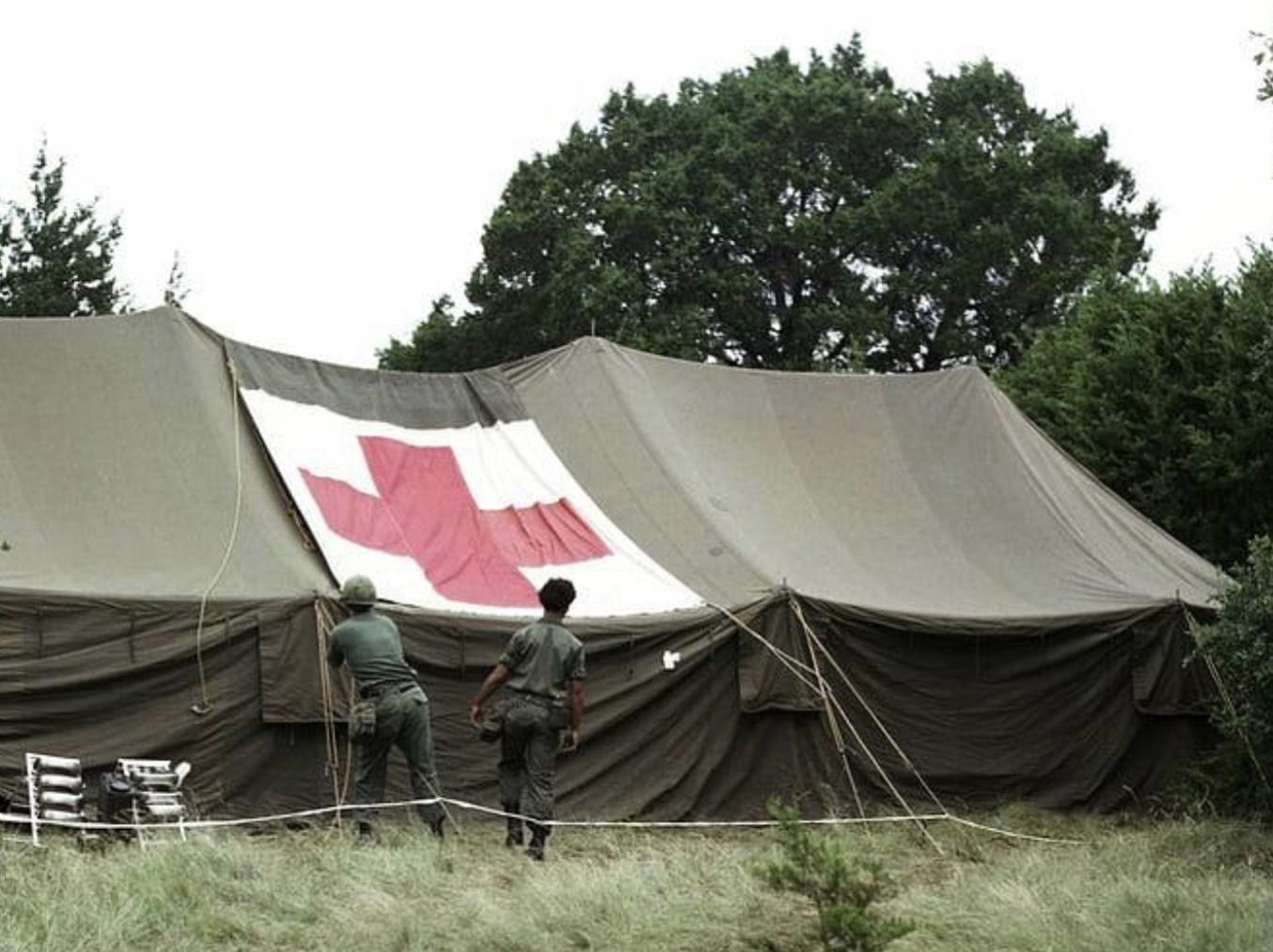
Controlling these diseases was not left to individual soldiers or unit commanders alone. Responsibility for outbreak prevention and disease surveillance fell primarily to the U.S. Army Medical Department, which operated throughout the Vietnam theater. By the late 1960s, tens of thousands of medical personnel were assigned to Vietnam, making it one of the largest supporting branches of the war effort. Medical units were embedded at every level, from major base hospitals down to small detachments attached directly to maneuver units in the field.
A key role within this system was played by preventive medicine units. These included preventive medicine detachments, environmental health teams, and mobile medical laboratories. Their mission was to prevent outbreaks before they crippled units. These teams inspected and treated water supplies, monitored food handling, tested sanitation systems, tracked insect populations, and investigated spikes in illness. When clusters of fever, jaundice, or diarrhea appeared, preventive medicine officers were often the first to identify whether a unit was dealing with malaria, hepatitis, dengue, or another infectious threat.
At the height of the war, dozens of preventive medicine detachments operated across South Vietnam. Although each team was relatively small, often numbering between 10 and 30 specialists, they covered large areas and supported multiple combat units. Divisions typically had their own attached preventive medicine sections, while corps-level commands coordinated surveillance and response across entire regions. These teams frequently moved with or closely followed combat units, particularly during extended jungle operations where disease risk was highest.
Laboratory units played a critical supporting role. Mobile laboratories were capable of identifying malaria parasites, bacterial causes of dysentery, and other pathogens, allowing commanders to respond quickly and accurately. Rapid diagnosis often prevented unnecessary evacuation of entire units and reduced panic when illness spread through a camp or battalion.
At the lowest level, field medics were essential to disease control. Assigned directly to platoons and companies, they distributed preventive medications, treated early symptoms, reinforced hygiene practices, and reported unusual illness patterns. Although trained primarily for combat trauma, medics in Vietnam spent much of their time managing infectious disease and its complications.
The Marine Corps relied on a parallel system provided by the United States Navy Medical Corps. Navy doctors, corpsmen, and preventive medicine specialists were embedded with Marine units at every level. They conducted the same sanitation inspections, water testing, and vector control efforts, particularly in coastal and riverine environments where Marines frequently operated.
Despite the scale and professionalism of these medical organizations, controlling disease in Vietnam remained extremely difficult. Combat conditions often made sanitation impossible, insect protection inconsistent, and preventive medication compliance uneven. Even so, military medical leaders widely agreed that without embedded medical corps and preventive medicine units, disease casualties would have been far higher and far more disruptive.
To reduce risk, soldiers received a range of inoculations before deployment, including vaccines for diseases such as smallpox, typhoid, cholera, tetanus, plague, yellow fever, and typhus, depending on service policies at the time. These vaccines prevented large-scale outbreaks of some historically devastating diseases. However, vaccines did not exist for many of the most common threats encountered in Vietnam, including malaria and dengue fever. Prevention for these relied on medications, mosquito control, protective clothing, sanitation measures, and constant medical oversight.
In Vietnam, disease did not merely accompany the war; it actively shaped it. Illness reduced manpower, slowed operations, and left long-lasting health effects that extended far beyond the battlefield. While modern medicine reduced mortality compared with earlier conflicts, infectious disease remained a powerful force, reminding military planners that microbes can be as decisive as any weapon.