On this day in military history…
Operation Abstention was one of the earliest British commando raids of the Second World War and took place on 25 February 1941 against the Italian-held island of Kastellorizo (then commonly rendered by the British as Castelorizzo or Castelrosso), a small but strategically important island lying just off the Turkish coast in the eastern Mediterranean. The operation was conceived during the period when British forces in the Middle East sought to harass and weaken Italian positions in the Aegean and Dodecanese islands, both to gather intelligence and to divert Axis attention from British moves in North Africa and Greece. It was also intended to test the effectiveness of the newly formed British commandos in amphibious raiding and temporary occupation of enemy territory.
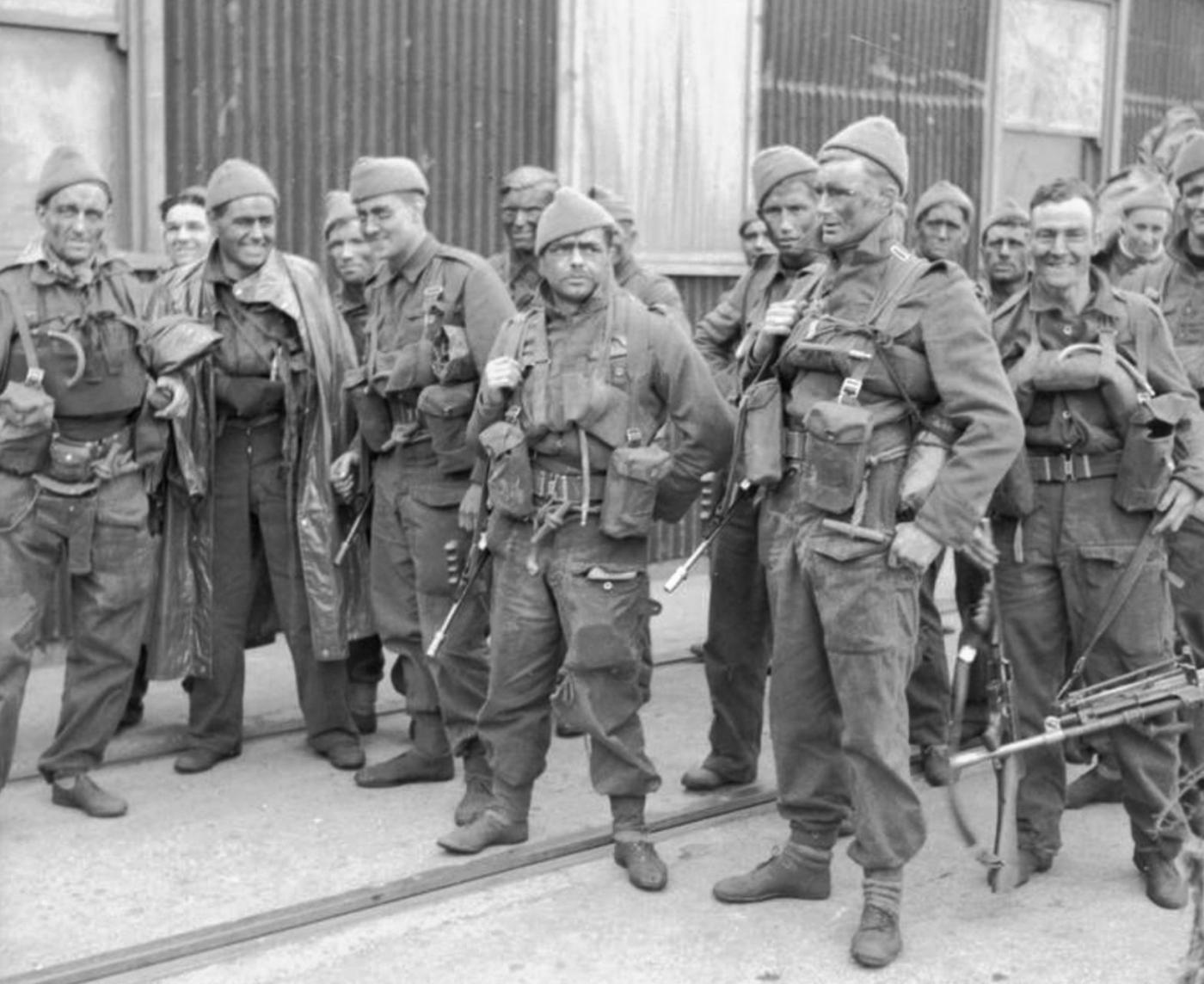
The mission was placed under the overall command of Lieutenant Colonel E. G. S. (Ted) Laycock, commanding officer of No. 8 Commando, a unit also known as the Guards Commando. Naval responsibility rested with Captain H. J. Egerton of the Royal Navy. Laycock himself accompanied the raiding force, making this one of the earliest examples of a commando commander personally leading troops in a seaborne assault. The attacking force was relatively small but carefully selected. It consisted primarily of approximately 200 men from No. 7 and No. 8 Commandos, supported by a detachment of Royal Marines and specialists including signallers and engineers. These men had been assembled and trained in the Middle East for raiding operations and were drawn from elite regiments across the British Army. Naval support included destroyers and submarines of the Royal Navy, notably HMS Hereward and HMS Jaguar, as well as smaller craft used to land the commandos.
The aim of Operation Abstention was multifaceted. The British hoped to seize Kastellorizo quickly from its small Italian garrison, capture prisoners and documents, and establish a temporary occupation. From there, they intended to use the island as a forward observation and intelligence base and possibly as a stepping stone for further operations against nearby Axis-held islands such as Rhodes. There was also a political element: demonstrating British reach into the eastern Aegean could encourage Greek resistance and unsettle Italian control in the region. The planners believed the Italian garrison on the island was weak and that surprise would allow a swift and relatively bloodless capture.
The operation began with a night landing in the early hours of 25 February 1941. The commandos approached under cover of darkness and achieved initial surprise. The Italian defenders, numbering roughly 35 to 40 soldiers from a local garrison unit supported by coastal artillery personnel and Carabinieri, were caught off guard. These troops were lightly equipped and not prepared for a determined amphibious assault. The British commandos quickly secured the harbour area, captured the Italian administrative buildings, and took a number of prisoners. Among those captured was the Italian naval officer in charge of the island’s defences. The initial phase of the operation therefore appeared to be a complete success. The British raised their flag over the island and began consolidating positions.
However, the plan relied heavily on rapid reinforcement and naval support, and here the difficulties began. Kastellorizo lay within easy reach of Italian air and naval forces based on Rhodes, which was a major Axis stronghold in the Dodecanese. Once the initial surprise wore off and news of the British landing reached Rhodes, the Italians reacted swiftly. Italian aircraft began attacking the harbour and British shipping, forcing Royal Navy vessels to withdraw temporarily to avoid heavy damage. This withdrawal left the commandos on the island isolated and without the planned level of reinforcement or heavy support.
On 26 February Italian forces launched a counterattack. Reinforcements were dispatched from Rhodes by sea, including several hundred Italian troops transported in small vessels and escorted by torpedo boats. Estimates suggest between 200 and 300 Italian soldiers eventually landed to retake the island, significantly outnumbering the British commandos now ashore. These reinforcements included better-armed infantry supported by machine guns and mortars. With naval gunfire support limited due to the threat from Italian aircraft, the British commandos found themselves in a precarious situation.
Fighting on the island became increasingly intense. The commandos attempted to hold defensive positions around the harbour and key buildings, but their numbers were insufficient to control the entire island against growing Italian resistance. Communications difficulties and confusion over command further complicated the situation. Some British reinforcements did manage to land, including elements of the Sherwood Foresters who had been intended as a garrison force, but coordination between the commandos and these conventional troops proved difficult. Italian aircraft continued to harass British naval units, making resupply and evacuation hazardous.
Casualties began to mount on both sides. British losses included several killed and wounded during the Italian counterattacks and air raids. Exact figures vary in historical accounts, but British casualties are generally recorded as a small number killed and wounded, with a much larger number captured when the situation deteriorated. Italian casualties during the initial assault were relatively light, though some were killed or wounded in the fighting and a number taken prisoner during the first hours of the landing.
By 27 February the British position had become untenable. Italian reinforcements had established a stronger foothold and were pressing the remaining British troops. With naval support limited and the risk of encirclement growing, a decision was made to evacuate as many men as possible. Royal Navy destroyers and submarines returned under cover of darkness to extract the commandos. In the confusion and urgency of the evacuation, not all British troops were able to reach the boats. Approximately 130 British soldiers, mainly from the Sherwood Foresters who had arrived as reinforcements, were left behind and subsequently captured by the Italians.
The evacuation itself was carried out under dangerous conditions, with Italian aircraft attacking the ships and the threat of Italian naval interception ever present. Despite these risks, a significant portion of the commando force, including Lieutenant Colonel Laycock, was successfully withdrawn. Those captured were taken into Italian captivity and spent the remainder of the war as prisoners of war until Italy’s surrender in 1943 and subsequent liberation by Allied forces.
Operation Abstention therefore ended as a tactical failure despite its promising start. The initial seizure of Kastellorizo demonstrated the effectiveness and daring of the British commandos, but the inability to hold the island against rapid Axis counteraction highlighted the limitations of such small raiding forces when operating far from strong naval and air support. The operation provided valuable lessons in amphibious warfare, coordination between services, and the importance of maintaining control of the air and sea around a landing zone.
In the broader context of the war in the Mediterranean, the raid had little lasting strategic effect, as the island quickly returned to Italian control and remained in Axis hands until later in the conflict. However, it contributed to the growing experience of British commando units and informed the planning of future operations, including more successful raids in the Mediterranean and along the coasts of occupied Europe. The bravery of the commandos involved and the dramatic nature of the small-scale island battle ensured that Operation Abstention remained a notable early episode in the history of British special operations during the Second World War.