United States Distinguished Fly Cross Medal
The Distinguished Flying Cross is one of the best known American medals awarded to airmen, and it came into being when flying was still new, risky, and often deadly. It was introduced on 2 July 1926 by the United States Congress, during a time when military aviation was rapidly developing. The award was made to cover service going back to 1917, so actions from the First World War could be recognised even though the medal did not yet exist. The first awards were given in 1927, and one of the earliest recipients was Charles Lindbergh, who received it for his famous solo flight across the Atlantic Ocean.
The medal is awarded for heroism or extraordinary achievement while taking part in aerial flight. In simple terms, it is given for something well beyond normal flying duties. This could be bravery in combat, such as attacking enemy aircraft, completing dangerous bombing missions, or bringing a badly damaged aircraft safely home. It can also be awarded for non-combat achievements, especially in the early years, when record-breaking flights and advances in aviation were seen as just as important as combat actions. Over time, especially during wars, it became more closely linked with bravery under fire.
During the Second World War the medal was awarded in very large numbers because air combat played such a huge role. In some cases, aircrew could receive it after completing a set number of dangerous missions, particularly in bomber units where survival rates were often low. It is estimated that over 90,000 were awarded during that war alone, although no exact total has ever been agreed. Since then, many more have been awarded in later conflicts such as Korea, Vietnam, Iraq, and Afghanistan, but again there is no precise overall figure.
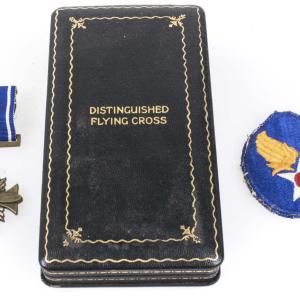
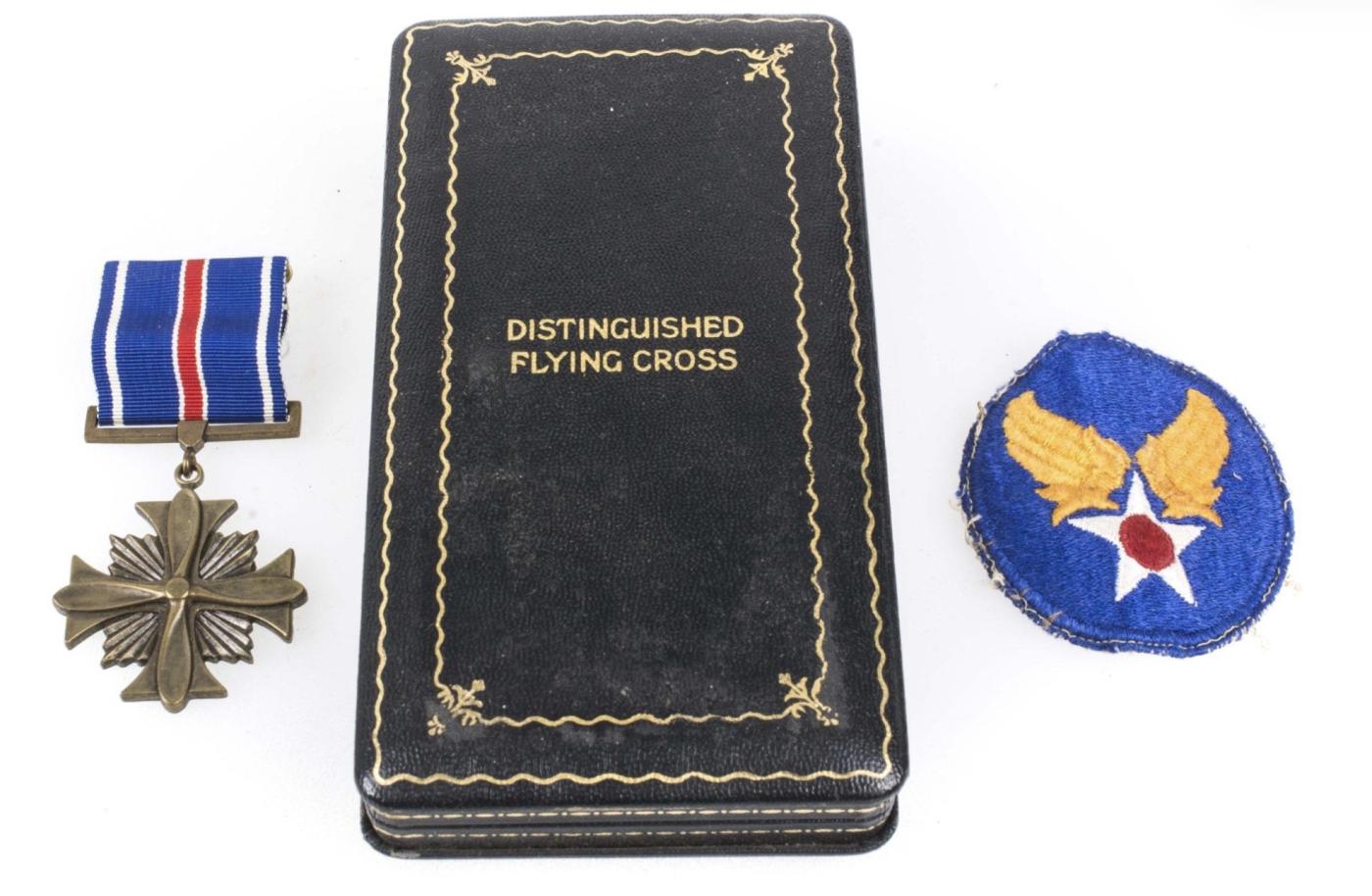
The design of the medal reflects aviation. It is a bronze cross with a propeller in the centre, symbolising flight, speed, and the risks involved. The back of the medal is usually engraved with the recipient’s details, making each one personal. If someone earns the award more than once, they do not receive multiple medals but instead small symbols are added to the ribbon to show additional awards.
The Distinguished Flying Cross has been awarded to both officers and enlisted personnel across all branches of the American armed forces, and it can also be given to foreign allied personnel. One notable recipient was Aleda E. Lutz, the first American woman to receive the award, honoured after her death in the Second World War for her courage as a flight nurse. Another well-known recipient was George McGovern, who earned the medal as a bomber pilot long before he became President of the United States.
Over the years the meaning of the award has slightly changed. In earlier wars it was sometimes linked to completing a certain number of missions, but in more modern times it is more clearly tied to a specific act of heroism or outstanding achievement. Extra devices can be added to show if the award was for bravery in combat, helping to make the reason clearer.
What makes the Distinguished Flying Cross special is that it recognises not just courage, but also skill and determination in one of the most dangerous environments of warfare. Flying in combat has always involved great risk, from enemy fire to mechanical failure, and those who receive this medal have shown they could go beyond what was expected of them. It remains one of the most respected honours an airman can earn, and it represents the bravery and dedication of those who take to the skies in service.