
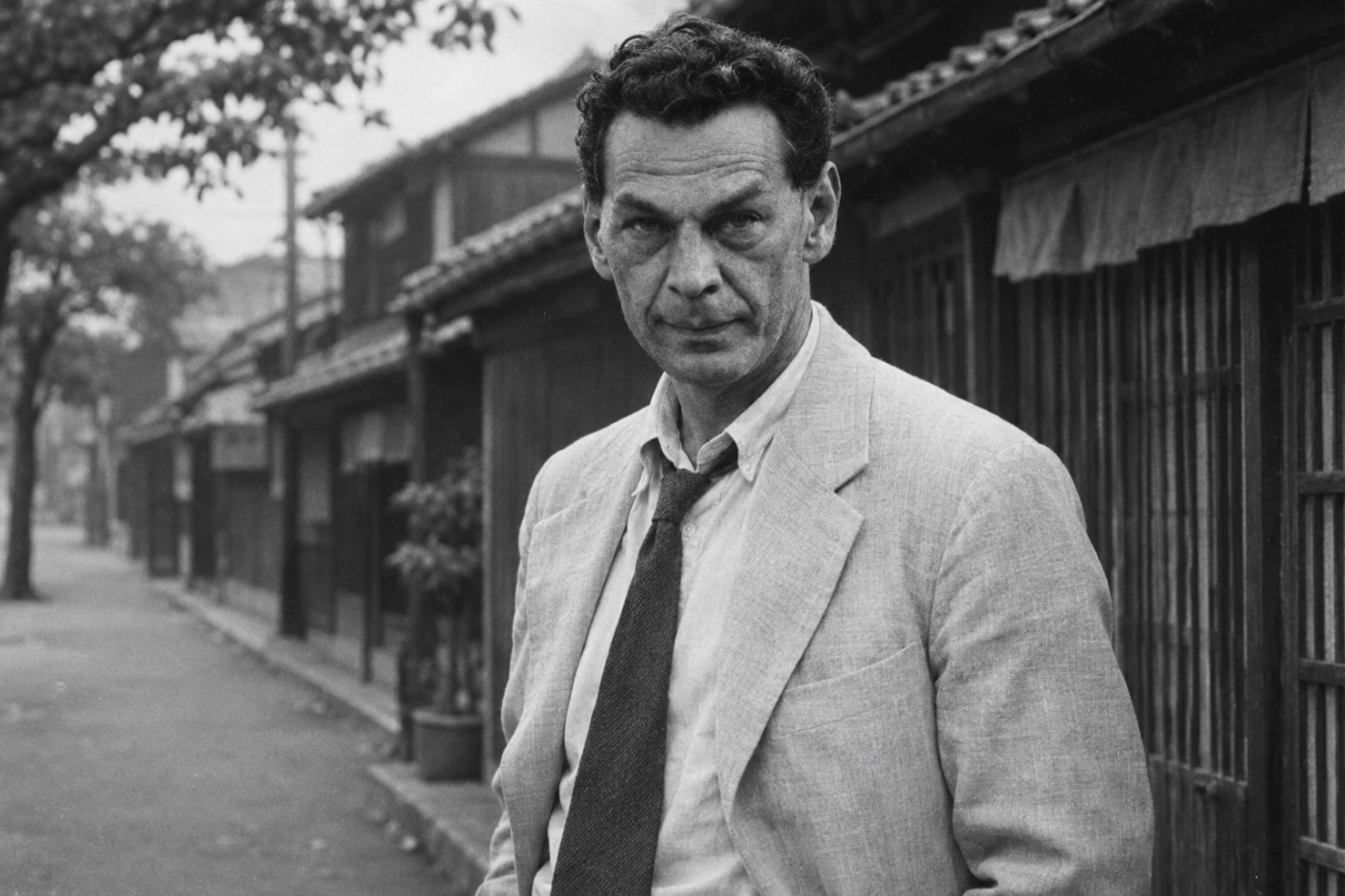
Soviet Spy Executed
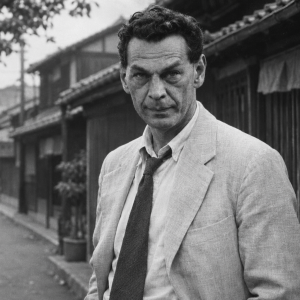
On 7 November 1944, Richard Sorge was hanged at Sugamo Prison in Tokyo. It was the anniversary of the Bolshevik Revolution, and the man on the gallows had spent years passing secrets to the state that revolution had created. In Tokyo’s diplomatic circles he was a well-connected German correspondent. To Soviet military intelligence he was Ramsay, the agent who had warned Moscow that Hitler was preparing to invade.
Sorge was born near Baku in 1895 to a German father and a Russian mother and grew up in Germany. He fought in the German Army during the First World War and was badly wounded. He became a committed communist, moved to Moscow and entered Soviet military intelligence. After working in Shanghai, he joined the Nazi Party to strengthen his cover and arrived in Japan in 1933 as a German journalist. His reporting was genuine, and the better he did his public job, the more access he gained for his secret one.
Sorge won the trust of Eugen Ott, who became Germany’s ambassador to Japan. Ott valued his judgement on Japanese affairs and even asked him to help draft reports to Berlin. Meanwhile, Sorge’s most valuable Japanese source was Hotsumi Ozaki, a journalist who advised Prime Minister Fumimaro Konoe and could follow debates inside the Japanese government. Max Clausen, the ring’s radio operator, sent their findings from Tokyo to Moscow in code.
In the spring of 1941, Sorge warned that Germany was preparing to attack the Soviet Union. Stalin distrusted reports of an imminent invasion, and when Operation Barbarossa began on 22 June, German forces overran huge stretches of Soviet territory. As the Wehrmacht closed on Moscow, the Kremlin faced another question. Would Japan attack in the east while the Red Army was fighting for its survival in the west?
By September, Sorge’s network was reporting that Japan was unlikely to attack the Soviet Union that year. Tokyo was looking south towards Southeast Asia and the Pacific, although it kept its options open if the Soviet Union collapsed. Sorge’s reports helped Moscow judge the risk of moving troops west. His intelligence was one part of that decision, and some of the units transferred from the Soviet Far East went into battle in the defence of Moscow.
Japanese police arrested Sorge on 18 October 1941, less than two months before the attack on Pearl Harbor. Ozaki was also arrested. Both men were sentenced to death in 1943 and hanged at Sugamo on the same day the following year. In 1964, Moscow posthumously named Sorge a Hero of the Soviet Union. It was Sorge whose name became famous, but it was Ozaki who could tell him what Japan’s leaders were discussing while they were still deciding where to take the country to war.