Soon Runs Dry
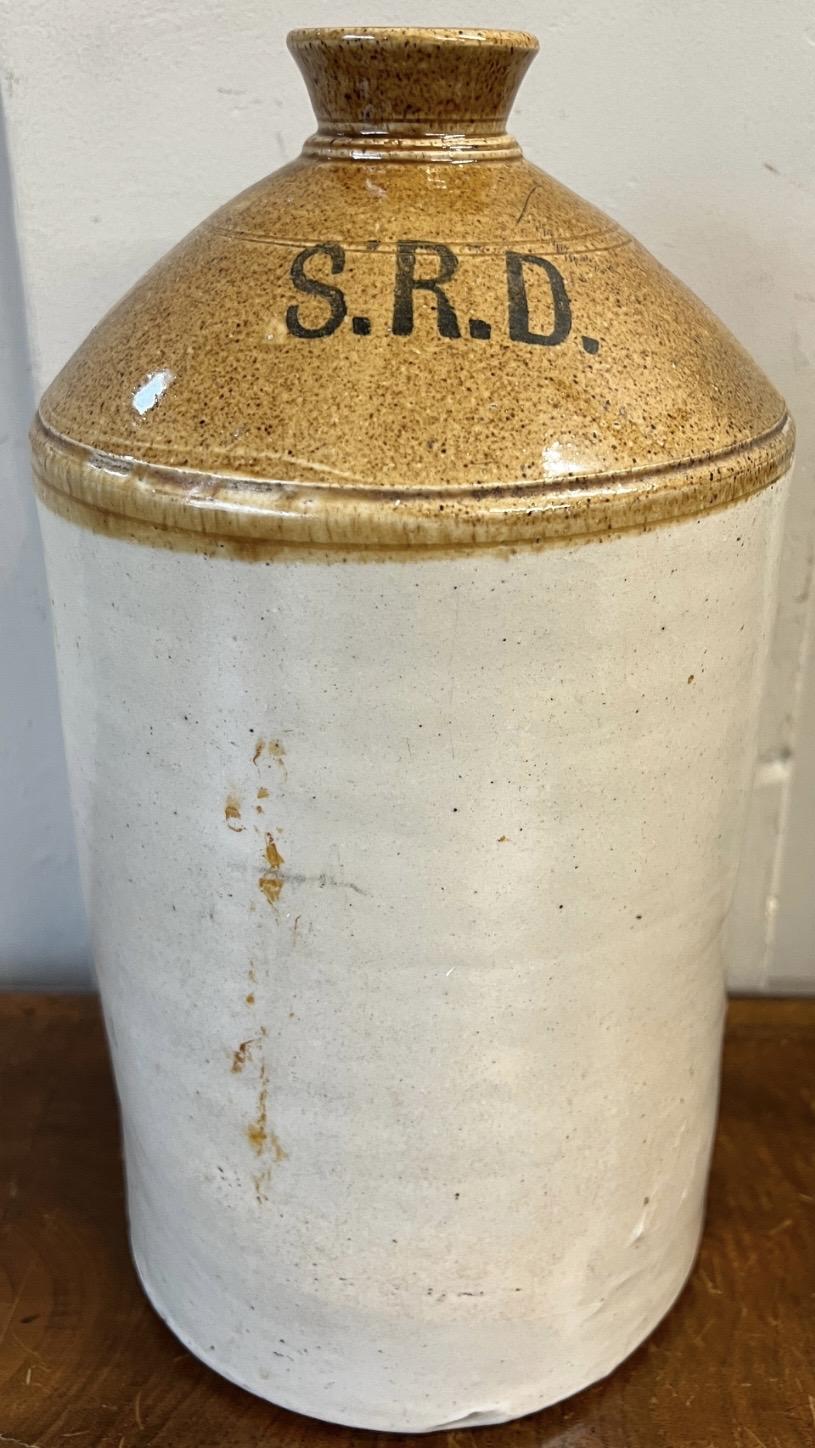
During the First World War the British infantryman, universally nicknamed the Tommy, lived a life defined by cold, mud, danger, and long periods of exhausting monotony. In that world the daily or occasional issue of rum, drawn from the supply reserve depot, took on an importance far greater than its small measure. Men spoke of it constantly, joked darkly about it, and looked forward to it with a mixture of gratitude and fatalism, often referring to the moment when the “rum soon runs dry” as a bleak turning point in an already grim day.
The rum ration was not a luxury so much as a psychological anchor. Issued most commonly before dawn or before an expected attack, it was intended to steady nerves rather than intoxicate. Trench warfare placed soldiers under prolonged stress: artillery fire that lasted for days, the fear of sudden death, exposure to freezing rain, and the grinding boredom between actions. Rum provided a brief sensation of warmth, dulled anxiety, and helped men summon the resolve needed to climb out of the trench when ordered. Officers were well aware that morale could be as decisive as ammunition, and a small ration of alcohol was a simple, portable way of lifting spirits when letters from home were scarce and relief uncertain.
The phrase “rum soon runs dry” reflected more than disappointment at an empty cup. Supply to the front lines was unreliable, especially during heavy fighting or bad weather. When carrying parties failed to arrive, or when depots ran low, the absence of rum was felt as keenly as the lack of hot food. Soldiers wrote in letters and diaries that a missed ration could sink the mood of an entire platoon. The ritual mattered: the company sergeant major measuring it out carefully, the men lining up with mess tins, the shared jokes and curses. When that ritual vanished, it reminded everyone how precarious their comfort really was.
Rum was given to troops primarily as a morale booster, but it was also believed to have practical benefits. In freezing conditions it created a temporary feeling of warmth, even if medically it did little to prevent hypothermia. It also acted as a mild painkiller and sedative, calming shaking hands and easing fear before an assault. The authorities understood the risks of drunkenness, so the ration was strictly controlled and often diluted with water. Punishments could follow if a man was caught saving it up or attempting to acquire more than his share.
As for the rum itself, it was not issued as a commercial brand in the modern sense. The British Army drew heavily on naval supply systems, and the rum came through government contracts rather than labeled bottles familiar to civilians. It was typically a strong, dark Caribbean-style rum similar to that long used by the Royal Navy, blended to a standard strength and shipped in bulk. To the Tommy, its precise origin mattered far less than its arrival. In trench slang it was simply “the rum,” sometimes affectionately called “the only friend that never lets you down,” though even that friend was often late or absent.
Interesting details surround the way rum shaped trench culture. Some men swore it made them braver; others claimed it merely made them more aware of their fear but less concerned by it. Teetotal soldiers were allowed to refuse it, but many chose to trade their ration for food or favors, creating a small economy within the platoon. There were also moral debates at home and among senior officers about whether alcohol weakened discipline, yet the practice endured because front-line commanders consistently reported its positive effect on morale.
In the end, the rum ration symbolized the British Army’s recognition that men could not be sustained on orders and patriotism alone.