Slug Gas Detector Regiment
It sounds almost like a joke from the trenches, but during the First World War slugs were genuinely used to help detect deadly gas attacks. In a conflict where new weapons appeared faster than reliable countermeasures, armies were forced to experiment with anything that might give soldiers a few seconds’ warning before poison gas drifted into their lungs.
Gas warfare became a grim feature of the war from 1915 onwards. Chlorine, phosgene and later mustard gas crept silently across no-man’s-land, seeping into trenches and dugouts. Gas masks existed, but early versions were crude and often uncomfortable, and the real danger was knowing when to put them on. Mustard gas was especially frightening because it could be almost odorless and could linger in the ground or on equipment for days. Soldiers might walk into a trench that looked perfectly safe, only to be burned and blinded hours later.
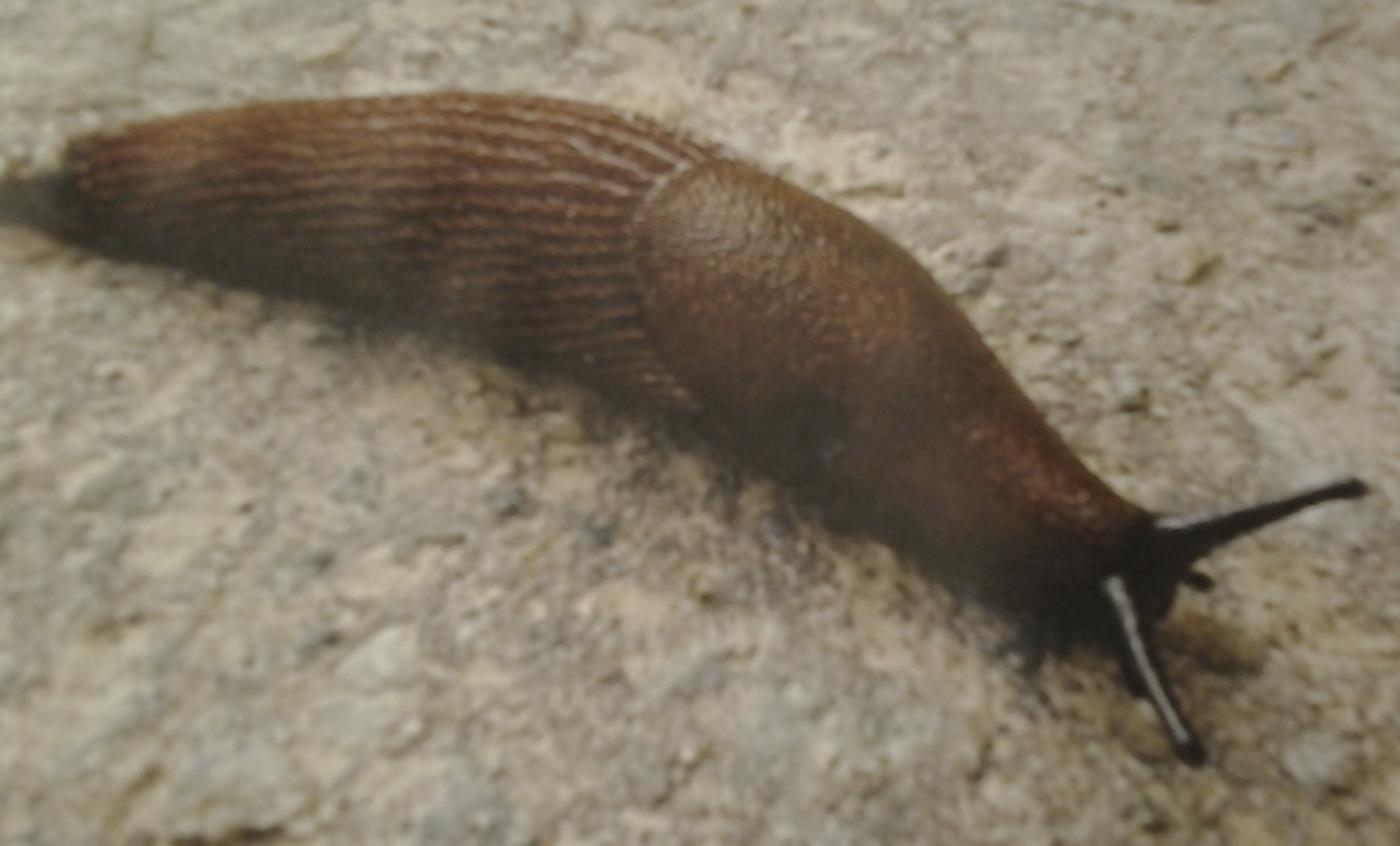
The idea of using slugs came from scientific observation rather than battlefield folklore. A zoologist named Paul Bartsch, working in the United States, noticed that common garden slugs reacted violently to certain chemical fumes. Their bodies were extremely sensitive because they breathe through small openings in their skin and rely on moisture to survive. Even tiny amounts of airborne toxins caused immediate physical changes.
When exposed to mustard gas, slugs reacted far more quickly than humans. Their soft bodies would suddenly contract and shorten, as if shrinking in on themselves. They closed their breathing pores and became rigid or motionless, clear signs of distress that could be seen within moments. A human might not feel anything for several minutes, but a slug would already be signalling danger.
By 1918 this strange sensitivity was taken seriously enough to be tested for military use. The U.S. Army experimented with keeping slugs in small containers near suspected gas zones or newly captured trenches. If a slug showed signs of distress, soldiers were warned to put on their gas masks immediately. In effect, the slug became a living gas detector, reacting faster than the human body ever could.
This was not as odd as it first seems. Animals had long been used as early warning systems, especially in dangerous environments. Miners famously used canaries to detect poisonous gases underground, and military scientists understood that creatures with faster or more delicate respiratory systems could reveal threats invisible to people. The slug was simply a trench-war version of the same idea.
While slugs were never a widespread or permanent solution, they are a striking example of how desperate and inventive wartime science could be. Faced with a weapon that attacked silently and left lasting injuries, soldiers and researchers were willing to rely on anything that worked, even a slow, slimy creature usually crushed underfoot.
Today, gas sensors and protective equipment are vastly more advanced, and the idea of carrying a slug into battle sounds almost absurd. Yet in the dark, muddy trenches of the First World War, where survival often depended on seconds, even a slug could become an unlikely guardian against one of the war’s most feared weapons.