On this day in military history…
On 26 February, during a critical phase of the Viet ham war, as the fighting along the Black River intensified and the situation along the forward outposts became increasingly untenable, French Union forces began a deliberate withdrawal toward the fortified de Lattre Line. The decision was neither sudden nor panicked. For weeks, French commanders had monitored Viet Minh concentrations gathering along jungle approaches and ridgelines overlooking the river valleys, and intelligence reports suggested that the Black River sector would soon be subjected to sustained pressure. When the order to withdraw was finally issued, it was framed as a tactical contraction designed to preserve combat power while drawing the opposing forces into prepared killing zones nearer the fortified belt constructed under General Jean de Lattre de Tassigny.
The withdrawal unfolded under the protection of one of the most intense artillery barrages of the campaign. Over the course of several hours, a coordinated fire plan unleashed approximately 30,000 shells across known and suspected Viet Minh assembly areas, river crossings, and jungle tracks leading toward French positions. Batteries of 105 mm and 155 mm guns, supported by mortars and mobile artillery mounted on river craft, fired in carefully timed sequences. The barrage was not simply intended to destroy enemy formations but to blind and disorganize them, masking French troop movements as units disengaged from forward strongpoints and began moving south and east toward the defensive belt.
French gunners had spent days registering targets and plotting defensive fire missions. When the withdrawal commenced in the early morning haze, artillery observers embedded with rear guard units called down curtain fires that advanced methodically across the landscape. Shells burst along the riverbanks and across the narrow trails that wound through bamboo thickets, creating a wall of explosions and smoke. This rolling barrage allowed infantry and armored elements to disengage in stages, often moving from one preselected defensive pocket to another while engineers demolished bridges and laid mines to slow pursuit.
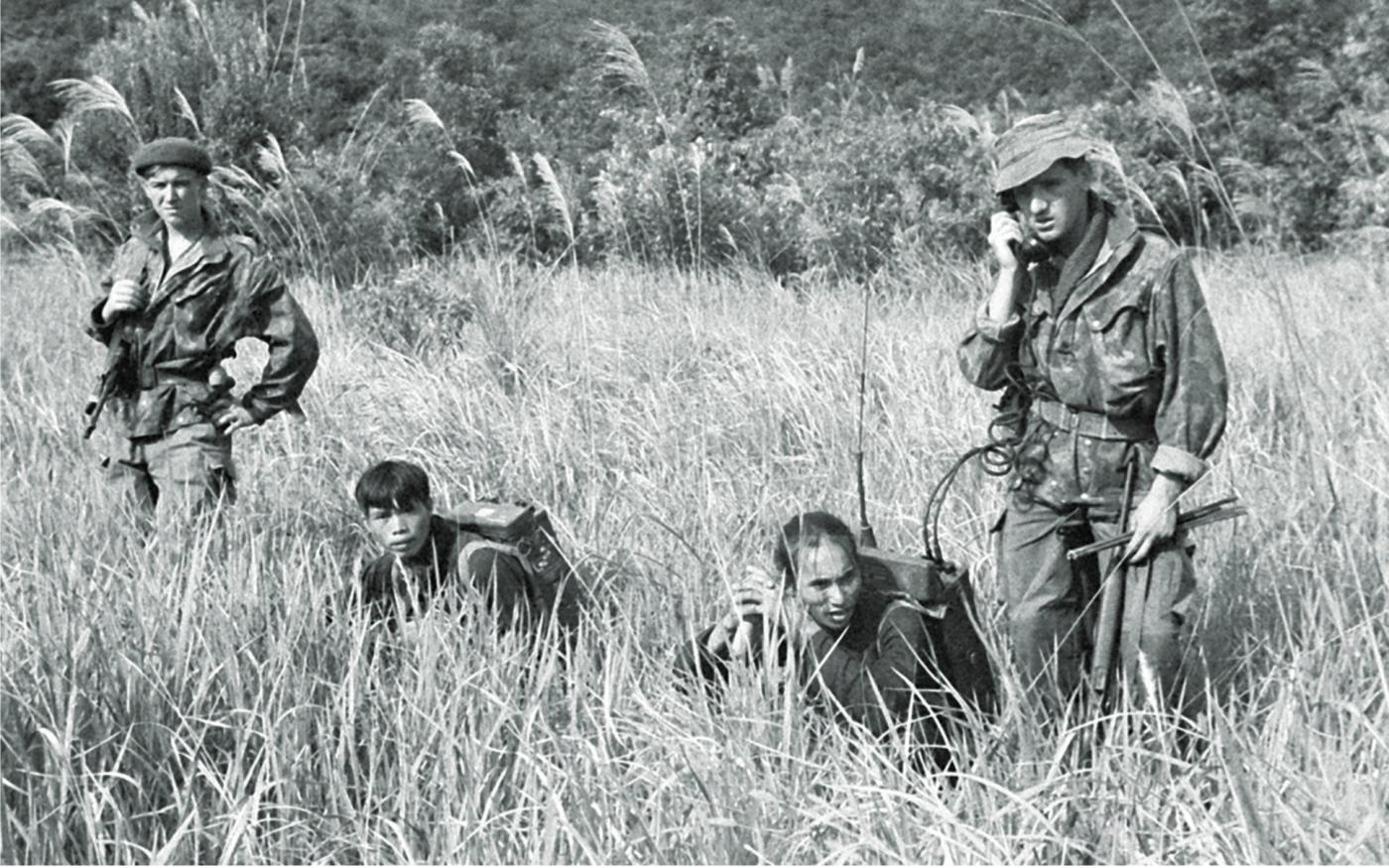
The Black River region itself posed enormous challenges. Dense vegetation, steep hills, and limited road networks meant that any withdrawal risked becoming chaotic if not tightly controlled. French colonial troops, Foreign Legionnaires, North African units, and locally raised auxiliaries formed mixed columns that moved along muddy tracks under intermittent sniper fire. Armored cars and light tanks provided mobile rearguard support, firing into treelines where Viet Minh scouts attempted to close in. Riverine craft on the Black River ferried equipment and wounded where possible, but many vehicles had to be abandoned or destroyed to prevent capture.
Despite the heavy artillery support, Viet Minh forces pressed aggressively. Their units had grown increasingly adept at dispersing under bombardment and reassembling quickly to exploit gaps. Small assault groups infiltrated through jungle paths, launching ambushes against withdrawing columns and isolated outposts. Close-quarter skirmishes erupted throughout the day, particularly at choke points where French units paused to reorganize or evacuate casualties. The fighting became especially fierce near several ford crossings, where Viet Minh elements attempted to cut off the retreat and force a stand-up engagement before the French could reach the stronger defenses of the de Lattre Line.
Casualties mounted steadily on both sides. French forces suffered significant losses among rear guard units tasked with holding positions until the last possible moment. Several companies were forced into prolonged firefights while awaiting transport or orders to fall back, and artillery observers operating near the front often remained exposed as they directed the barrage. Viet Minh casualties were also heavy due to the concentrated shelling and the willingness of French commanders to call in fire dangerously close to their own troops when threatened with encirclement. By the time the final elements crossed into the fortified zone, total casualties from the Black River skirmishes were estimated at around 5,000 combined, including killed, wounded, and missing.
The de Lattre Line itself represented a network of fortified positions, blockhouses, and strongpoints designed to anchor French control over key approaches to the Red River Delta. Constructed with interlocking fields of fire and supported by artillery and air power, the line provided a defensive depth that isolated forward regions lacked. As withdrawing units arrived, they were reorganized and reinforced, with some battered battalions reduced to half strength. Engineers worked rapidly to repair defensive works and prepare for potential follow-up attacks, while medical teams struggled to cope with the influx of wounded arriving from the Black River sector.
Air support played a secondary but notable role during the withdrawal. French aircraft conducted reconnaissance and limited strafing runs against detected Viet Minh concentrations, though weather conditions and the dense canopy often restricted visibility. Transport aircraft evacuated severely wounded personnel from improvised airstrips behind the line, while liaison planes relayed artillery corrections and situational updates between dispersed commands.
The psychological impact of the withdrawal was complex. For French troops, the successful disengagement under fire demonstrated the effectiveness of coordinated artillery and disciplined movement. Yet the need to abandon forward positions underscored the growing strength and mobility of Viet Minh forces. For the Viet Minh, the ability to inflict significant casualties and press the French into retreat provided a morale boost, even as the devastating artillery barrage exacted a heavy price.
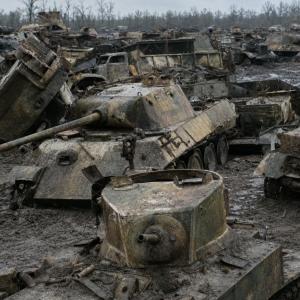
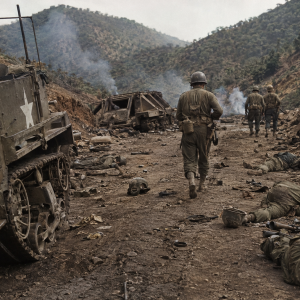
By nightfall on 26 February, the main withdrawal was complete. Sporadic firing continued along the approaches to the de Lattre Line, but the large-scale engagement had subsided. The Black River skirmishes left behind a landscape scarred by shell craters, destroyed equipment, and hastily dug graves.