Operation Tear Drop
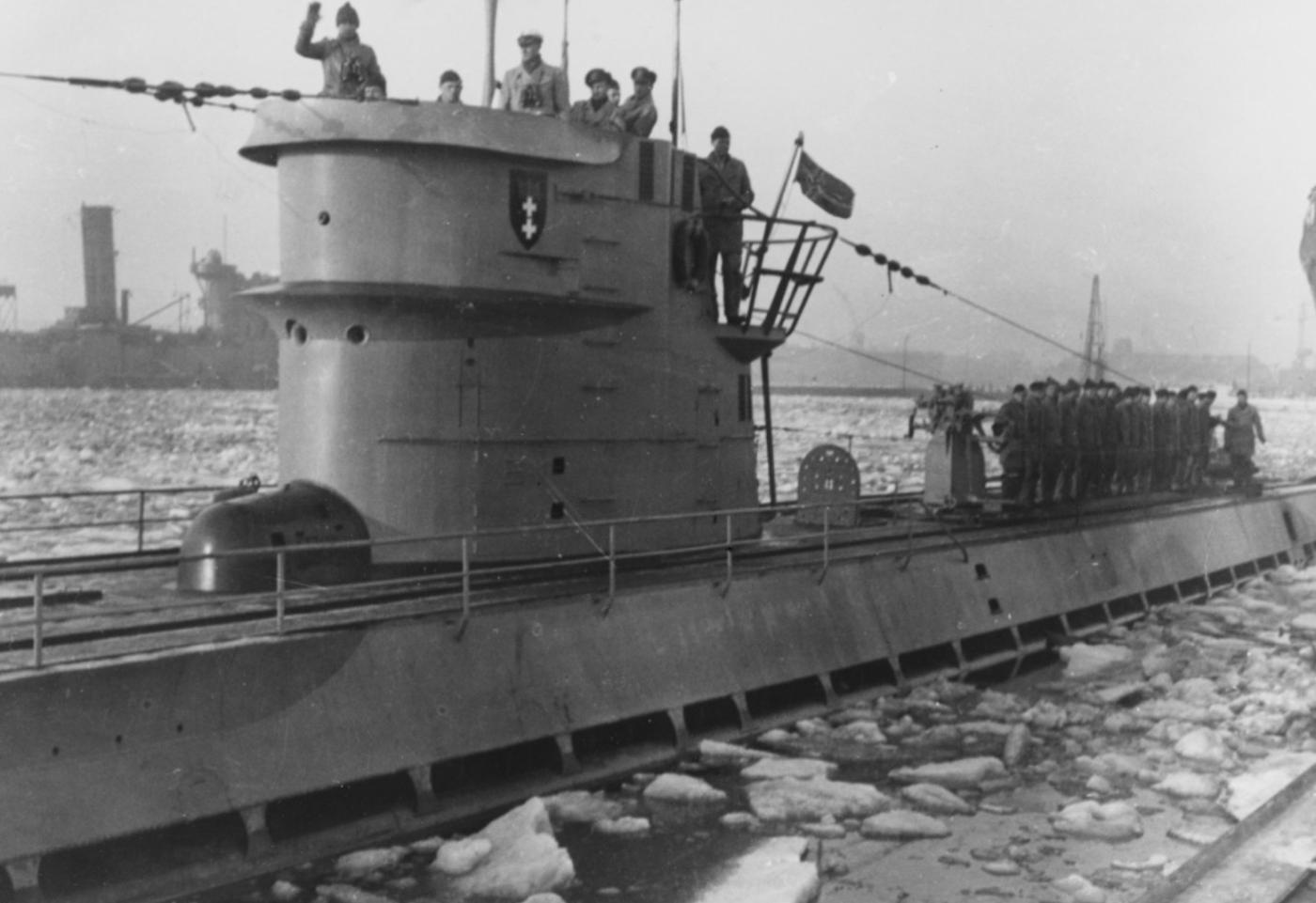
Operation Teardrop was a late–Second World War naval operation conducted by the United States in the Atlantic Ocean during the final months of the conflict in Europe. It began in April 1945 and continued into May 1945, just as Nazi Germany was approaching collapse. The operation was driven by a specific and alarming concern within American naval intelligence: reports suggested that German U-boats might be equipped with long-range missiles capable of striking the eastern seaboard of the United States. These fears were tied to Germany’s development of advanced weapons such as the V-1 flying bomb and the V-2 rocket, which had already been used against targets in Europe during the war.
The primary purpose of Operation Teardrop was therefore defensive. The United States Navy aimed to intercept and destroy any German submarines approaching North American waters before they could launch missile attacks or conduct other strategic strikes. Intelligence indicated that a group of German U-boats had departed from Norway and were heading toward the western Atlantic. These submarines were believed to be part of a last-ditch effort by Germany to carry out a retaliatory or symbolic strike against the United States mainland.
Command of the operation fell under the authority of the United States Atlantic Fleet, led by Admiral Jonas H. Ingram. Operational control at sea was carried out by several escort carrier groups, sometimes referred to as hunter-killer groups. These groups were built around escort aircraft carriers and supported by destroyers and destroyer escorts, which worked together to detect and engage submarines. The overall tactical execution involved multiple task groups, each assigned patrol areas across likely submarine transit routes in the North Atlantic.
The operation involved two main task forces composed of escort carriers such as USS Bogue and USS Croatan, along with their accompanying destroyer screens. Aircraft launched from these carriers played a crucial role in locating submarines using radar and visual reconnaissance, while surface ships used sonar to track underwater contacts. Once a U-boat was detected, coordinated attacks using depth charges and hedgehog anti-submarine weapons were carried out.
During Operation Teardrop, several German submarines were successfully intercepted and destroyed. Among them were U-546 and U-805. The sinking of U-546 was particularly notable because it resulted in the capture of survivors, including the submarine’s captain. Interrogation of these prisoners provided valuable intelligence, confirming that the feared missile threat was not actually present. The Germans had not deployed operational missile-equipped submarines capable of striking the United States, and the intelligence that had prompted the operation turned out to be exaggerated or misinterpreted.
Despite the absence of the anticipated missile threat, the operation was not without cost. The American destroyer escort USS Frederick C. Davis was torpedoed and sunk by U-546, resulting in significant loss of life. This incident underscored the continued danger posed by German U-boats even in the final weeks of the war.
One interesting aspect of Operation Teardrop is how it reflects the level of anxiety within Allied command about German technological innovation late in the war. The possibility of submarine-launched missiles targeting American cities captured public and military attention, even though it ultimately proved unfounded. It also demonstrated the effectiveness of coordinated anti-submarine warfare techniques developed by the United States Navy over the course of the war, which by 1945 had become highly sophisticated.
Another noteworthy detail is that the operation continued even after Germany’s surrender on 8 May 1945. Some U-boats at sea had not yet received or acknowledged the surrender orders, and Allied forces remained vigilant until all threats were accounted for. Several submarines surrendered at sea or in Allied ports shortly after the operation concluded.