Operation Clarion
Operation Clarion was a large-scale Allied strategic air operation carried out over two days beginning on 22 February 1945 and continuing into 23 February. It was conceived as a concentrated effort to cripple Germany’s remaining transportation and communications network in the final months of the Second World War, when Allied armies were already advancing toward the Rhine and into western Germany. The aim was not primarily to destroy individual cities but to paralyse the German ability to move troops, fuel, ammunition and supplies by striking railways, bridges, canals, marshalling yards and road junctions across the length and breadth of the shrinking Reich.
The operation was directed by the Allied strategic air command structure in Europe. Overall responsibility for American participation lay with the United States Strategic Air Forces in Europe under Lieutenant General Carl Spaatz. British participation was organised through RAF Bomber Command, led by Air Chief Marshal Arthur Harris. Tactical air forces attached to Allied army groups also played a major role, particularly the U.S. Ninth Air Force and the RAF Second Tactical Air Force, which were tasked with low-level and medium-level strikes against transportation targets that heavy bombers might miss. The combined effort reflected the mature stage of Allied air coordination by early 1945, when strategic and tactical air power could be used in a unified, theatre-wide plan.
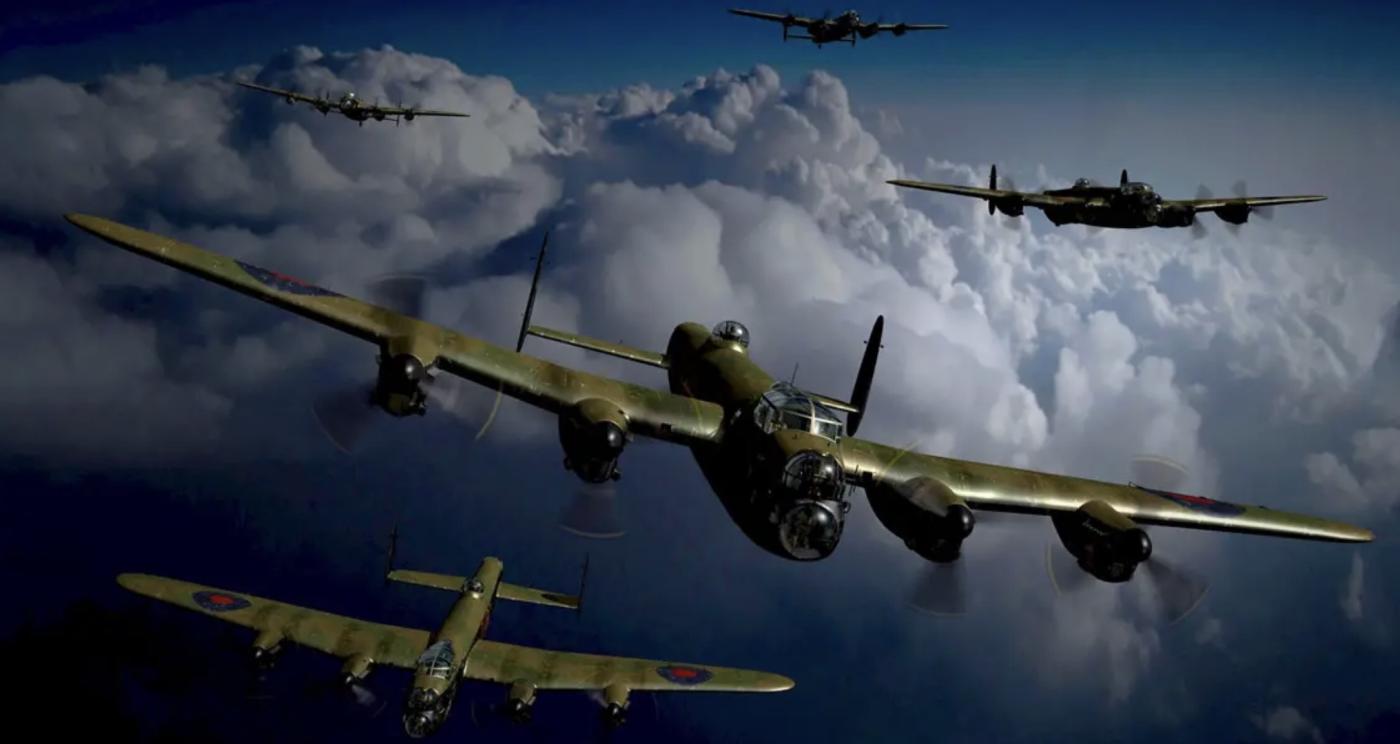
The scale of the operation was immense. More than 9,000 Allied aircraft sorties were flown over the two days. American heavy bombers from the Eighth Air Force and Fifteenth Air Force attacked from high altitude, while medium bombers and fighter-bombers struck from lower levels. RAF Bomber Command, which had traditionally focused on night bombing of cities, participated with daylight and night attacks on transport centres and rail infrastructure. Fighter aircraft also strafed locomotives, trucks and river traffic wherever targets of opportunity appeared. Virtually every available type of Allied combat aircraft in the European theatre took part, from heavy four-engine bombers such as B-17 Flying Fortresses and B-24 Liberators to medium bombers like B-26 Marauders and fast fighter-bombers including P-47 Thunderbolts and Typhoons.
Targets were spread across Germany and German-held territory. Railway marshalling yards were a primary objective because they served as hubs for moving military units and supplies. Important rail centres in cities such as Berlin, Leipzig, Dresden, Cologne, Hanover, Nuremberg and Munich were attacked, along with smaller junctions that had previously escaped heavy bombing. Bridges over the Rhine, Main, Danube and other rivers were struck in order to cut east-west and north-south supply routes. Canal systems, including sections of the Mittelland Canal and Dortmund-Ems Canal, were also bombed to disrupt barge traffic that had become increasingly important as rail transport suffered. Road junctions and vehicle depots were attacked by fighter-bombers operating at low altitude, which also targeted moving trains and convoys.
American heavy bombers focused on major rail complexes, large bridges and industrial transport hubs. RAF Bomber Command contributed by attacking rail yards, communication centres and associated industrial targets during both night and daylight operations. Tactical air forces conducted relentless sweeps over transport routes, attacking locomotives, trucks and river craft. In some areas the bombing was highly concentrated, leaving rail yards and stations in ruins, while in others repeated fighter-bomber attacks severed tracks and destroyed rolling stock. The intention was to create simultaneous disruption across the entire German transport system so that repairs in one area would be futile while destruction continued elsewhere.
German air defences attempted to respond but were far weaker than earlier in the war. Fuel shortages, pilot losses and the overwhelming scale of Allied air power limited the effectiveness of the Luftwaffe. Anti-aircraft fire remained dangerous, and some Allied aircraft were lost, but German fighters could not mount a sustained defence over the wide area attacked. As a result, Allied losses were relatively light compared with the number of sorties flown and the scale of destruction inflicted.
The immediate effect of the operation was widespread disruption to German transportation. Rail traffic across much of Germany was halted or severely delayed. Many marshalling yards were left unusable, bridges collapsed, and repair crews struggled to cope with simultaneous damage across multiple regions. The operation also had a psychological effect, demonstrating that no part of Germany’s remaining infrastructure was beyond Allied reach. German military authorities reported major difficulties moving reinforcements and supplies to threatened fronts, particularly as the Western Allies prepared to cross the Rhine and the Soviet advance continued from the east.
Operation Clarion was generally regarded by Allied planners as a success. While it did not permanently eliminate German transport capability, it achieved its principal aim of causing short-term paralysis at a critical moment in the war. The widespread and simultaneous nature of the attacks meant that German repair and recovery systems were overwhelmed, and transport disruptions compounded the logistical crisis already facing the German armed forces. By late February 1945, Germany’s ability to coordinate large-scale troop movements and supply operations had been significantly weakened, contributing to the rapid Allied advances that followed in the final months of the war.