On this day in military history…22nd February
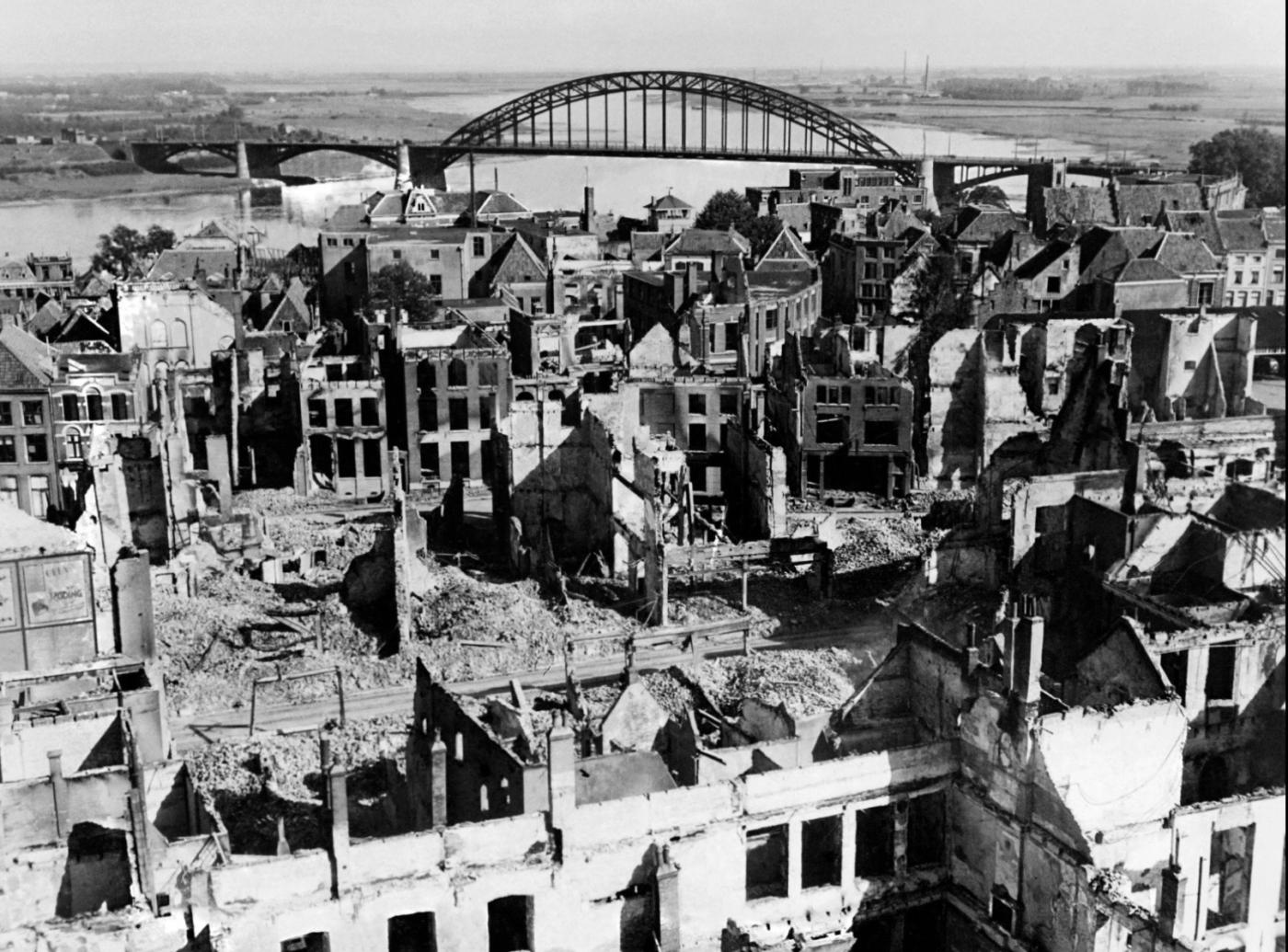
On 22 February 1944 a large formation of United States Army Air Forces heavy bombers mistakenly attacked several towns in the German-occupied Netherlands and Belgium, causing one of the worst friendly-fire disasters in Western Europe during the Second World War. The most devastating strike fell on Nijmegen, where around 800 civilians were killed and the historic centre was largely destroyed. The tragedy occurred during a major Eighth Air Force mission launched from eastern England against targets inside Germany, and it unfolded through a combination of bad weather, navigational confusion and operational doctrine that allowed crews to bomb alternative targets if their primary objectives could not be reached.
The mission was part of the American strategic bombing campaign designed to cripple German aircraft production and transportation networks. Hundreds of heavy bombers took off from bases across East Anglia that morning. These included B-17 Flying Fortress aircraft from groups such as the 446th Bomb Group based at RAF Bungay, the 453rd Bomb Group at RAF Old Buckenham, and other units within the 41st Combat Bombardment Wing. B-24 Liberators from additional bomb groups also took part. Overall command of the Eighth Air Force rested with Lieutenant General James H. Doolittle, though once airborne each bomber division and group operated under its own commanders and formation leaders.
The intended targets for the day included aircraft production facilities and industrial centres deep inside Germany. As the bomber streams crossed the North Sea and moved over the continent, they encountered extensive cloud cover and icing conditions. Over Germany the weather proved far worse than forecast, obscuring primary targets such as Gotha and other industrial cities. With visibility poor and German defences active, many formations were unable to identify their assigned objectives. Standing orders allowed bombardiers to attack secondary targets of opportunity rather than return to England with unused bomb loads. Railway junctions, marshalling yards and industrial areas were considered acceptable alternatives because they supported the German war effort.
Navigation in 1944 depended heavily on visual landmarks, dead reckoning and relatively basic radio aids. Radar bombing equipment existed but was not universally fitted or always reliable. In the confusion of cloud layers and contrails, several formations became separated from their navigational leads. Once this happened, navigators and bombardiers had to rely on what they could see through breaks in the cloud. The Dutch-German border region contained many towns whose rivers, rail yards and industrial districts closely resembled legitimate German targets when viewed from high altitude. From several thousand feet in winter haze, distinguishing between occupied Allied territory and Germany could be extremely difficult.
Shortly after early afternoon one formation of B-17s approached the Netherlands believing it was still over Germany. Some crews thought they had reached the German city of Kleve or another transport hub near the border. Others were uncertain but followed the lead aircraft. In heavy bomber operations, strict formation discipline was essential for mutual defence and bombing accuracy. Once the lead bombardier released his bombs, the rest of the formation usually followed within seconds to maintain spacing and avoid collisions with falling ordnance. That procedure meant a single mistaken identification could result in an entire group attacking the wrong location.
High-explosive and incendiary bombs fell across the centre of Nijmegen, striking the railway station, market square and crowded shopping streets. Fires spread rapidly through medieval buildings and densely packed housing. With the Netherlands under German occupation, the population had limited warning systems and few substantial shelters. By the time the raid ended, hundreds lay dead and much of the commercial heart of the city was in ruins. Thousands more were injured or left homeless.
Other towns suffered that same day. Bombs fell on Arnhem, Enschede and Deventer in the Netherlands, while in Belgium strikes hit Antwerp and surrounding areas. Enschede endured particularly heavy casualties when American bombers, some flying B-24 Liberators, mistook it for a German industrial target and bombed the centre, killing around 150 people. Arnhem’s railway yards and nearby neighbourhoods were damaged, and smaller but deadly attacks occurred in several other locations. Altogether, more than a thousand civilians in the Netherlands and Belgium died as a result of the misdirected bombing on 22 February.
The aircraft involved had flown from numerous Eighth Air Force bases in England, mainly in Norfolk and Suffolk. After crossing the North Sea they assembled into large combat boxes before heading toward Germany. Once the primary targets were obscured and formations began to break up, communication between groups became limited. Without modern navigation systems or satellite positioning, crews had to interpret what they saw beneath them and make rapid decisions. Pressure to strike some form of target, combined with fuel considerations and the dangers of landing with a full bomb load, reinforced the tendency to release bombs once a plausible objective appeared.
In the aftermath, the United States Army Air Forces carried out internal reviews. No single crew or commander was singled out for blame, but the events highlighted the risks inherent in visual bombing over Europe’s densely populated regions. Greater emphasis was placed on positive target identification, and the use of radar bombing aids such as H2X became more widespread. Pathfinder aircraft equipped with improved navigation equipment were increasingly used to mark genuine targets. Crews were also more strongly reminded of the need to avoid bombing occupied Allied territory unless absolutely certain of their location.
As the war progressed, advances in radar, radio navigation and target-marking techniques reduced the frequency of such large-scale errors, though accidental bombings did not vanish entirely. The February 1944 disaster nevertheless remained one of the most severe examples. During the war German authorities exploited the destruction for propaganda purposes, initially blaming the Allies without acknowledging that the aircraft had struck in error while aiming for German targets. After liberation, investigations and historical research clarified the circumstances and responsibility.
Today the events of 22 February 1944 are commemorated annually in the affected Dutch cities, particularly in Nijmegen where memorials and ceremonies honour the hundreds of civilians who died.