Markale Bombing
On Saturday 5 February 1994, in the middle of the siege of Sarajevo, a single mortar shell struck the Markale open-air market in the city centre shortly after midday. The siege had already lasted nearly two years, and daily life in the city revolved around brief, dangerous moments when civilians ventured out to find food, water, or firewood. Markale was one of the few functioning markets, and around noon the area was crowded with people buying and exchanging basic supplies. When the shell landed, it exploded among the stalls and shoppers, killing 68 people outright and injuring approximately 144 others, making it one of the deadliest single attacks on civilians during the entire Bosnian War.
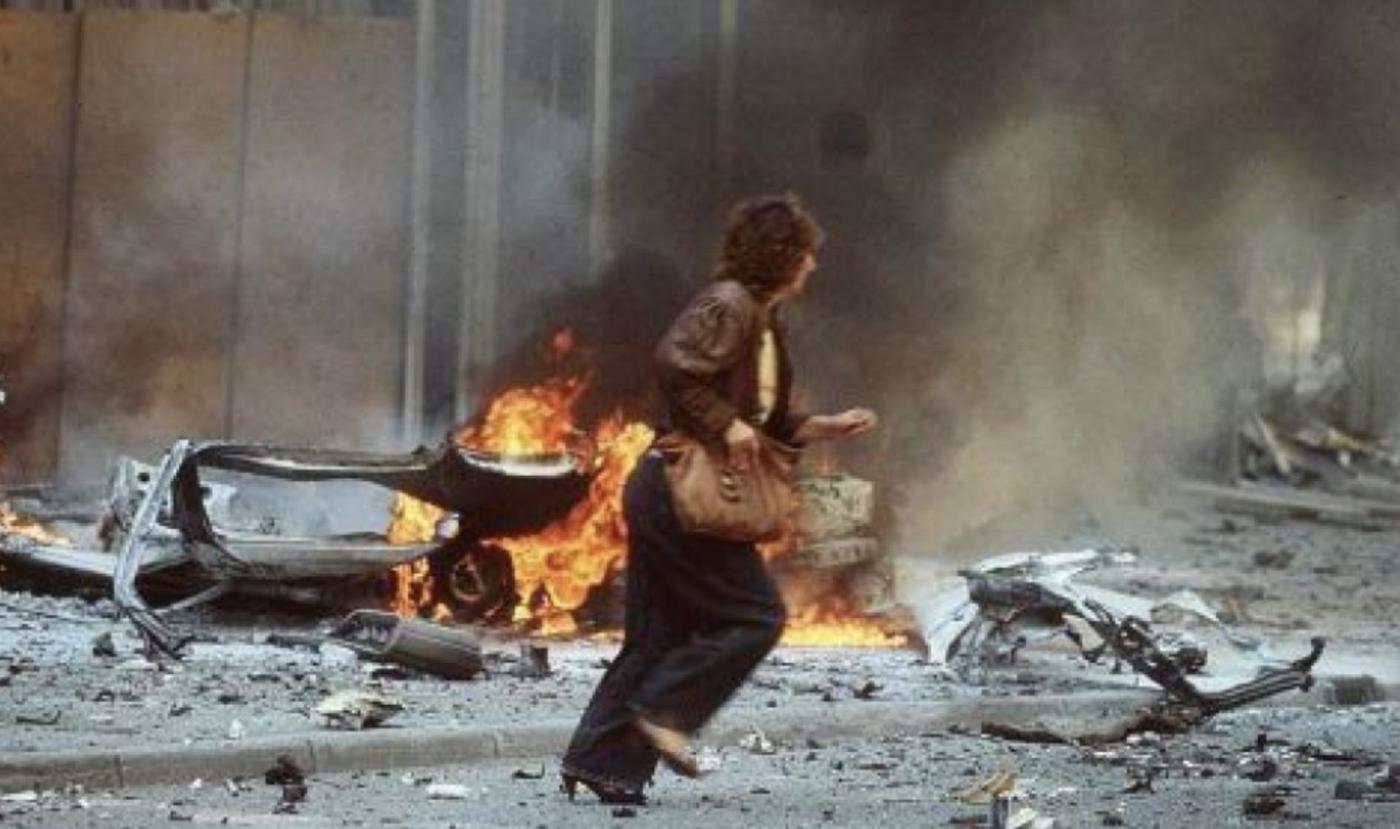
The attack was not a prolonged bombardment but consisted of a single 120-millimetre mortar round. The timing was crucial: the shell struck at the busiest part of the day, when the market was densely packed. Witnesses described a sudden, deafening explosion followed by silence, screaming, and confusion. Bodies and body parts were scattered across the market, mixed with destroyed produce, broken wooden stalls, and debris. Survivors and bystanders immediately tried to help the wounded, carrying them away on doors, carts, and makeshift stretchers. Ambulances and private cars rushed victims to hospitals that were already overwhelmed and suffering from severe shortages of medical supplies due to the siege.
In the hours following the attack, international observers, United Nations personnel, and local authorities investigated the scene and nearby hospitals. While casualty figures varied slightly in early reports because some victims died later from their injuries, the commonly accepted toll settled at 68 killed and around 144 wounded. Many of the injured suffered severe shrapnel wounds, amputations, burns, and permanent disabilities, reflecting the power of a high-explosive mortar detonating in a confined urban space.
Responsibility for the attack was immediately disputed. Bosnian Serb political and military authorities denied involvement and claimed that Bosnian government forces had fired on their own civilians to provoke international intervention. However, detailed investigations and later judicial proceedings concluded that the mortar round was fired from positions held by Bosnian Serb forces surrounding Sarajevo. The city sits in a valley encircled by hills and ridges, which during the war were controlled by Bosnian Serb units and used for artillery and mortar fire. A 120-millimetre mortar is capable of indirect fire, meaning it can be launched from concealed positions without direct line of sight, using pre-calculated coordinates. Evidence showed that such weapons had been repeatedly used against civilian areas in Sarajevo, and the market itself had been shelled on earlier occasions.
The Markale massacre had major political consequences. Images and reports of the carnage spread rapidly around the world, intensifying international outrage and pressure on Western governments and the United Nations to act more decisively. The attack became a turning point in the conflict, contributing to stronger NATO involvement and ultimatums aimed at limiting heavy weapons around Sarajevo. Although the war continued for more than a year after the massacre, Markale marked a moment when international tolerance for the siege began to erode.
The event also became a lasting symbol of the suffering of Sarajevo’s civilians and of the information war that accompanied the physical one. Denials, counter-accusations, and conspiracy theories continued for years, despite court rulings that established responsibility. In Sarajevo today, the market remains an ordinary place of daily commerce, but it is also a site of memory. Nearby pavement scars from shell impacts, sometimes filled with red resin and known as “Sarajevo roses,” serve as quiet reminders of where people were killed. The Markale bombing stands as a stark example of how, during the Bosnian War, everyday civilian spaces became deliberate targets, and how a single, precisely timed weapon could devastate a community already living under siege.