M-60 Machine Gun
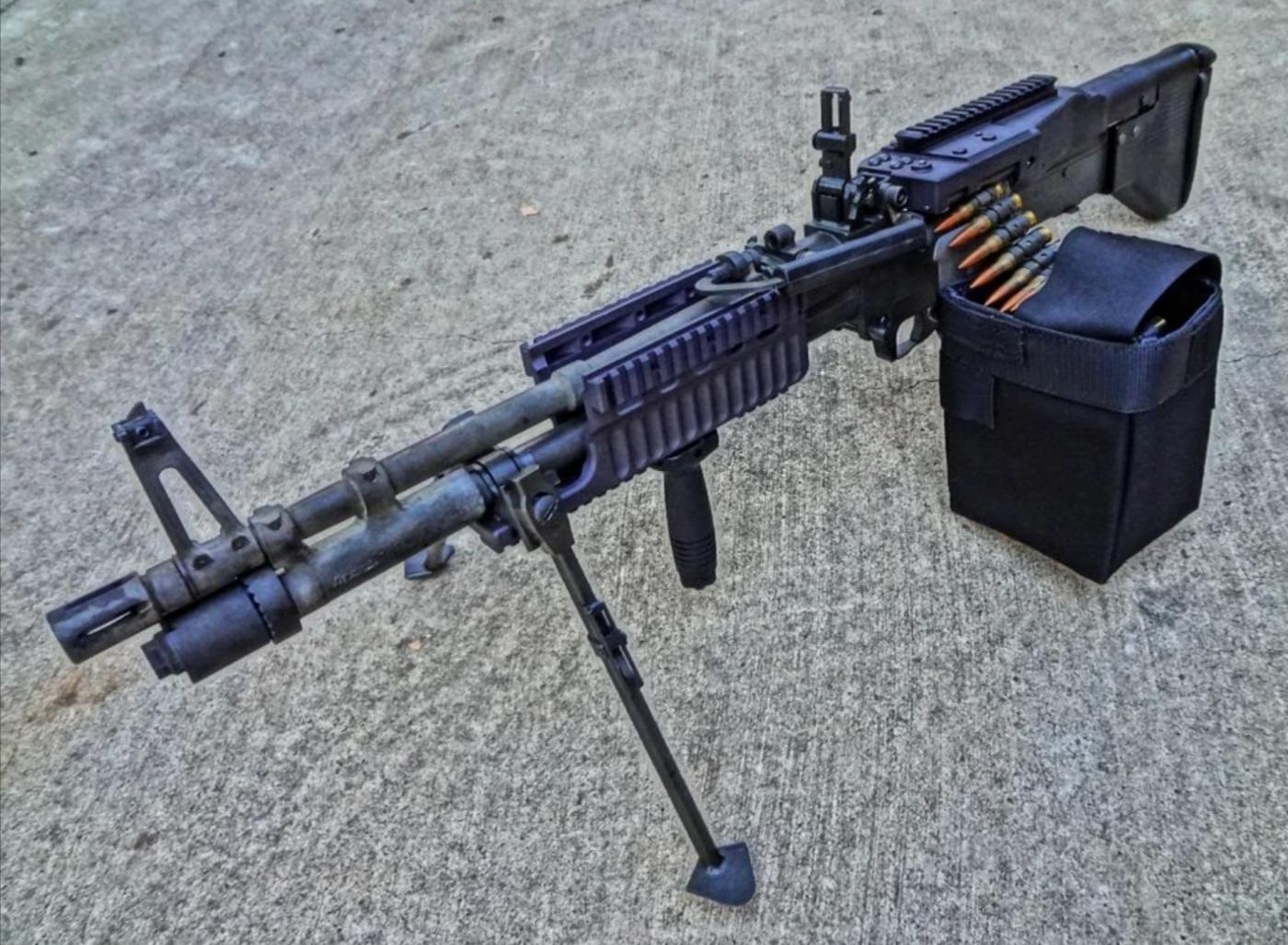
The American M60 machine gun is a 7.62×51mm NATO general-purpose weapon that became one of the most recognizable U.S. infantry arms of the twentieth century. It was intended to replace older, heavier machine guns with a single system that could be carried by infantry, fired from a bipod, mounted on a tripod for sustained fire, or installed on vehicles, boats, and helicopters. The design is belt-fed, gas-operated, air-cooled, and fires from an open bolt, which helps reduce overheating during prolonged firing.
Development began in the late 1940s and early 1950s as part of a U.S. Army effort to modernize its machine guns after World War II. Rather than being the creation of one individual, the weapon emerged from a long government and industry program centered around Springfield Armory. Designers studied and adapted ideas from German weapons encountered at the end of the war, particularly the FG 42 and the MG 42, blending those concepts into a lighter American general-purpose gun. Firearms designer Robert Hillberg is often associated with the project in historical accounts, but it was very much the result of a team effort rather than a single inventor.
Manufacturing took place over many years and under several companies. Early production was linked to Springfield Armory, with later large-scale manufacturing handled by Saco-Lowell and Saco Defense under different corporate owners. In later decades, rebuilt and improved versions were produced by U.S. Ordnance. Because production stretched across many years and included new manufacture, rebuilds, and upgrades, there is no single precise public figure for how many were made. What is clear is that many tens of thousands were produced for U.S. forces and allied nations, and large numbers remained in service for a long time.
This machine gun fires the 7.62×51mm NATO cartridge from disintegrating metal link belts. These belts were commonly carried in 100-round bandoleers or larger ammunition boxes holding 200 or 250 rounds. It could use standard military 7.62mm ammunition, including ball rounds for general use, tracer rounds to help gunners observe and adjust fire, and armor-piercing rounds for targets requiring penetration. Muzzle velocity is roughly 2,800 feet per second, giving it strong range and stopping power.
Its rate of fire is moderate compared with some other machine guns, usually around 500 to 600 rounds per minute. This steady pace made the weapon easier to control and helped conserve ammunition. In real use, gunners were trained to fire short, controlled bursts rather than long continuous streams, which improved accuracy and reduced wear.
Accuracy is best understood in terms of effective fire rather than pinpoint precision. From a bipod it could deliver accurate suppressive fire at several hundred meters, and from a tripod it was effective at much longer distances, often cited at over 1,000 meters against area targets. When properly set up and maintained, it produced reliable beaten zones and was very effective at controlling terrain.
Reliability is where it gained a mixed reputation. When clean and well maintained, performance could be excellent. In harsh environments and after heavy use, however, problems sometimes appeared. The design was known to be sensitive to dirt and wear, and some components could wear faster than expected. One of the most serious issues reported in service was the possibility of a “runaway gun,” where worn parts could cause continued firing after the trigger was released. These concerns eventually pushed the U.S. military to look for more durable alternatives, even though many soldiers still respected its firepower.
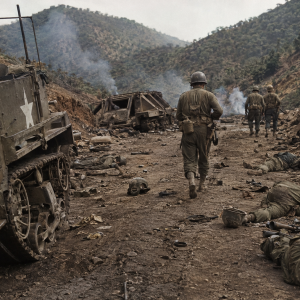
The weapon is most strongly associated with the Vietnam War, where it became the standard U.S. infantry machine gun and an enduring symbol of American ground combat during that conflict. Soldiers relied heavily on it for base-of-fire roles, patrols, and defensive positions, even though its weight and maintenance demands were often criticized. After Vietnam, it continued to see use in later conflicts, particularly in vehicle mounts, naval roles, and aircraft door-gun positions, before being gradually replaced in frontline infantry units by newer systems.
One interesting aspect of its history is how widely it was adapted. Beyond the standard infantry version, it appeared on helicopters, river patrol boats, armored vehicles, and fixed defensive positions. Numerous variants were produced in attempts to improve reliability, reduce weight, and simplify maintenance, with later versions performing far better than the early models.
This machine gun remains iconic not because it was flawless, but because it represented a major attempt to give soldiers a single, powerful weapon for almost every role. Its strengths, weaknesses, and long service life have ensured its place as one of the most talked-about American small arms of its era.