Luftwaffe pilot Helmut Schengen
Helmut Schenk was born in Vienna, Austria, in the years following the First World War. He grew up in a city still reeling from the collapse of the Austro-Hungarian Empire, where economic hardship and political uncertainty shaped everyday life. As a youngster, he was raised in an environment that valued technical skill and discipline as routes to stability. Vienna’s strong engineering and industrial culture exposed him early to machinery, mechanics, and applied science, all of which left a lasting impression on him.
From a young age, Schenk showed a fascination with aviation. Despite postwar restrictions on military flying, gliding and civilian aviation flourished as sporting and educational pursuits. As a boy and teenager, he spent time around workshops, airfields, and flying clubs, learning the basics of aerodynamics and aircraft handling. These activities encouraged patience, precision, and calm decision-making, qualities that later defined his professional flying career.
During the 1930s, as Germany expanded its military forces, Schenk’s background made him a natural candidate for aviation service. After the establishment of the Luftwaffe, he entered formal flight training. The program was demanding and dangerous, with high accident rates, but Schenk proved adaptable and technically minded. He qualified as a military pilot and was posted to operational units before the outbreak of the Second World War.
At the start of the war, Schenk served as a front-line pilot, flying routine patrols, escort missions, and interceptions. His career developed steadily rather than spectacularly. He was valued for reliability, composure, and technical understanding rather than for publicity or high victory claims. As the conflict intensified and aircraft performance rapidly evolved, pilots with strong mechanical awareness were increasingly sought after for specialized roles.
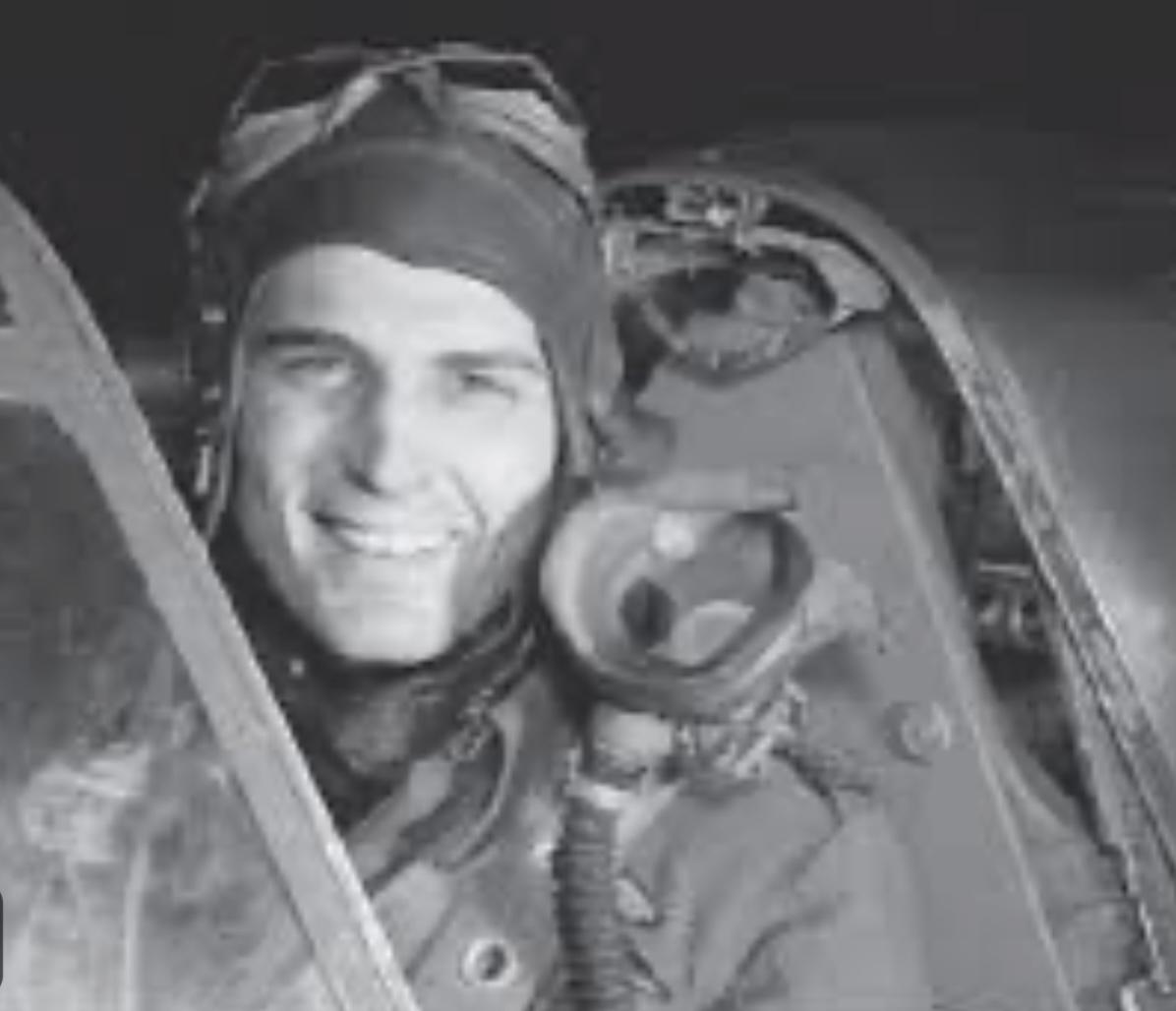
By the later stages of the war, Schenk’s experience and technical aptitude led to his involvement in the testing and evaluation of new aircraft types. The Luftwaffe was introducing revolutionary jet-powered fighters in an effort to counter Allied air superiority, and experienced pilots were needed to assess their handling characteristics, performance limits, and operational problems. Schenk was selected to fly and evaluate early jet aircraft, including developmental versions of Germany’s first operational jet fighters.
Test flying these aircraft was extremely hazardous. Early jet engines were unreliable, aircraft systems were still experimental, and pilots often flew without fully understanding the machines beneath them. Schenk’s work required exceptional calm and precision, as he reported on flight behavior, engine response, and structural stresses. His role contributed to refining procedures and improving safety for operational pilots, even as Germany’s overall situation deteriorated.
Despite the dangers, Schenk survived this period of experimental flying and continued to serve until the final collapse of the Third Reich in 1945. Following Germany’s defeat, he was taken prisoner of war and held for a period before being released during the Allied demobilization process.
After the war, Schenk returned to civilian life in a devastated Europe. Former Luftwaffe pilots were barred from flying, and many faced suspicion and limited opportunities. Drawing on his technical skills and disciplined approach, he transitioned into civilian employment, likely within industrial or engineering-related fields. He avoided public attention and did not seek recognition for his wartime service or test pilot work.