Lee Marvin
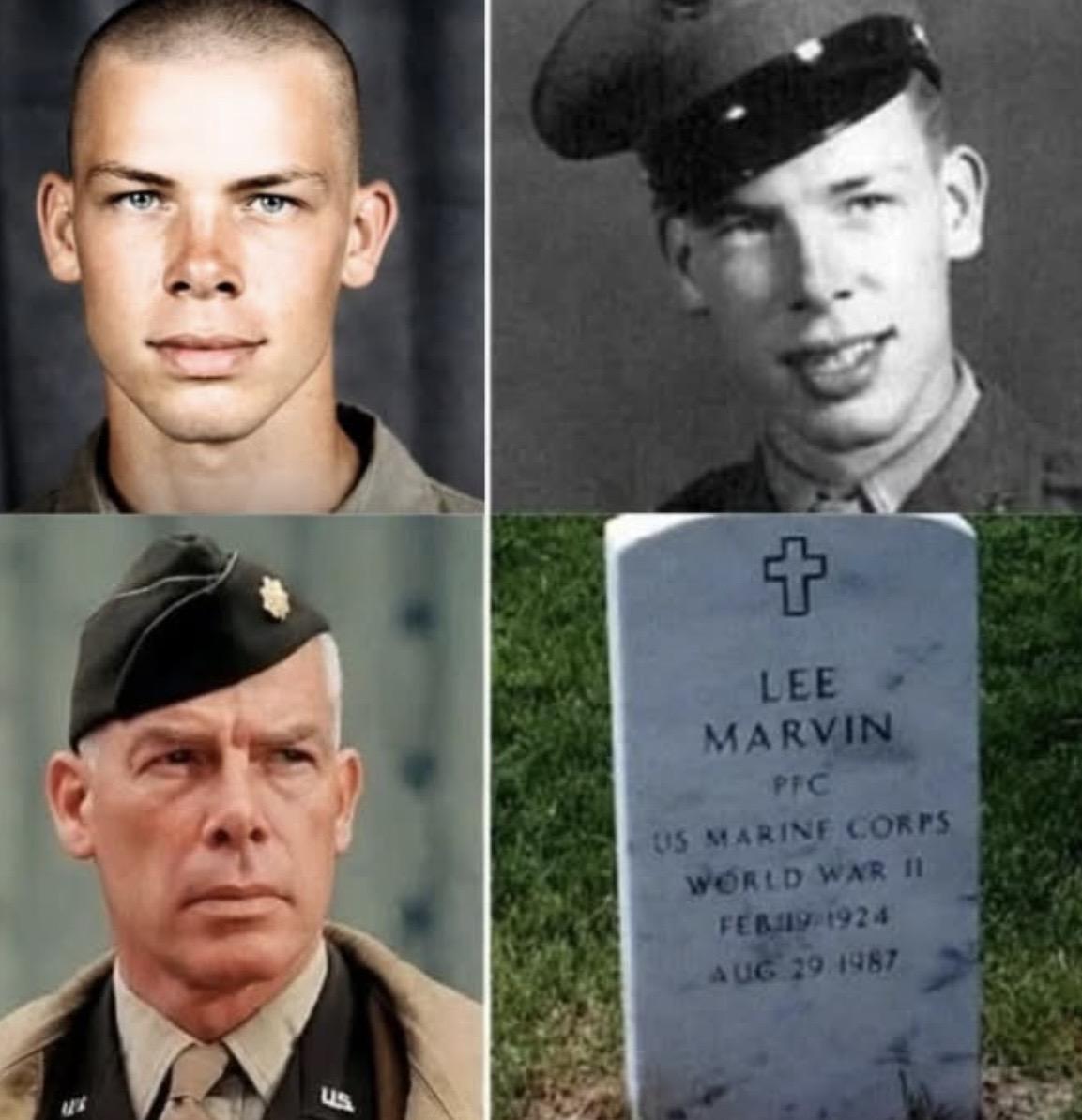
Lee Marvin was born on February 19, 1924, in New York City, the son of Lamont Waltman Marvin, an advertising executive and World War I veteran, and Courtenay Washington Davidge, a fashion writer and beauty consultant. Although born in Manhattan, he spent much of his youth in rural Connecticut, where he developed a love for the outdoors, hunting, and physical activity. Marvin had a difficult time in school and was expelled from several private institutions for misbehavior and poor academic performance. He was restless, rebellious, and far more interested in adventure than academics. By the time the United States was fully engaged in World War II, the eighteen-year-old Marvin left school and enlisted in the United States Marine Corps in 1942.
Marvin served with the 24th Marines, 4th Marine Division, in the Pacific Theater. He participated in several major amphibious assaults, including operations in the Marshall Islands and the Mariana Islands. His most significant combat experience came during the Battle of Saipan in June 1944. In the midst of intense fighting, Marvin was seriously wounded by machine-gun fire while advancing with his unit. The injuries required lengthy hospitalization and ended his frontline service. For wounds received in action, he was awarded the Purple Heart. Marvin later spoke candidly about the fear and confusion of combat, rejecting romantic notions of war and emphasizing instead the randomness and brutality he had witnessed. His time in the Marines left a lasting impression on his character, instilling discipline, resilience, and a blunt realism that would later define both his personality and his screen presence.
After his medical discharge in 1945, Marvin returned to civilian life unsure of his direction. He worked various manual jobs, including plumbing assistant and lifeguard, before becoming involved almost accidentally with a small theater group in upstate New York. Asked to fill in for an ill actor during rehearsals, he discovered he had a natural stage presence. That experience led him to pursue acting more seriously in New York City, where he found steady work in television and film during the early 1950s.
Over the next three decades, Marvin became known for portraying hardened soldiers, criminals, and antiheroes in films such as The Big Heat, The Dirty Dozen, and Point Blank. His performance in Cat Ballou earned him the Academy Award for Best Actor, demonstrating unexpected comedic skill alongside his trademark toughness. His rugged features and authentic understanding of violence and authority gave his performances unusual credibility, and he became one of Hollywood’s defining tough-guy actors of the 1960s and 1970s.
Lee Marvin died of a heart attack on August 29, 1987, at the age of sixty-three. In recognition of his military service, he was buried with full honors at Arlington National Cemetery, a final tribute to the Marine whose wartime experiences shaped both his life and his enduring screen legacy.