On this day in military history…
On 28 February 1915, in the frozen darkness near the village of St. Eloi south of Ypres in Ypres, Canadian soldiers carried out what is widely recognized as the first deliberate trench raid by British Empire forces during the First World War. The men who undertook this dangerous experiment belonged to Princess Patricia's Canadian Light Infantry, part of the newly arrived Canadian Expeditionary Force. Their action that night marked the beginning of a brutal style of warfare that Canadians would come to master and for which they would earn a formidable reputation across the Western Front.
By early 1915, trench warfare had settled into a deadly stalemate. Opposing lines stretched across Belgium and France, separated by the blasted wasteland of No Man’s Land. Patrols occasionally clashed, but there had been no organized effort to deliberately enter enemy trenches, inflict damage, and withdraw before a counterattack could be mounted. The idea emerged from officers at the battalion level who understood that passivity in the trenches eroded morale and ceded initiative to the enemy. Among the early advocates of more aggressive action was Lieutenant-Colonel Victor Odlum of the 7th Battalion, who later refined and expanded trench-raiding tactics, but the first step came from the forward-thinking leadership within the Canadian brigades holding the Ypres salient.
The objective of the February 28 raid was simple but daring: cross No Man’s Land under cover of darkness, surprise the German defenders, destroy a section of their trench, and withdraw before reinforcements could respond. Around one hundred Canadian soldiers volunteered. Volunteers were essential because trench raiding demanded nerve, physical fitness, and a willingness to fight at extremely close quarters. These were not large-scale assaults supported by massive artillery barrages; they were swift, violent incursions carried out by small groups who relied on stealth and shock.
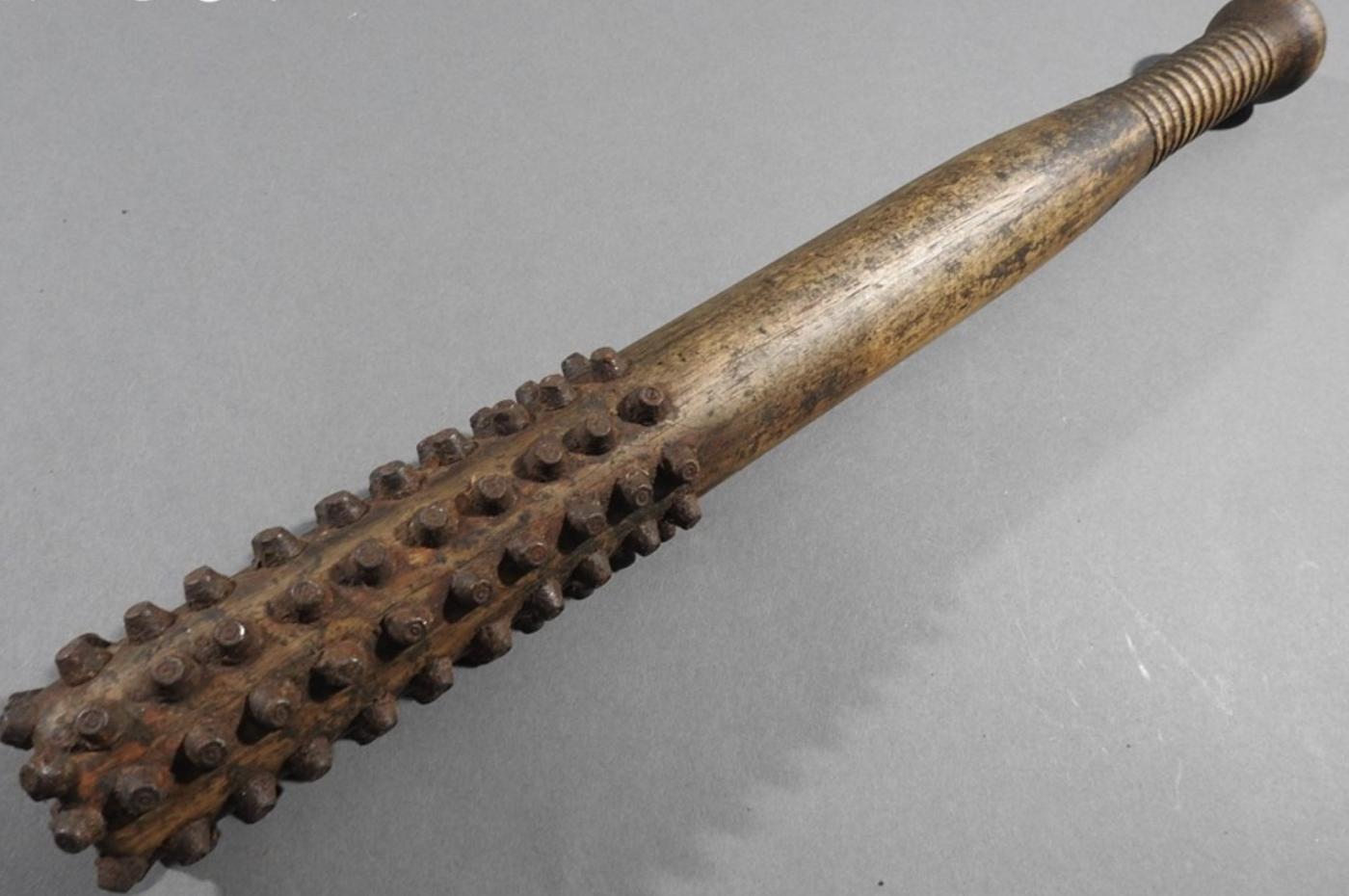
The weapons chosen reflected the savage intimacy of trench fighting. Rifles with fixed bayonets were still carried, but they were often too long and unwieldy for tight trench corridors. Hand grenades, then commonly called bombs, became one of the primary tools of the raider. They could be thrown around corners, into dugouts, or along communication trenches to clear defenders quickly. Light machine guns such as the Lewis gun provided mobile automatic fire to suppress resistance and cover withdrawal. Many raiders also carried pistols, trench knives, and improvised clubs studded with nails or metal. Silence was vital in the approach, and cold steel was often preferred to gunfire until the alarm was raised.
On that first night at St. Eloi, the Canadians slipped across No Man’s Land and crashed into the German front trench. In a matter of minutes they destroyed roughly thirty yards of enemy trench works before pulling back. The raid cost them several killed and wounded, but its psychological impact was significant. It demonstrated that the deadlock of trench warfare could be disrupted. The enemy could be struck unexpectedly in what they assumed was relative safety. The raid also boosted Canadian morale, proving that aggressive action could seize the initiative even in static conditions.
As 1915 progressed, Canadian units developed trench raiding into a deliberate system. Training became more specialized. Raiding parties were carefully organized into bombers, riflemen, wire-cutters, and covering sections. Artillery support grew more sophisticated, sometimes providing short, sharp bombardments to mask the raiders’ approach or protect their withdrawal. Intelligence gathering became a central purpose. Capturing prisoners for interrogation yielded information about enemy strength, unit rotations, defensive improvements, and morale.
Under leaders like Victor Odlum and other battalion commanders, the Canadians refined techniques that balanced speed, coordination, and violence. Raids were often rehearsed behind the lines using mock trench systems. Timing was critical; watches were synchronized, and every man knew his role. The emphasis on discipline and preparation reduced casualties and increased effectiveness. By late 1915 and into 1916, Canadian trench raids were frequent and often highly successful.
The strategic purpose of these operations went beyond immediate destruction. Raids forced German troops to remain constantly alert, undermining their rest and confidence. They compelled the enemy to divert manpower to strengthen front-line defenses and maintain higher states of readiness. In the broader operational picture, raids served as preparation for major offensives. Before the assault at Battle of Vimy Ridge in 1917, for example, Canadian units conducted numerous raids to gather intelligence and weaken German positions. By then, trench raiding had evolved from a daring experiment into an integral component of offensive doctrine.
Canadian troops earned a reputation as experts in this brutal style of warfare. Their willingness to volunteer, their meticulous planning, and their ferocity in close combat made them respected and feared opponents. While trench raids were never without risk and often resulted in sharp fighting and casualties, they represented a shift in mindset: from passive endurance to aggressive disruption.
The events of 28 February 1915 near Ypres did not end the stalemate on the Western Front, but they marked a turning point in how infantry sought to break it. In the mud and darkness of St. Eloi, Canadian soldiers pioneered a method of war that combined stealth, surprise, and controlled violence. From that night forward, they would be known as some of the most skilled and determined trench raiders of the First World War.