Linebacker Ends
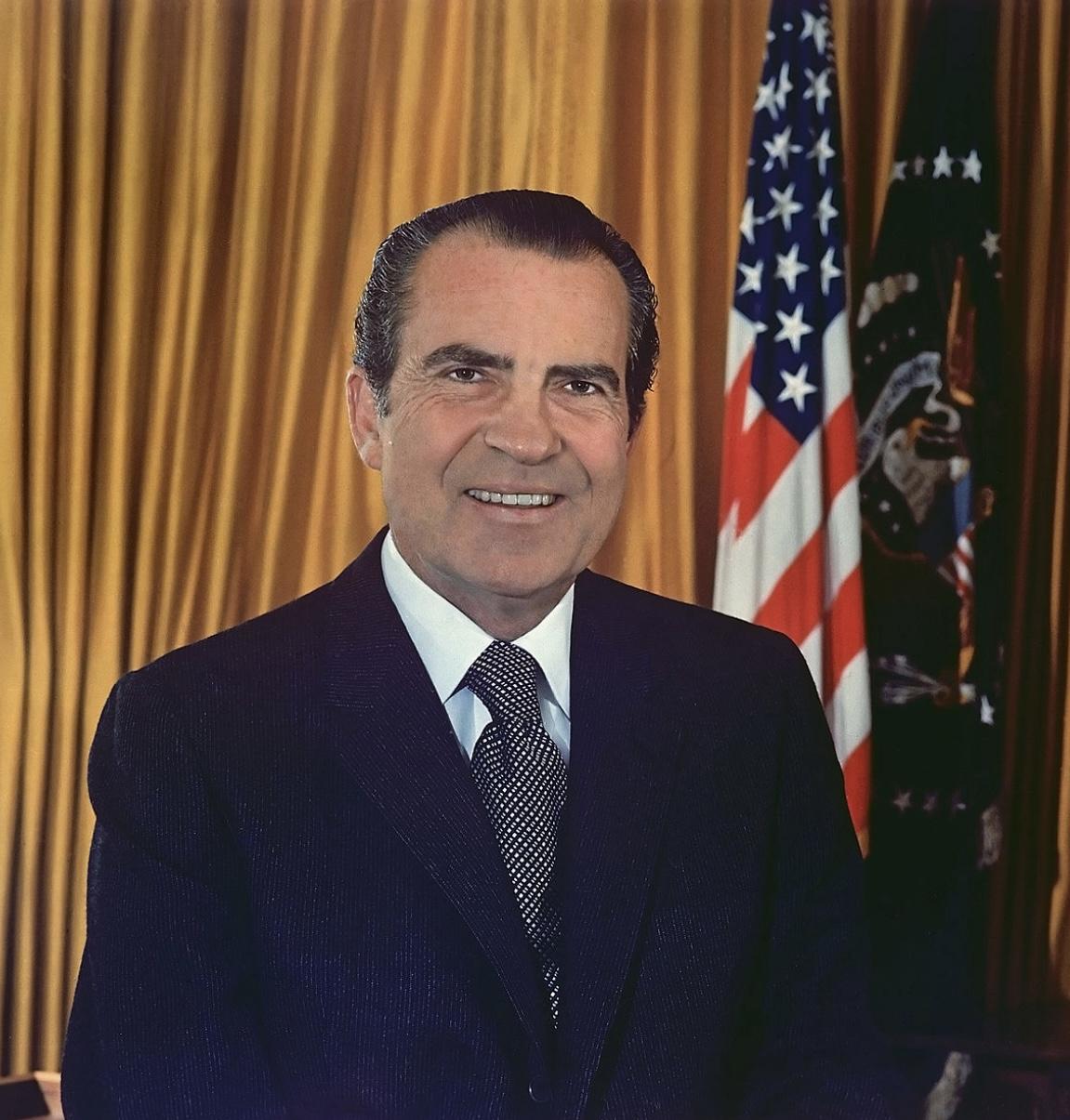
In December 1972 President Richard Nixon ordered the conclusion of Operation Linebacker II, the intense aerial bombing campaign against North Vietnam, bringing it to an end on 30 December. The decision followed eleven days of sustained attacks that were designed to apply maximum pressure on the North Vietnamese leadership after peace talks in Paris had stalled earlier in the year.
Linebacker II focused heavily on targets around Hanoi and Haiphong, using large numbers of B-52 strategic bombers alongside tactical aircraft. The campaign aimed to demonstrate that the United States retained both the capability and the political will to escalate the war if negotiations failed. While militarily costly for both sides, the bombing caused significant disruption to North Vietnamese infrastructure, air defences, and logistics.
By the end of December, the Nixon administration judged that the operation had achieved its central political objective. North Vietnam signalled its willingness to return to the negotiating table, and talks in Paris resumed shortly after the bombing halted. Nixon therefore ordered the campaign to end on 30 December, presenting it as a measured use of force that had compelled progress toward a settlement rather than an open-ended escalation.
Within weeks, negotiations produced the Paris Peace Accords, signed in January 1973, which led to a ceasefire and the withdrawal of U.S. combat forces from Vietnam. Although the long-term outcome of the war remained unresolved, Nixon’s decision to end Linebacker II reflected the administration’s belief that the campaign had fulfilled its immediate purpose of forcing renewed negotiations.