Geochang Massacre
The Geochang Massacre took place on 9 February 1951 in Geochang County, a quiet rural area in southern South Korea, during the early and most chaotic phase of the Korean War. At that time, the South Korean government and military were deeply anxious about communist guerrilla fighters believed to be hiding in mountainous regions. This fear shaped many counterinsurgency operations, especially in isolated farming communities like Geochang, where civilians were often viewed with suspicion simply because of where they lived.
On the morning of 9 February, soldiers from the 11th Division of the Republic of Korea Army arrived in several villages across the county. They told residents that guerrillas were nearby and that everyone needed to be evacuated for their own safety. Villagers complied, trusting the soldiers and believing they were being protected. Entire families gathered together, including elderly people, women carrying infants, and large numbers of children.
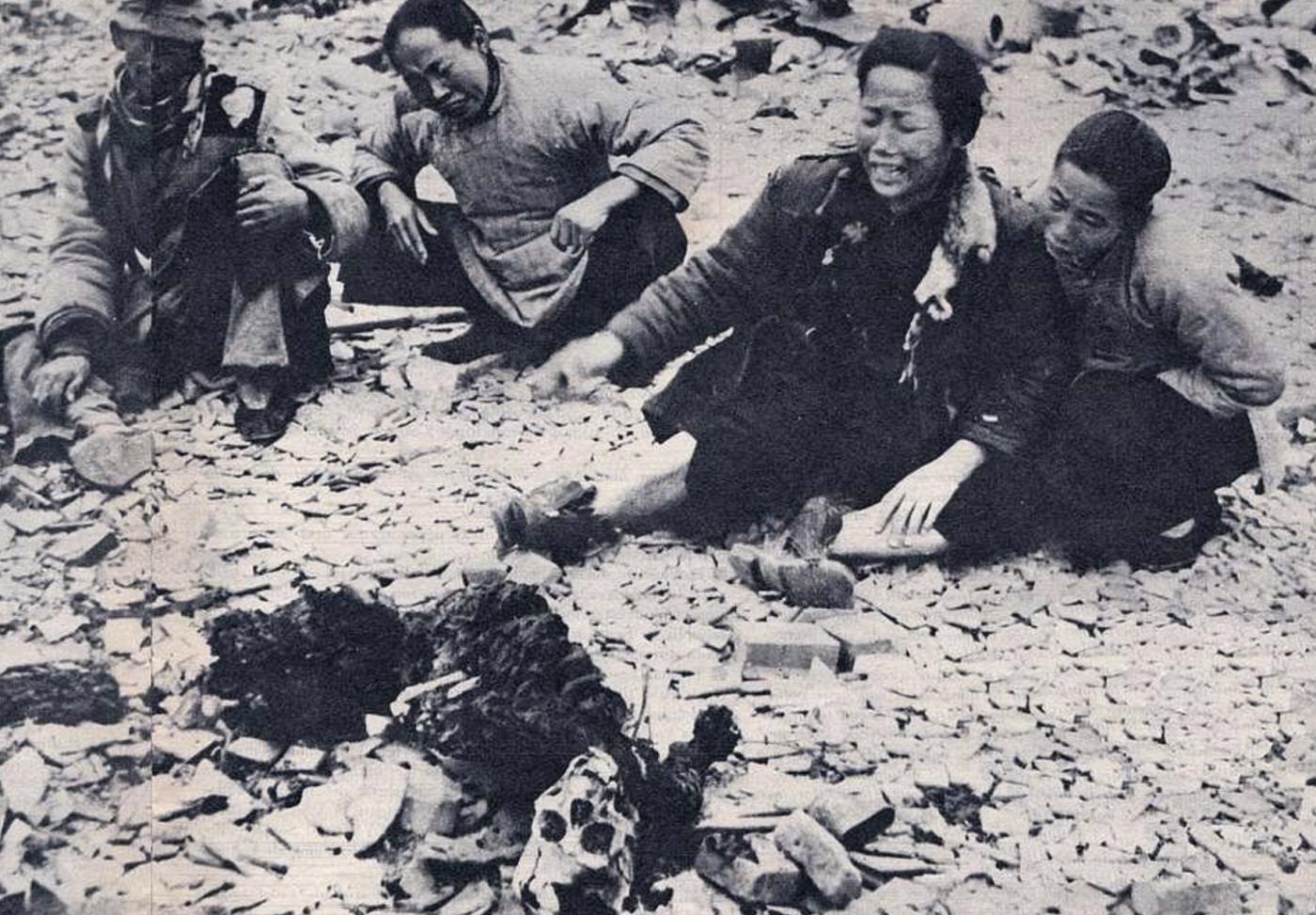
Instead of being taken to safe areas, the civilians were marched into remote valleys and wooded hillsides. Once they were far from witnesses, the soldiers opened fire. Groups were shot at close range, and those who tried to flee were hunted down. Survivors later recalled scenes of extreme cruelty, with children killed alongside their parents and entire families wiped out within minutes. The killings continued throughout the day, leaving ravines and forest floors filled with bodies.
Estimates of the number of victims vary, but historians generally agree that around 700 civilians were killed. One of the most disturbing aspects of the massacre is the large number of children among the dead, with some studies suggesting that more than half were under the age of fifteen. The people who were killed were unarmed and posed no threat, and no evidence was ever found to support claims that the villages were assisting communist fighters.
After the massacre, the military attempted to cover up what had happened. Reports described the operation as a successful action against guerrillas, and families were warned not to speak out. Many bodies were buried hastily or left in mass graves. Despite this, news began to leak out through local officials, grieving relatives, and journalists who refused to stay silent. Public anger grew as details emerged, eventually reaching the National Assembly.
An official investigation was launched in 1951, something rare in wartime South Korea. Military courts acknowledged that civilians had been unlawfully killed, and several officers were convicted. However, most of those punished were lower-ranking, and many sentences were later reduced or overturned. Senior commanders escaped responsibility entirely, especially as the political atmosphere became more authoritarian under President Syngman Rhee.
For decades afterward, the Geochang Massacre remained a painful and often suppressed memory. During years of military rule, open discussion was discouraged, memorial efforts were restricted, and families of victims were sometimes treated with suspicion. It was only after South Korea’s transition to democracy that the massacre was openly acknowledged. In the 2000s, official truth and reconciliation investigations confirmed that the killings were a serious violation of human rights committed by state forces.