On this day in military history…
On 9 February 1943 the long, brutal struggle for Guadalcanal finally came to an end, marking one of the most decisive turning points of the Pacific War. After more than six months of grinding combat on land, sea, and in the air, United States forces secured full control of Guadalcanal, not through a climactic last stand by the enemy, but through the quiet realization that the Japanese had slipped away under cover of darkness. What made the day so profound was not a single dramatic battle, but the knowledge that a campaign which had consumed thousands of lives and tested the limits of human endurance had finally been won.
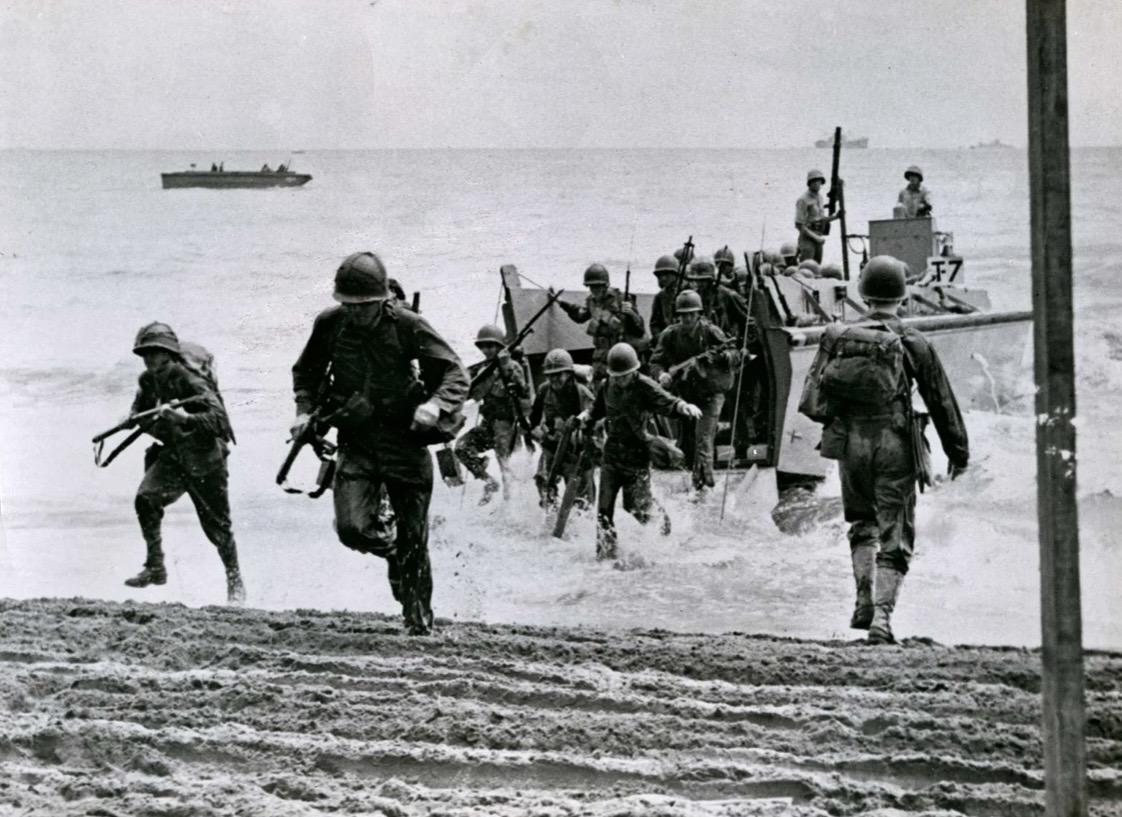
The struggle for Guadalcanal began in August 1942 when American forces landed on the island to prevent it from becoming a Japanese base threatening supply routes between the United States and Australia. From the outset, the fighting was bitter and chaotic. Dense jungle, suffocating heat, torrential rain, and disease became as deadly as bullets. Malaria, dysentery, and fungal infections weakened entire units, while supply shortages forced both sides to fight on starvation rations. Control of the island see-sawed back and forth as each side launched desperate offensives, often at night, in terrain where visibility was measured in yards.
By late 1942 the balance had begun to shift. The United States, drawing on its growing industrial strength, slowly improved its supply situation, reinforced its troops, and gained the upper hand in the surrounding seas and skies. Japanese forces, by contrast, were increasingly isolated. Repeated naval defeats made it impossible to land sufficient food, ammunition, or reinforcements. Soldiers of the Imperial Japanese Army were reduced to living off roots, coconuts, and whatever could be scavenged in the jungle. Many died of hunger or disease before ever encountering the enemy.
In January 1943, the Japanese high command made the difficult decision to abandon the island. Rather than sacrifice the remaining troops in a futile defense, they planned a daring evacuation known as Operation Ke. Over several nights, fast destroyers slipped into the waters around Guadalcanal, braving American aircraft and patrols to extract thousands of soldiers. This withdrawal was so skillfully executed that many U.S. commanders initially believed the Japanese were reinforcing rather than retreating, a testament to how uncertain and deceptive the campaign had been from start to finish.
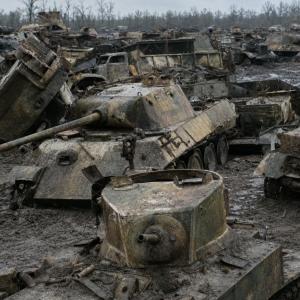
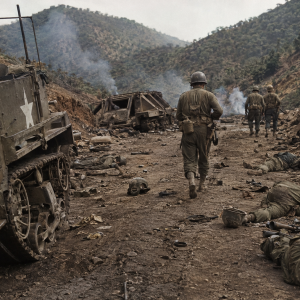
On the morning of 9 February, American patrols pushed forward cautiously, expecting ambushes and counterattacks. Instead, they found abandoned positions, rusting weapons, discarded equipment, and the silent evidence of months of suffering. The realization slowly dawned that the enemy was gone. There was no triumphant parade, no formal surrender, just exhaustion and relief. After half a year of relentless combat, the island was finally secure.
The significance of that day went far beyond Guadalcanal itself. It was the first major land campaign in which U.S. forces had decisively defeated Japanese troops and held the ground. Psychologically, it shattered the myth of Japanese invincibility that had followed the early months of the war. Strategically, it halted Japan’s southward expansion and gave the Allies a vital foothold from which to begin the long, costly advance across the Pacific.
For the men who fought there, 9 February was also a deeply personal milestone. Many had watched friends die in savage jungle firefights, naval bombardments, and air raids. Others had endured weeks of hunger, sickness, and fear. The end of the campaign did not erase those memories, but it gave meaning to the suffering. Guadalcanal had become a proving ground for American forces, especially the Marines and Army units who learned hard lessons about jungle warfare, logistics, and joint operations.