General yamashita
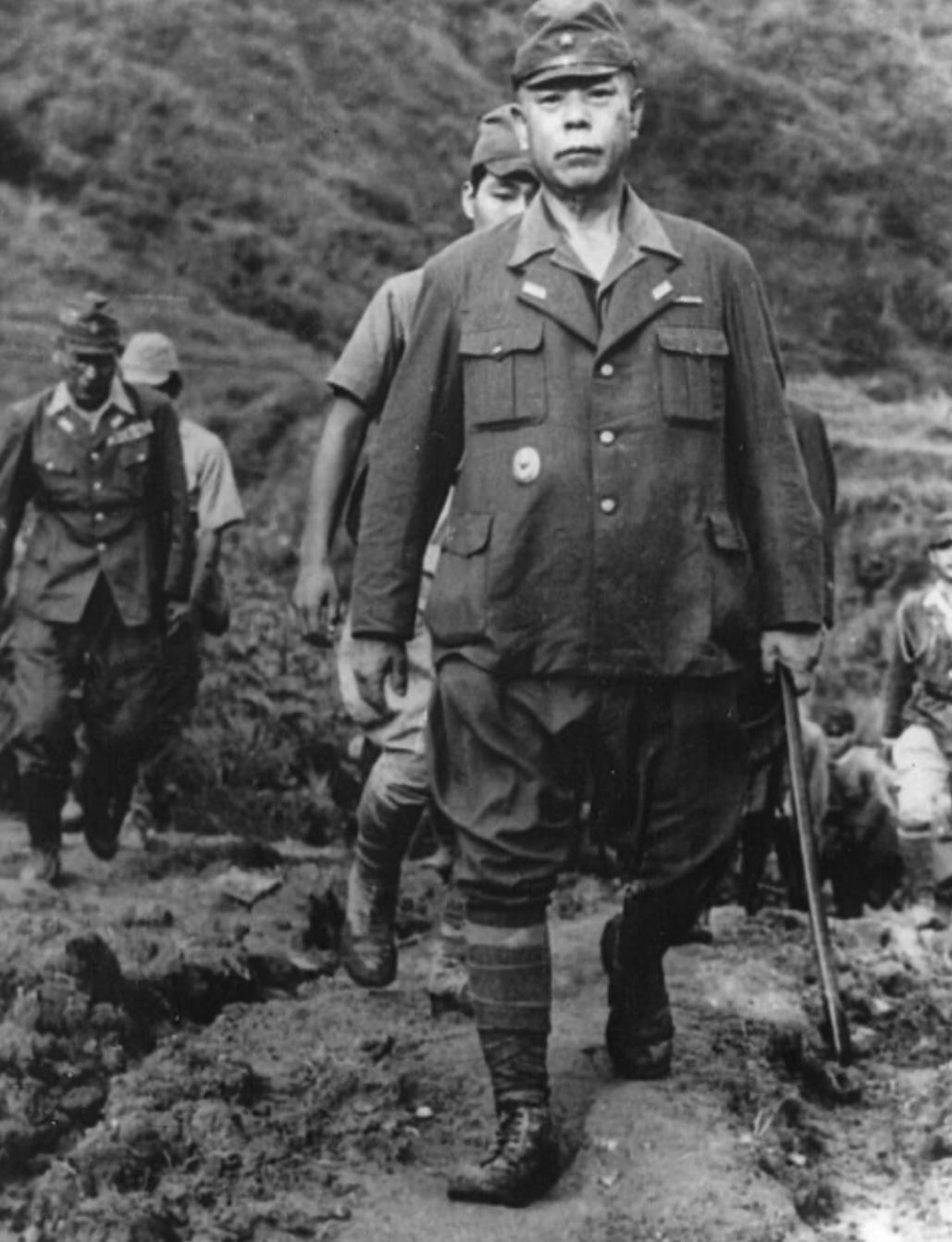
Tomoyuki Yamashita was born on November 8, 1885, in the rural village of Osugi in what is now Oita Prefecture. His father, a village doctor, served farming communities scattered across the region, and Yamashita grew up in a household where discipline, education, and duty were strongly emphasized. Although not from a prestigious samurai background, his family’s status enabled him to receive a solid education. As a boy he was quiet, studious, and serious, showing an early interest in military matters. At seventeen he entered the Imperial Japanese Army Academy, excelling in strategy and leadership studies.
Graduating in 1905, shortly after Japan’s victory in the Russo-Japanese War, Yamashita entered a rapidly modernizing military. His rise through the ranks was marked by strong academic achievement and unwavering commitment, but it was occasionally slowed by internal politics. After completing the Army Staff College in 1916 with high distinction, he was recognized as an officer with exceptional potential. Still, he sometimes clashed with ultranationalist elements in the army due to his more moderate and pragmatic views. These tensions led to periodic sidelining, though his abilities ultimately ensured his advancement.
In the 1920s and early 1930s he served in multiple staff positions, including a significant posting in Germany, where he studied European military doctrine. This international experience broadened his strategic thinking and reinforced his belief in rapid, coordinated offensives supported by strong logistical planning. He became known as an officer who valued discipline but who also appreciated the importance of delegated authority and initiative within the chain of command.
His defining moment came with his appointment to lead the 25th Army during the opening stages of the Pacific War. Tasked with capturing British-held Malaya and Singapore, Yamashita developed an audacious plan that relied on speed, deception, and psychological pressure. Using bicycles for rapid movement down the Malayan Peninsula, his forces repeatedly outmaneuvered larger British and Commonwealth units. Yamashita’s command style emphasized relentless momentum, efficient communication, and the strategic use of surprise. Although his troops were often exhausted, he kept them focused through strict discipline and a sense of urgency. He also issued firm orders to prevent looting and maintain order, though the chaos of the campaign and the behavior of some units meant such directives were not always followed in practice.
The fall of Singapore in February 1942, after just about seventy days of fighting, was a stunning victory. It earned Yamashita international notoriety and the nickname “The Tiger of Malaya.” Yet his success also deepened tensions with the Japanese high command, particularly with factions that distrusted him politically. Shortly after the campaign, he was reassigned to a largely administrative role in Manchuria, a move widely considered a demotion driven more by politics than performance.
In 1944, as Japan’s strategic situation deteriorated, Yamashita was recalled and placed in command of Japanese forces in the Philippines. By then the war had turned irrevocably against Japan. Yamashita attempted to implement a defensive strategy based on delay, conservation of forces, and withdrawal to mountain positions rather than futile last stands. But the situation was chaotic. Communication lines were shattered, supply networks had collapsed, and many units — including those from other branches such as the navy — acted independently. Horrific atrocities occurred, particularly during the battle for Manila in 1945, largely carried out by units not under his effective control.
After Japan’s surrender, Yamashita was arrested and brought before a U.S. military tribunal in Manila. The prosecution argued that, as the senior commander in the Philippines, he bore ultimate responsibility for the conduct of all Japanese forces in the region, regardless of whether he ordered or knew about specific crimes. The defense maintained that given the collapse of communication and command structures, he had no ability to prevent or halt many of the atrocities committed. Despite these arguments, he was convicted. The verdict established what would later be known as the “Yamashita Standard,” holding commanders criminally liable for failing to control their troops, even without direct involvement in wrongdoing.
Yamashita was executed by hanging on February 23, 1946. He remained composed in his final hours and reportedly expressed a belief that he had fulfilled his duty as a soldier, regardless of the tribunal’s judgment. His trial has since become a major point of discussion in military law and ethics. Some commentators argue he was treated unjustly and made a symbolic target, while others uphold the ruling as a vital precedent for command responsibility.
An enduring piece of folklore connected to his name is the legend of “Yamashita’s Gold,” a supposed treasure hidden in the Philippines during the war. Although widely popular in books and speculation, there is no reliable evidence that he was involved in any such activity, and most historians consider the story fanciful.
Tomoyuki Yamashita remains one of the most complex figures of the Second World War. Renowned for his strategic brilliance in Southeast Asia, overshadowed by controversy in the Philippines, and immortalized by a legal precedent that still shapes military justice today, his life reflects both the strengths and the contradictions of Japan’s wartime military leadership.