First Ejecter Seat
The first successful emergency escape from an aircraft using a compressed gas ejector seat was carried out by the German test pilot Helmut Schenk on 13 January 1942, during the Second World War. This event marked a major turning point in aviation safety, as it demonstrated for the first time that a pilot could be forcibly propelled clear of an aircraft in flight quickly enough to survive situations where conventional escape methods were no longer possible.
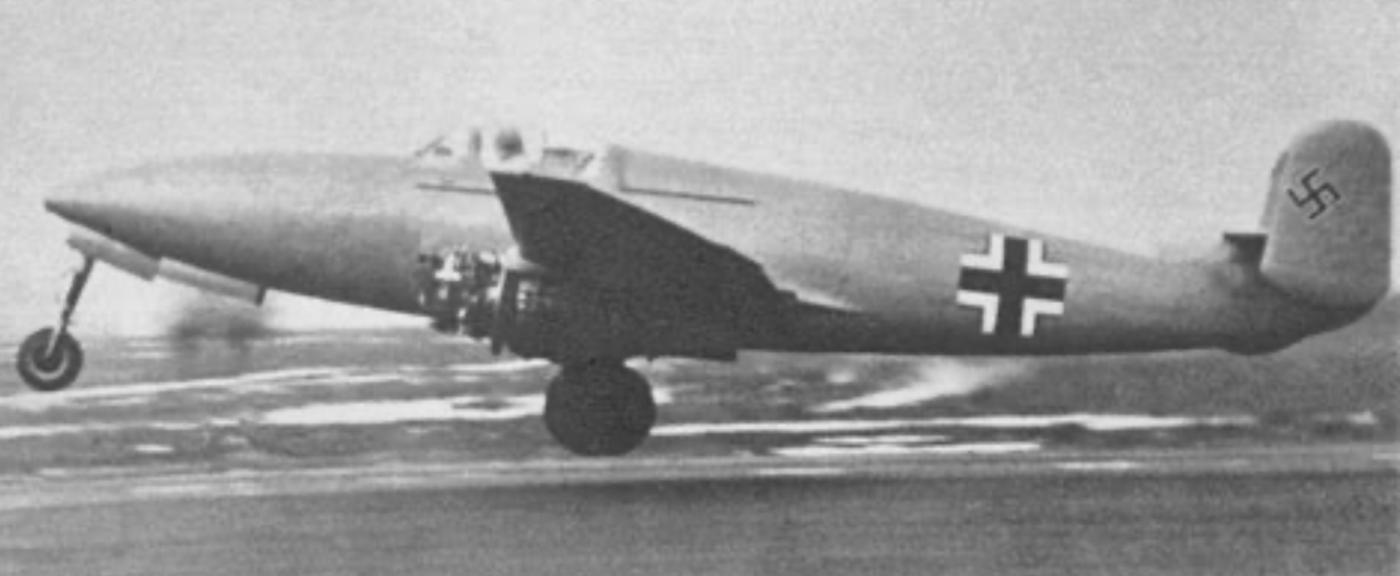
The escape occurred at the Luftwaffe flight test center at Rechlin in northern Germany, which served as the main evaluation site for experimental military aircraft. Schenk was flying the Heinkel He 280, a revolutionary jet fighter prototype and one of the earliest jet-powered fighters ever built. The aircraft was equipped with an experimental ejection seat powered by compressed air, a system developed because early jet aircraft had higher speeds and tail configurations that made climbing out of the cockpit extremely dangerous or fatal.
During the test flight, the He 280 suffered serious control problems. The aircraft became unstable, and Schenk was unable to correct the situation. At that point in jet aviation development, pilots often had only seconds to react, and attempting to bail out manually risked being struck by the aircraft’s tailplane. Recognizing that conventional escape was impossible, Schenk activated the ejection seat.
When the mechanism was triggered, compressed air drove the seat upward along guide rails, violently expelling both pilot and seat out of the cockpit. Once clear of the aircraft, Schenk separated from the seat, deployed his parachute, and descended safely to the ground. He survived the incident without serious injury, confirming that the compressed gas ejector seat functioned as intended.
Although the Heinkel He 280 never entered operational service, the success of this ejection had profound long-term consequences. It proved that powered ejection systems could save pilots in emergencies involving high speed, loss of control, or structural failure. The concept was refined during and after the war, eventually leading to more advanced systems using explosive charges and rocket assistance.