On this day in military history…
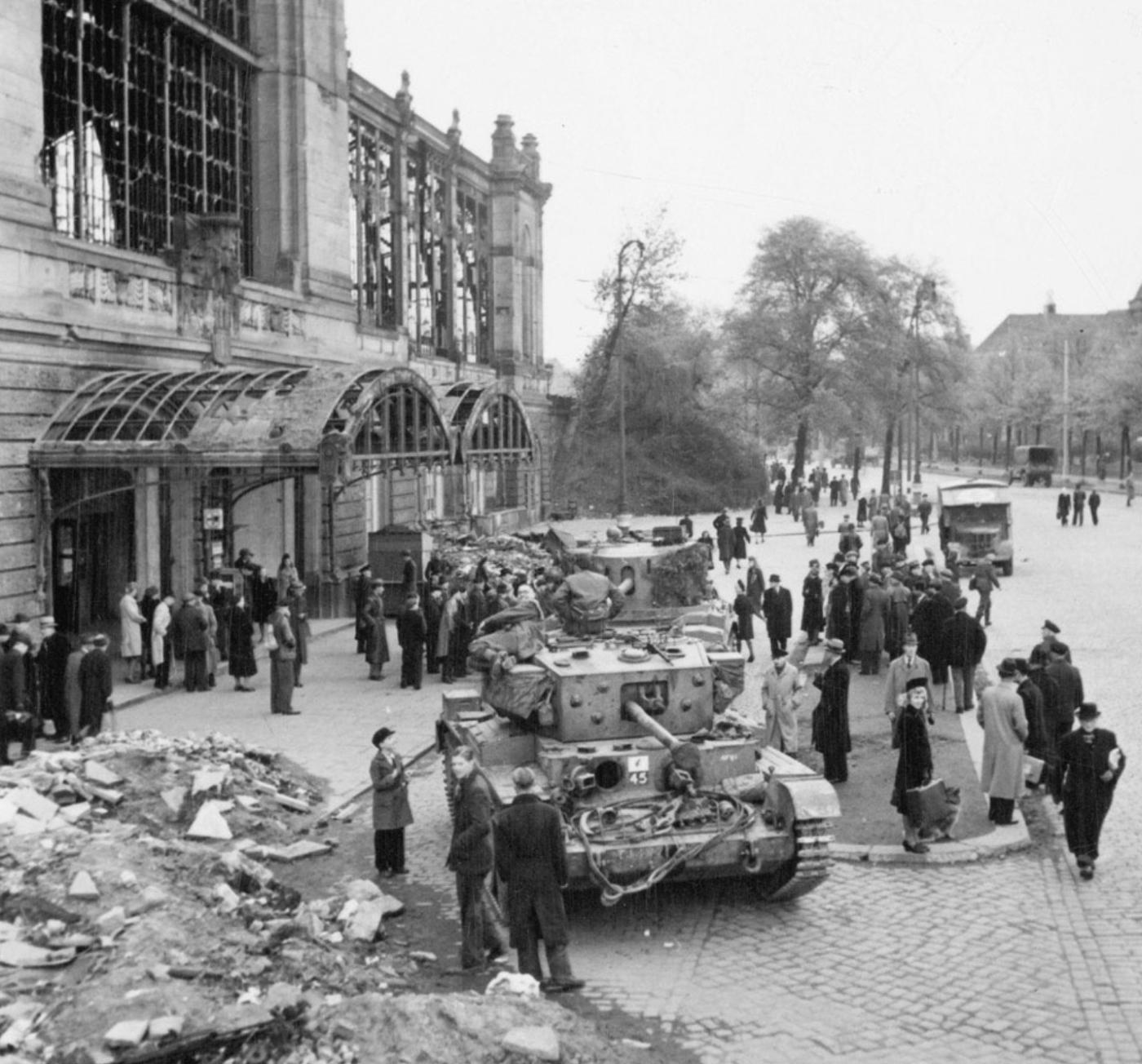
On 3 May 1945, British troops entered Hamburg after negotiations for its surrender. German forces in the region were under the command of Kurt Student, who had been appointed to oversee the defence of northern Germany. Recognising the hopelessness of the situation and wishing to avoid further destruction and civilian casualties, German authorities agreed to surrender the city without major fighting. This decision aligned with broader surrender arrangements being negotiated across northern Germany, including at Lüneburg Heath, where German forces in the region capitulated to Montgomery shortly afterward.
The entry into Hamburg was therefore relatively orderly. British forces secured key infrastructure such as docks, administrative buildings, and communication centres. They also took custody of large numbers of German troops and officials. One notable and grim discovery in the wider Hamburg area was the Neuengamme concentration camp, where Allied troops found evidence of atrocities committed by the Nazi regime. Many prisoners had been evacuated shortly before the British arrival, leaving behind clear signs of the brutality of the camp system.
The occupation of Hamburg had both immediate and broader significance. Militarily, it marked the effective end of organised German resistance in northern Germany. The capture of such a major port denied any possibility of evacuation or regrouping by German forces in the region. It also allowed the Allies to secure vital supply routes and infrastructure that would be important in the post-war occupation.
Politically and symbolically, the fall of Hamburg underscored the total collapse of Nazi authority. Coming just days after the death of Adolf Hitler on 30 April 1945, and shortly before Germany’s unconditional surrender on 7–8 May, the event illustrated how rapidly the regime was disintegrating. The orderly surrender of a major city also reflected a shift among some German commanders toward avoiding pointless destruction in the war’s final hours.
For the British Army, the occupation demonstrated the effectiveness of the rapid advance strategy employed after crossing the Rhine. Instead of becoming bogged down in urban combat, British forces bypassed strongpoints, disrupted command structures, and forced surrenders through speed and pressure. This approach helped minimise casualties at a stage when the outcome of the war was already decided.
In the broader context of the war effort, the capture of Hamburg contributed to the stabilisation of northern Germany under Allied control. It facilitated humanitarian efforts, including the provision of food and medical care to a population on the edge of collapse. It also marked the beginning of the British occupation zone in Germany, which would play a key role in the post-war reconstruction and eventual formation of West Germany.