On this day in military history…
The Dachau concentration camp was liberated on April 29, 1945, in the closing days of World War II, when American forces advanced into southern Germany and encountered one of the most notorious sites of the Nazi regime. Dachau holds a grim distinction as the first regular concentration camp established by the Nazis, opening in 1933 just weeks after Adolf Hitler came to power. Originally intended for political prisoners such as communists and dissidents, it evolved over time into a vast complex where Jews, prisoners of war, clergy, Romani people, and many others were imprisoned under brutal conditions.
By the spring of 1945, as Allied forces closed in from both east and west, Dachau had become severely overcrowded. Tens of thousands of prisoners had been forced on death marches from camps further east to prevent their liberation by the advancing Soviets. Many died along the way from exhaustion, starvation, or execution, and those who reached Dachau were already in a state of extreme physical collapse. Inside the camp, food was scarce, disease was rampant, and the infrastructure had broken down under the sheer number of inmates.
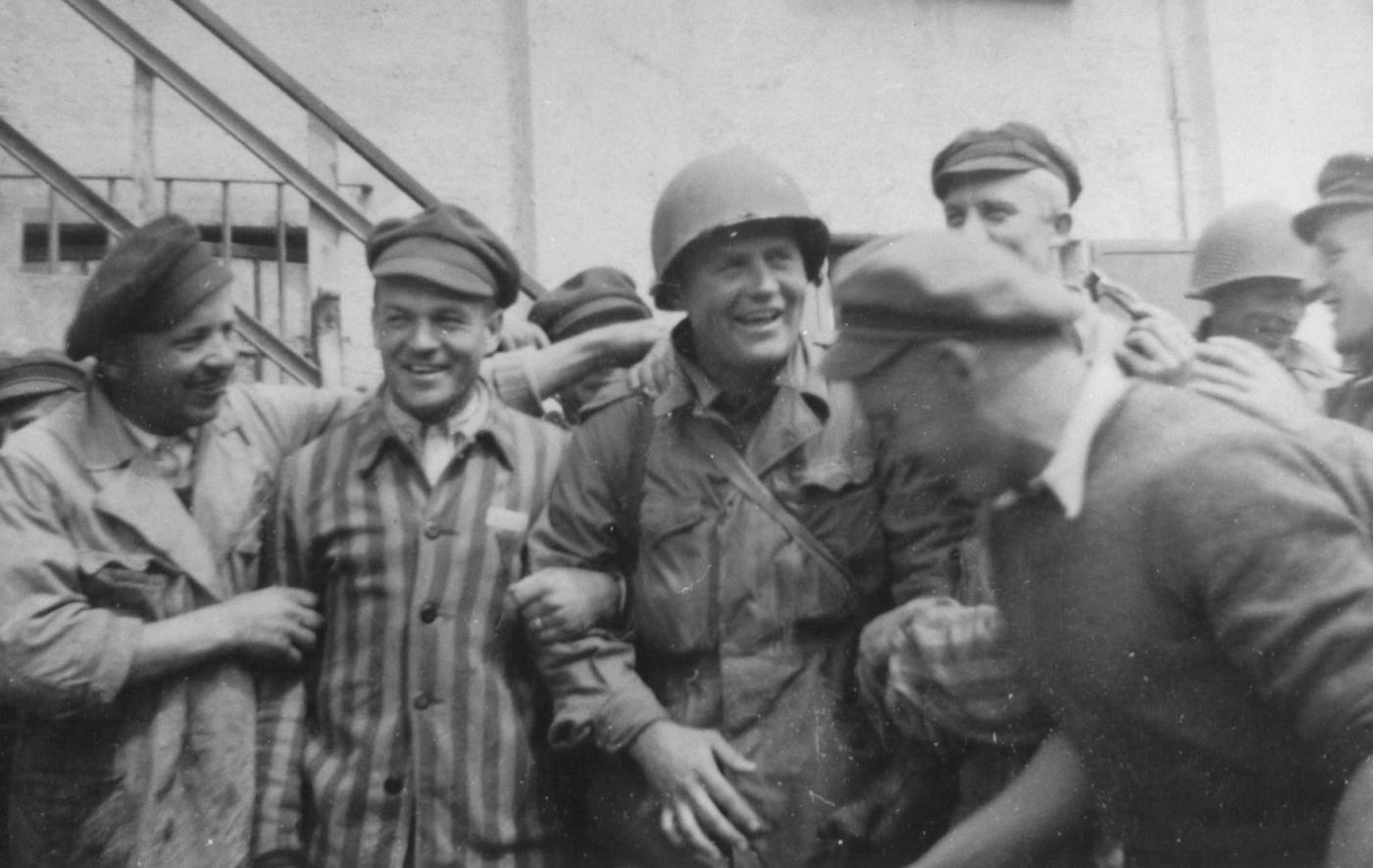
The liberation itself was carried out by units of the 42nd Infantry Division and the 45th Infantry Division, along with elements of the 20th Armored Division. As American troops approached the camp, they first encountered a train of freight cars on a siding near the camp perimeter. Inside were thousands of corpses, prisoners who had been transported from other camps and left to die. This sight immediately signaled to the soldiers that they were entering a place of unimaginable suffering.
When the soldiers entered the camp itself, they found over 30,000 survivors, many of them emaciated to the point of near skeletal appearance. Prisoners were suffering from diseases such as typhus, and medical care was almost nonexistent. The guards had begun to flee as the Americans approached, although some remained and were captured. In the chaos and horror of what they discovered, some American soldiers shot several SS guards in acts later described as spontaneous retaliation. These shootings sometimes referred to as the Dachau reprisals, have been the subject of historical discussion and debate.
Among the prisoners were individuals from across Europe, representing a wide range of nationalities and backgrounds. Dachau had also served as a central training site for SS camp personnel, meaning its influence extended far beyond its own camp into the wider network of Nazi camps. The camp included a crematorium complex and a gas chamber, although historians debate the extent to which the gas chamber at Dachau was used for mass killings compared to other camps like Auschwitz concentration camp.
The liberation did not immediately end the suffering for many survivors. Thousands were too weak to recover quickly, and despite the efforts of American medics, many died in the days and weeks following liberation. Emergency hospitals were set up, and food and medical supplies were brought in, but the scale of the suffering was overwhelming. The American officers also forced local German civilians to visit the camp to witness the conditions firsthand, confronting them with the evidence of the Nazi regime’s policies.
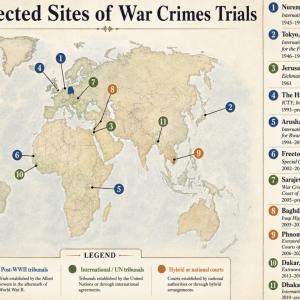
The events at Dachau became some of the earliest documented evidence of the Holocaust to be widely seen by the Western Allies. Journalists, photographers, recorded what they found, and these records played a significant role in shaping global understanding of Nazi crimes. The liberation of Dachau, along with other camps, contributed directly to the evidence later presented at the Nuremberg Trials, where leading Nazi officials were prosecuted for war crimes and crimes against humanity.
Dachau remained in use for some time after the war, initially as a site for housing displaced persons and later as an internment camp for suspected Nazis. In the decades that followed, it was transformed into a memorial and museum, preserving the memory of those who suffered and died there. Today, it stands as a stark reminder of the consequences of totalitarianism, hatred, and indifference, visited by people from around the world who seek to understand the holocaust and ensure that such atrocities are not repeated.