Ali Refuses draft
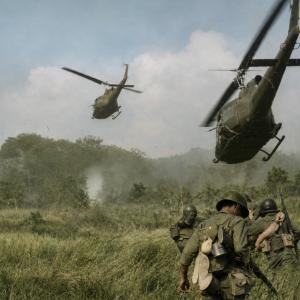
In the mid-1960s, Muhammad Ali stood at the height of his boxing career, not only as heavyweight champion but as a highly visible and controversial public figure. His life became closely tied to the politics of the Vietnam War when he was drafted into the United States Army in 1966.
Initially, his situation followed a familiar pattern. Like many young American men, he had registered for the draft. Earlier, he had been ruled unfit due to a low aptitude test score, but as military needs increased, standards were lowered and he was reclassified as eligible. By then, he had already undergone a major personal shift. After winning the title in 1964, he converted to Islam and joined the Nation of Islam, changing his name from Cassius Clay and drawing widespread criticism.
Opposition to the war came from both religious belief and political conviction. He argued that, as a Muslim minister, he qualified as a conscientious objector, but he also questioned the morality of the conflict itself. On April 28, 1967, in Houston, Texas, he made the defining decision. When called forward for induction, he refused to step ahead when his name was announced, a quiet but deliberate act of defiance.
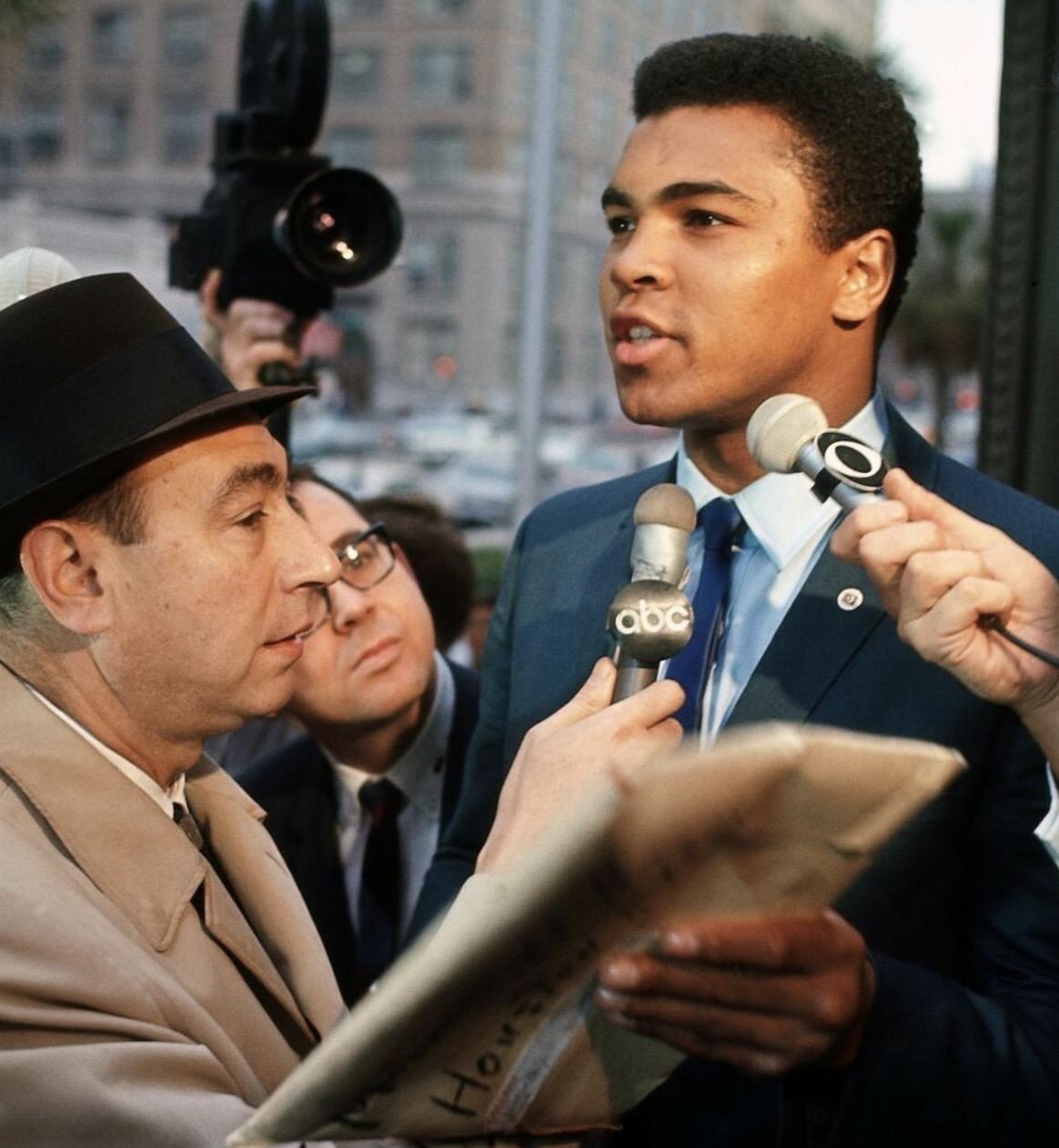
His position had already been made clear in the months leading up to this moment. Through interviews and press statements, he spoke bluntly, famously declaring he had “no quarrel with them Viet Cong.” He expanded on this by pointing out that no Vietnamese person had ever harmed him, contrasting that with racial injustice in the United States. These views were not delivered in a single speech but through repeated media appearances, where his confident and direct manner ensured his words spread widely.
Reaction from the press and public was immediate and sharply divided. Much of the mainstream media condemned the refusal, portraying him as unpatriotic or irresponsible. Television commentators questioned his sincerity, while political figures framed the act as a betrayal of American troops.
Public opinion largely followed this negative tone at first. Many Americans still supported the war, and the stance taken was seen as extreme. Booing at events, hate mail, and threats became common. Some former supporters turned against him entirely, and figures within the boxing world distanced themselves.
At the same time, a growing minority offered support. Younger Americans, civil rights activists, and early anti-war voices viewed the refusal as an act of courage. It became a symbol not only of resistance to the war but also of protest against racial inequality and expectations placed on Black Americans.
The consequences were swift. He was arrested and charged with draft evasion. Boxing authorities stripped him of his heavyweight title and revoked his license, preventing him from competing during what should have been his prime years.
In June 1967, he was convicted, fined $10,000, and sentenced to five years in prison. Although he remained free while appealing, the conviction limited his career for several years. During that time, he turned increasingly to public speaking, addressing college audiences with a mix of humour, moral argument, and political criticism.
As the war continued and opposition grew, public opinion began to shift. What had once been widely condemned started to be seen by some as principled. The willingness to sacrifice a career and risk imprisonment for personal beliefs earned increasing respect.
The legal case eventually reached the Supreme Court, which in 1971 unanimously overturned the conviction, ruling that his claim to conscientious objector status had been wrongly denied. This cleared his name and marked a turning point in public perception.
By then, he had returned to boxing, but both he and the country had changed. Later achievements in the ring added to his fame, yet his stand in 1967 remained one of the most significant acts of political defiance by an athlete. What was once viewed by many as disloyalty came to be recognised as a powerful example of conviction and moral resolve.