
On this day in military history…
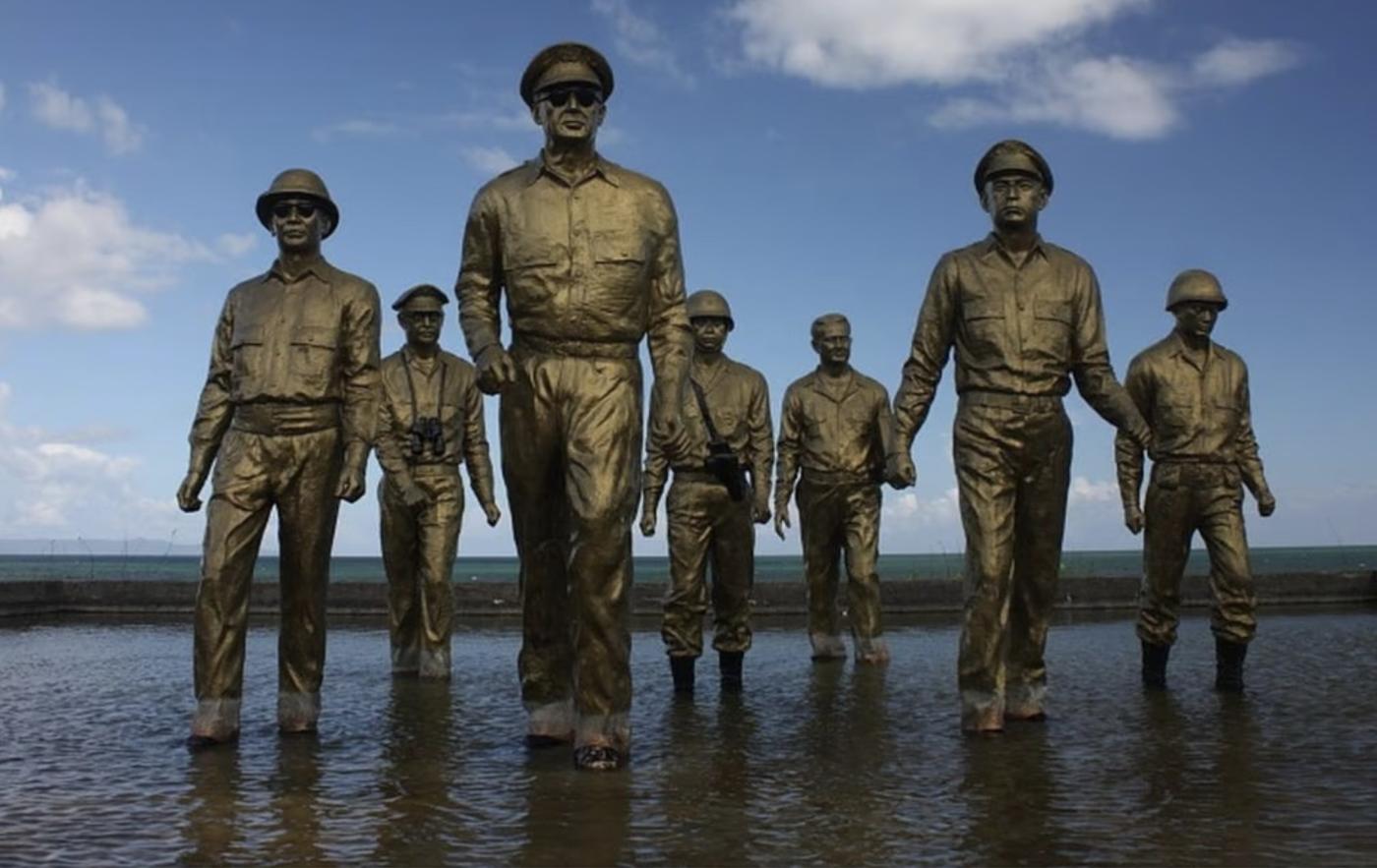
In the early hours of 6 February 1945, General Douglas MacArthur issued a confident announcement that Manila, the capital of the Philippines and once known as the “Pearl of the Orient,” had been taken by Allied forces. The statement, released from his headquarters in the Pacific, carried enormous symbolic weight. For MacArthur, it marked the fulfilment of a deeply personal and political promise to return to the Philippines after his dramatic evacuation in 1942. For Filipinos and Allied audiences alike, it suggested that Japanese control of the islands was collapsing and that liberation was close at hand.
The announcement came amid rapidly unfolding events. American forces of the Sixth Army had landed on Luzon at Lingayen Gulf in January 1945 and advanced southward with unexpected speed. Japanese resistance outside the capital was lighter than anticipated, largely because General Tomoyuki Yamashita had withdrawn most of his main forces into the mountainous interior of northern Luzon. His intention was to fight a prolonged defensive campaign there, rather than sacrifice troops in the open plains or the capital. This decision allowed American armoured and infantry units to push toward Manila far more quickly than planners had predicted, and by the end of January reconnaissance elements were already approaching the city’s outskirts.
On 3 February, elements of the U.S. 1st Cavalry Division carried out a dramatic dash into northern Manila. Moving swiftly through the suburbs, they crossed into the city and raced to the University of Santo Tomas, where thousands of Allied civilians and prisoners of war had been interned since 1942. The liberation of the camp was an emotionally charged moment and was widely reported by war correspondents. These scenes strongly shaped the impression, both at headquarters and among the public, that Manila had effectively fallen.
American forces continued to enter the city from several directions, securing key bridges, road junctions, and districts. From a strategic perspective, MacArthur regarded the capture of these vital points and the re-establishment of Allied authority in much of the city as sufficient grounds to declare Manila taken. His announcement on 6 February was also carefully calculated for morale. MacArthur understood the power of symbolism and timing, and Manila was far more than a military objective. It was the seat of the Philippine Commonwealth government, the centre of political and cultural life, and a potent symbol of American presence in Asia. Declaring the capital liberated reinforced the narrative of return and redemption that he had cultivated since leaving the islands three years earlier.
The reality on the ground, however, was far more complex and tragic than the announcement suggested. While large areas of northern and eastern Manila were under American control, substantial Japanese forces remained entrenched in the southern districts. These troops, largely naval personnel under Rear Admiral Sanji Iwabuchi, defied Yamashita’s orders to withdraw and instead prepared to fight to the death within the city. As a result, some of the fiercest urban combat of the Pacific War was still ahead, even as newspapers and radio broadcasts reported that Manila had already been captured.
What followed was a devastating battle marked by close-quarters fighting, heavy artillery fire, and widespread destruction. Entire neighbourhoods were reduced to rubble, historic churches and public buildings were destroyed, and the civilian population suffered appallingly. Japanese troops committed numerous atrocities as they resisted the Allied advance, leading to mass civilian casualties. By the time organised Japanese resistance finally ended in early March 1945, Manila was one of the most heavily damaged capitals of the war, and tens of thousands of civilians were dead.
In retrospect, MacArthur’s early announcement reflected both the momentum of the American advance and the pressures facing senior commanders in wartime. It captured the sense of victory and fulfilment that accompanied the return to the Philippine capital, even though heavy fighting still lay ahead. While the statement overstated the reality on the ground, it remains a significant moment in the liberation of the Philippines, symbolising the Allied return and the nearing end of Japanese occupation.