On this day in military history…
The Battle of Bure was a small but intense engagement fought on 3–5 January 1945 during the closing phase of the Battle of the Bulge in the Ardennes region of Belgium. It took place in and around the village of Bure, near Marche-en-Famenne, at a moment when German forces were making their last major offensive effort on the Western Front and Allied units were scrambling to block key roads and high ground.
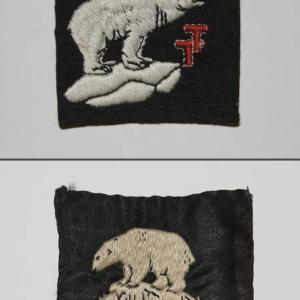
The village of Bure itself had little intrinsic value, but it sat astride important routes leading toward Marche and the Meuse River. Holding Bure helped deny the Germans observation points and maneuver space at a time when every village could become a strongpoint. The primary Allied force involved was the 3rd Battalion of the 13th Parachute Regiment, part of the British 6th Airborne Division. These paratroopers had originally been trained and equipped for airborne assault, but by the winter of 1944–45 they were being used as elite infantry to plug gaps in the Allied line. They were understrength, exhausted, and poorly supplied for winter combat, yet were ordered to occupy and hold Bure against an expected German counterattack.
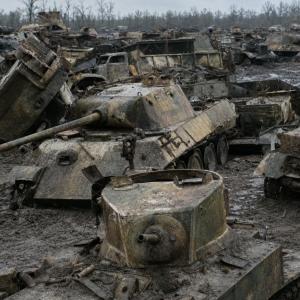
Opposing them were elements of the German 2nd Panzer Division, supported by infantry from Volksgrenadier units and armored vehicles including Panzer IV tanks and assault guns. The German task was to clear Bure and regain control of the surrounding high ground, opening the way for renewed pressure toward Marche-en-Famenne. For the Germans, success would help stabilize their collapsing offensive; for the Allies, holding the village would further choke the already faltering German advance.
The British paratroopers entered Bure on 3 January and immediately began preparing defensive positions inside stone houses, barns, and cellars. The freezing weather, deep snow, and lack of heavy weapons made their task extremely difficult. They had little anti-tank capability, relying mainly on PIAT launchers and gammon bombs, and ammunition was limited. Communications were also unreliable, forcing junior officers and NCOs to act independently when cut off.
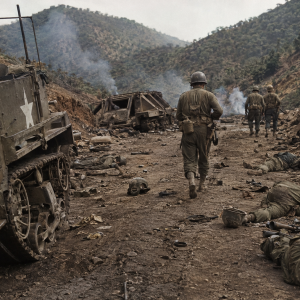
German attacks began with artillery and mortar fire, followed by infantry assaults supported by armor. Several houses changed hands multiple times in brutal close-quarters fighting. German tanks fired directly into buildings to collapse defensive positions, while British paratroopers fought room to room, often at point-blank range. One of the most striking features of the battle was the refusal of the defenders to withdraw even when surrounded, a testament to the airborne ethos drilled into them during training.
Despite being outnumbered and outgunned, the British paratroopers inflicted heavy casualties on the attackers. Individual acts of initiative were crucial, including small teams knocking out armored vehicles at close range and isolated soldiers holding buildings long after neighboring positions had fallen. The Germans repeatedly underestimated the stubbornness of the defense and committed piecemeal attacks rather than overwhelming the village in one coordinated assault.
By 5 January, the defenders were nearly exhausted, many wounded, and almost out of ammunition. Orders were finally given for a withdrawal, which was conducted under fire and in appalling conditions. Although the Germans ultimately occupied Bure, the delay imposed by the British defense contributed to the wider failure of German operations in the sector. The German advance had lost momentum, fuel was running short, and Allied counteroffensives elsewhere were forcing a general withdrawal.
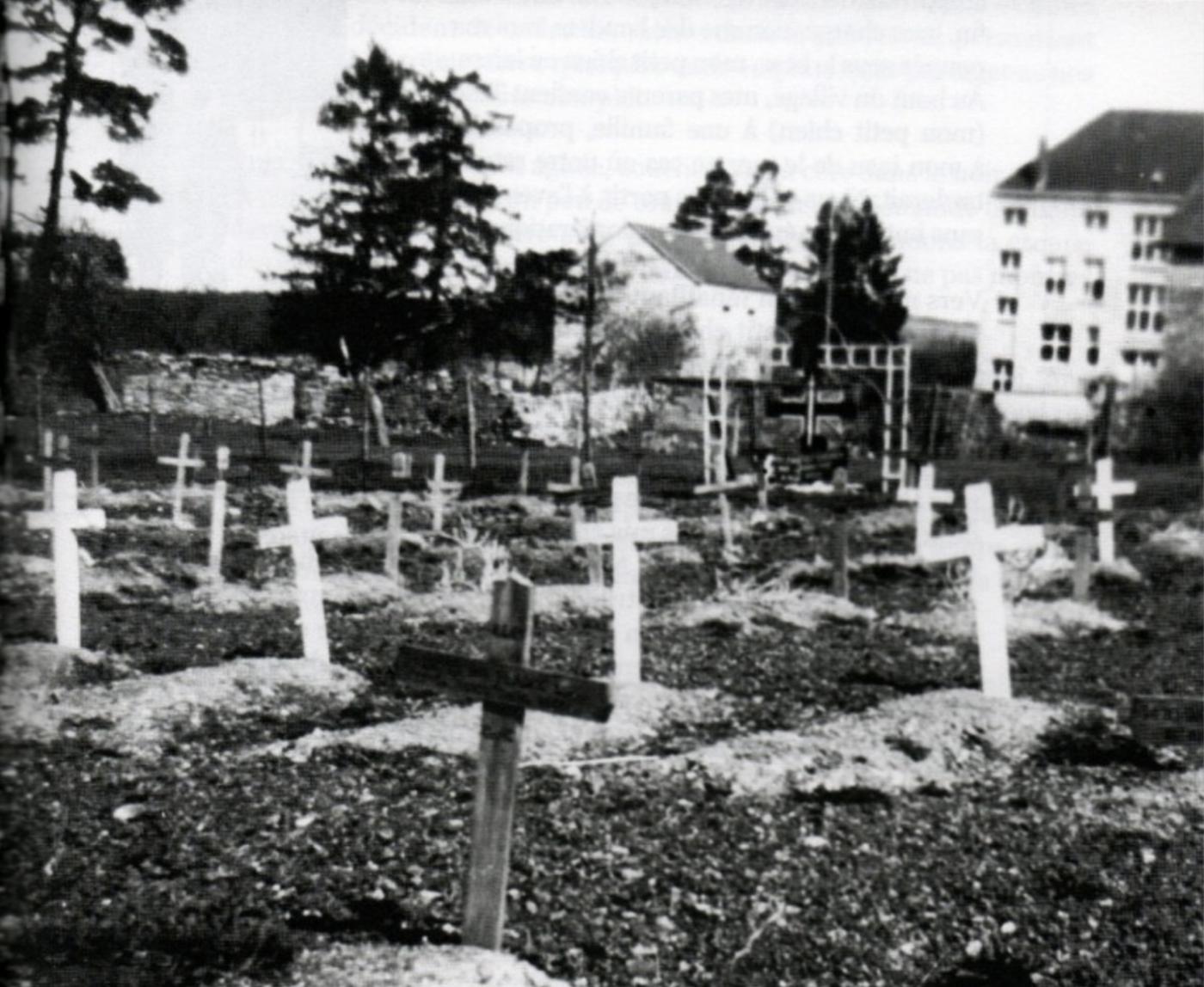
Casualties were heavy relative to the size of the forces involved. The 3rd Battalion, 13th Parachute Regiment suffered around 150 casualties, including killed, wounded, and captured, out of roughly 600 men, making Bure one of the most costly actions for the battalion during the war. German casualties are less precisely recorded but are believed to have been significant, with dozens killed or wounded and several armored vehicles knocked out or damaged.
One interesting detail is that the battle became a symbol within the 6th Airborne Division of the transition from airborne shock troops to line-holding infantry. The men at Bure were not conducting a dramatic parachute assault, but instead endured prolonged defensive combat under some of the worst conditions of the war. In later years, veterans often remarked that Bure was more psychologically taxing than their airborne landings, precisely because it involved being slowly ground down rather than achieving sudden surprise.
Although overshadowed by larger actions in the Battle of the Bulge, the fighting at Bure demonstrated how small, determined units could shape operational outcomes. By forcing elite German armored troops to fight for every house in a snowbound village, the British paratroopers helped ensure that the German winter offensive ended not with a breakthrough, but with retreat and eventual collapse.