On this day in military history…
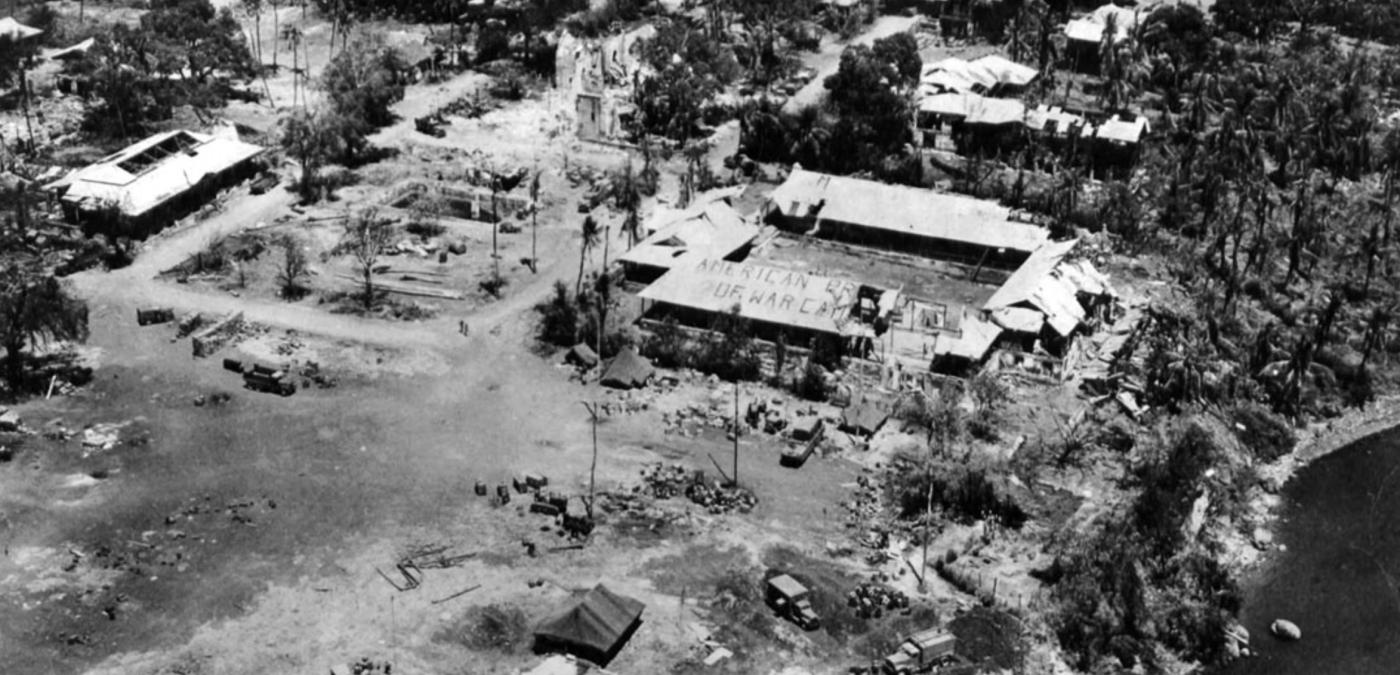
The massacre that took place at the Palawan prisoner-of-war camp in the Philippines during the final months of the Second World War remains one of the most brutal war crimes committed by the Imperial Japanese military. It occurred on 14 December 1944 on the island of Palawan, where American prisoners of war had been held since their capture in the spring of 1942 after the fall of Bataan and Corregidor. The camp was administered by the Japanese 14th Area Army, and direct responsibility for the prisoners rested with units of the Kempeitai and the local garrison. The officer most associated with the atrocity was Captain Yoshikazu Sato, the camp commandant, although other Japanese officers and guards under his authority took part in the killings.
The prisoners were mostly enlisted men and a smaller number of officers of the United States Army, U.S. Army Air Forces, and U.S. Navy. They had been forced into labor for over two years under horrific conditions, constructing airfields, repairing roads, and performing exhausting manual work for their captors. Starvation rations, disease, and beatings had already reduced their numbers and strength long before December 1944.
By late 1944 U.S. forces were advancing rapidly through the Philippines, and Japanese commanders feared that the approach of American forces would allow the prisoners to be liberated. To prevent this, the decision was made to eliminate those held at Palawan. On the morning of 14 December, the Japanese guards ordered the prisoners to gather for what they claimed was an air-raid drill, a routine they had practiced many times. The men were herded into air-raid trenches designed to protect them from bomb blasts. Once the prisoners were inside, the guards opened the massacre with a sudden and coordinated attack. Buckets of gasoline were poured into the trenches and ignited. As flames engulfed the trapped Americans, machine-gun and rifle fire raked the trenches to ensure no one could escape. Many prisoners were burned alive; others who tried to flee the flames were gunned down immediately.
Despite the systematic nature of the killing, a small number managed to escape. Eleven men survived by scrambling down cliffs, hiding in the jungle, or swimming out into the bay under cover of smoke and chaos. Local Filipinos risked their own lives to shield the survivors from Japanese patrols and eventually helped them reach Allied forces. Their eyewitness testimony, combined with the accounts of villagers who had seen or heard the killings, provided the evidence needed to reconstruct the crime once Palawan was liberated.
When American forces retook the island in early 1945, they found the charred remains of nearly all the prisoners. Investigators confirmed that 139 American POWs had been murdered in the massacre. News of the atrocity shocked the U.S. public and military command alike, and it directly influenced the urgency of later rescue missions, including the famous Raid at Cabanatuan and the liberation of other POW camps before retreating Japanese troops could repeat what had been done at Palawan.
After the war, responsibility for the massacre was pursued through war-crimes trials conducted by the United States. Captain Yoshikazu Sato and several of his subordinates were arrested, tried, and convicted for their roles. Some received death sentences; others were sentenced to long terms of imprisonment. Their convictions stood as part of the broader series of postwar tribunals aimed at addressing atrocities throughout the Pacific.
The Palawan massacre remains one of the starkest examples of the deliberate killing of prisoners of war by Japanese forces during the conflict. It stands not only as an account of brutality but also as a testament to the few who survived and the civilians who helped them. Their stories ensured that the massacre would be documented, remembered, and prosecuted, providing a measure of justice for the victims whose lives were taken on that December day in 1944.