On this day in military history…
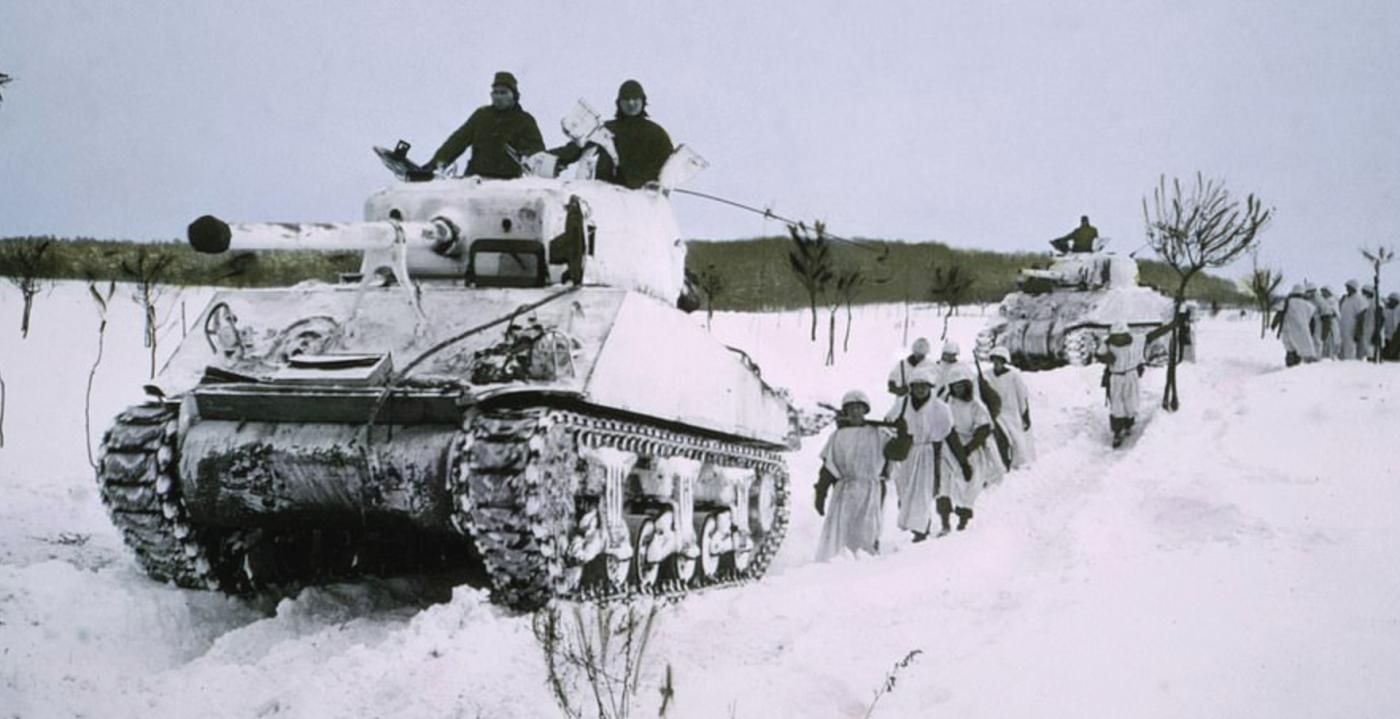
The morning of 16 December 1944 arrived quietly in the Ardennes Forest, a place where many Allied troops believed they had been sent for rest after months of brutal fighting. Snow lay thick between the pines, the sky low and pale, and nothing suggested that within hours the region would erupt into the largest and most ferocious land battle fought by the United States in the Second World War. Known later as the Battle of the Bulge, it was not only the biggest U.S. engagement of the war but also one of the largest tank battles in history, a clash of steel, strategy, and endurance that would shape the final months of the conflict in Europe.
The architect of the German offensive was Adolf Hitler himself, though the detailed planning fell largely to Field Marshal Gerd von Rundstedt and Colonel-General Walter Model. Hitler believed that only a bold, devastating strike could reverse Germany’s declining fortunes. His intention was to smash through the lightly defended Ardennes, divide the British and American forces, capture Antwerp, and force the Allies into negotiating a peace that might preserve some remnant of the Reich. Many of his senior commanders thought the plan unrealistic, but in the rigid hierarchy of the German High Command, Hitler’s word was final.
To achieve this ambitious strike, Germany assembled a massive force: roughly 200,000 soldiers, more than 1,800 tanks and assault guns including Panther and Tiger models, and thousands of artillery pieces. In contrast, the Allies had around 80,000 men in the immediate area, with fewer than 500 tanks, many of which were older Sherman models. The disparity was stark, but the Allies had advantages that were less visible—logistics, air power (once the weather cleared), and an extraordinary ability to adapt under pressure.
Just before dawn on 16 December, the quiet was shattered by a thunderous German artillery barrage stretching across an 80-mile front. Moments later, German infantry poured through the mist, followed by armoured spearheads. The initial shock was devastating. Entire American units were overrun, communications collapsed, and the line bent sharply westward, creating the “bulge” from which the battle would take its name. Some of the most surprising successes of the German plan came from deception: English-speaking German commandos, wearing stolen U.S. uniforms, infiltrated Allied lines to sow confusion by switching road signs, misdirecting convoys, and spreading fake orders. Their operations caused panic far beyond their small numbers.
Yet the Allies did not collapse. Throughout the battle, acts of courage and stubborn resistance slowed the German advance. One of the most famous stands occurred at Bastogne, a crucial road junction held by the U.S. 101st Airborne Division and elements of various other units. Surrounded, low on ammunition, and suffering in the bitter cold, they refused to surrender. When the Germans demanded capitulation, General Anthony McAuliffe of the 101st replied with a single, unforgettable word: “Nuts!” This defiance became symbolic of the American resolve during the darkest days of the offensive.
Weather played an essential role in the unfolding drama. Heavy fog and snow grounded Allied aircraft during the early days, giving German armour a rare opportunity to manoeuvre without fear of air attack. But on 23 December the skies finally cleared, and the change was immediate and catastrophic for Germany. Allied fighter-bombers tore into tank columns, disrupted supply lines, and helped relieve besieged positions like Bastogne. The armour that had once rolled forward with confidence now struggled to move under relentless fire from above.
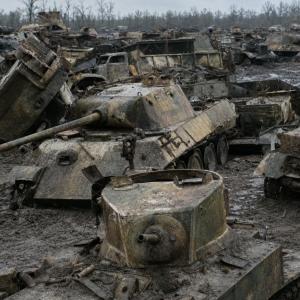
Another interesting fact that shaped the battle was Germany’s crippling shortage of fuel. Many of Hitler’s most advanced tanks were forced to halt not because of enemy action but because they simply ran out of petrol. Abandoned vehicles littered the roads, a stark reminder that planning a grand offensive required more than bold ideas—it required resources Germany no longer possessed.
As more American reinforcements poured into the region—eventually swelling to over 600,000 troops—the balance shifted. By early January 1945 the German advance had stalled completely. The Allies began to push the line back eastward, and by 25 January the bulge had been erased. Germany lost an estimated 100,000 men, along with around 600 tanks and assault guns. The Allies suffered heavily as well, with roughly 90,000 casualties, making it one of the costliest battles they ever fought.
The historical importance of the Battle of the Bulge lies not only in its scale but also in its consequences. It was Hitler’s final major gamble, a last attempt to divide and defeat the Western Allies. Its failure exhausted Germany’s remaining reserves, leaving the Reich fatally weakened as the Allied push toward the Rhine began. The enormous tank clashes, the desperate infantry combat in frozen forests, and the logistical struggle to sustain armies in brutal winter conditions all marked the battle as a turning point in the closing chapter of the war.