On this day in military history…
The first major naval battle of the Second World War took place on 13 December 1939 off the coast of South America and is widely known as the Battle of the River Plate. It was the opening significant clash at sea between Allied surface ships and a German commerce raider, and it became one of the early dramatic stories of the war. Although fought far from Europe, it had a great effect on morale, naval prestige, and international perception of the conflict.
The German ship involved was the heavy cruiser Admiral Graf Spee, a powerful “pocket battleship” designed to outrun stronger ships and outgun faster ones. Armed with six 11-inch guns and commanded by Captain Hans Langsdorff, Graf Spee had been operating in the South Atlantic since the start of the war, targeting Allied merchant shipping but taking care, on Langsdorff’s orders, to avoid unnecessary loss of life. By December 1939, British naval intelligence had pieced together her movements well enough to arrange patrol groups to hunt her down.
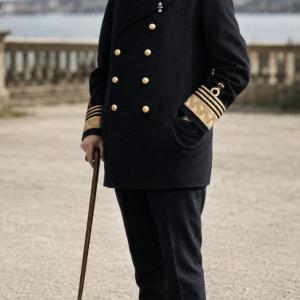
One of those groups, Force G, was operating off the approaches to the River Plate estuary between Argentina and Uruguay. The squadron was commanded by Commodore Henry Harwood aboard the light cruiser HMS Ajax. With him were two other cruisers: HMS Achilles, a Leander-class light cruiser manned largely by the New Zealand Division and captained at the time by Captain Edward Parry, and HMS Exeter, a heavier York-class cruiser commanded by Captain Frederick Secker Bell. Although Exeter carried 8-inch guns, she was still outmatched by Graf Spee’s heavier armament, and all three British/Commonwealth ships lacked the armor of their German opponent.
At dawn on 13 December, Harwood’s squadron sighted Graf Spee. Harwood had anticipated that the German raider might appear in this area because it offered access to busy shipping lanes. He signaled an immediate attack, even though his force was dispersed at the moment of contact. Harwood’s plan was to divide his ships, forcing Langsdorff to split his fire and reducing the effectiveness of Graf Spee’s heavier guns.
The battle opened with Exeter drawing much of the German fire. Early in the fight, Exeter suffered serious damage: her bridge was hit, her captain wounded, and several main gun turrets put out of action. Despite this, the crew continued to fight on under extremely difficult conditions. Ajax and Achilles closed in from another angle, firing rapidly with their 6-inch guns. Though they inflicted less direct damage, their constant pressure and maneuvering helped overwhelm the German ship’s ability to respond effectively.
Graf Spee sustained multiple hits, including damage to her fuel purification systems, which critically limited her range. Langsdorff realized he could not continue the fight indefinitely, nor could he safely return to Germany or reach another friendly port. He steered his ship into the neutral harbor of Montevideo, Uruguay, hoping to make repairs. International law allowed only a brief stay, and days of diplomatic tension followed as Britain exerted pressure to prevent the cruiser’s departure while spreading misinformation to persuade Langsdorff that a stronger British task force was waiting outside.
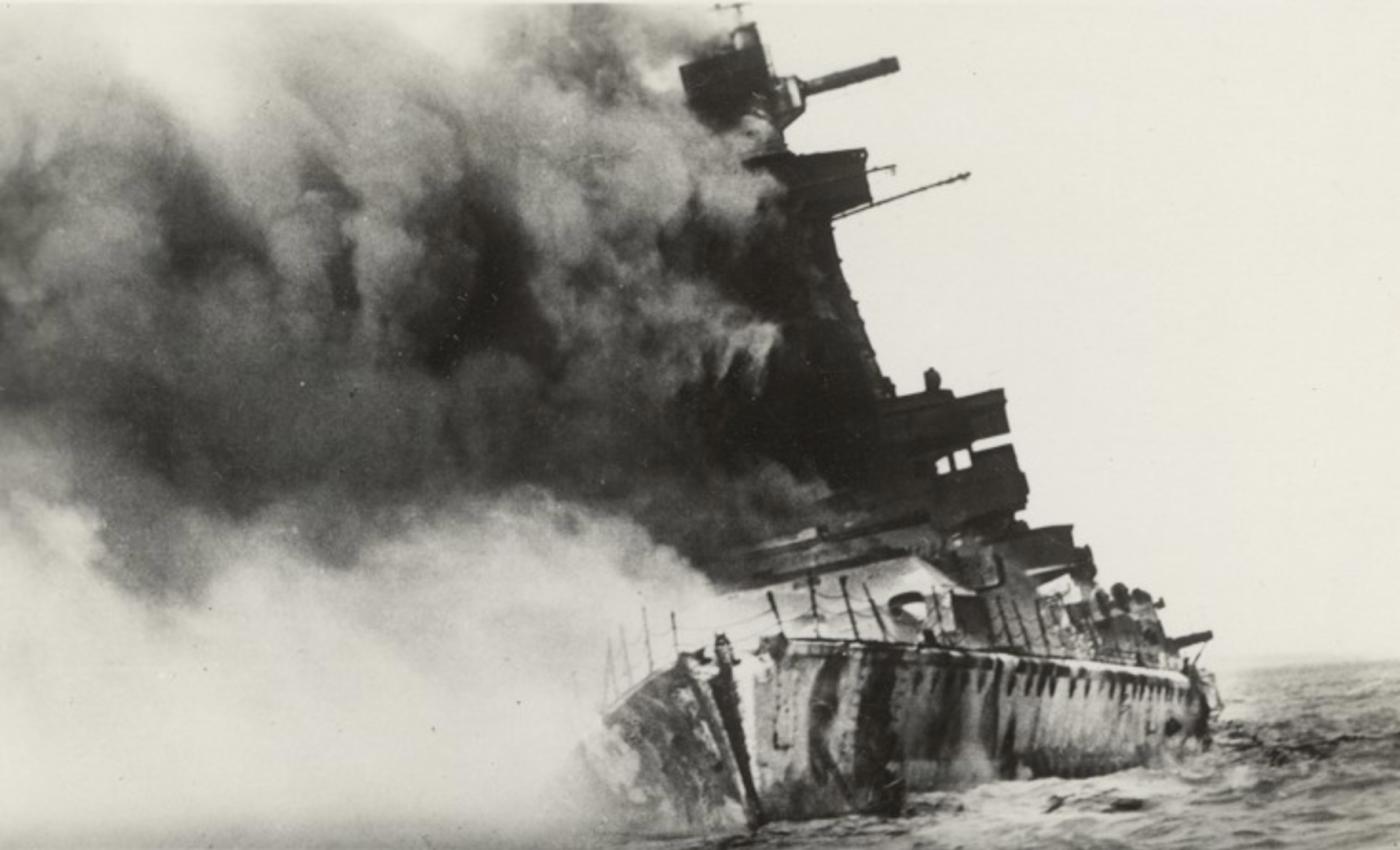
In reality, the British only had Ajax and Achilles immediately available, as Exeter had withdrawn severely damaged. But Langsdorff, convinced he faced an impossible situation, ordered the scuttling of Admiral Graf Spee on 17 December 1939 rather than risk his crew’s lives in what he believed would be a hopeless battle. He later took his own life in Buenos Aires, a decision often interpreted as an act of responsibility toward his men.
The Battle of the River Plate became a significant early propaganda victory for the Allies. It marked the end of one of Germany’s most successful raiders and demonstrated the effectiveness of coordinated naval intelligence and long-range patrolling. The bravery of the crews on Exeter, Ajax, and Achilles gained wide admiration, particularly given the odds they faced against a stronger opponent. The incident also highlighted Langsdorff’s complex reputation: a capable and humane commander who opposed needless killing and adhered closely to maritime traditions even while serving a regime known for its brutality.
For South America, the battle brought the war abruptly to its doorstep, drawing Uruguay and Argentina into global attention as the drama unfolded in their waters and ports. The wreck of Graf Spee still lies just outside Montevideo, where occasional recovery efforts have stirred debate and rekindled interest in this early and unusual naval encounter.