On this day in military history…
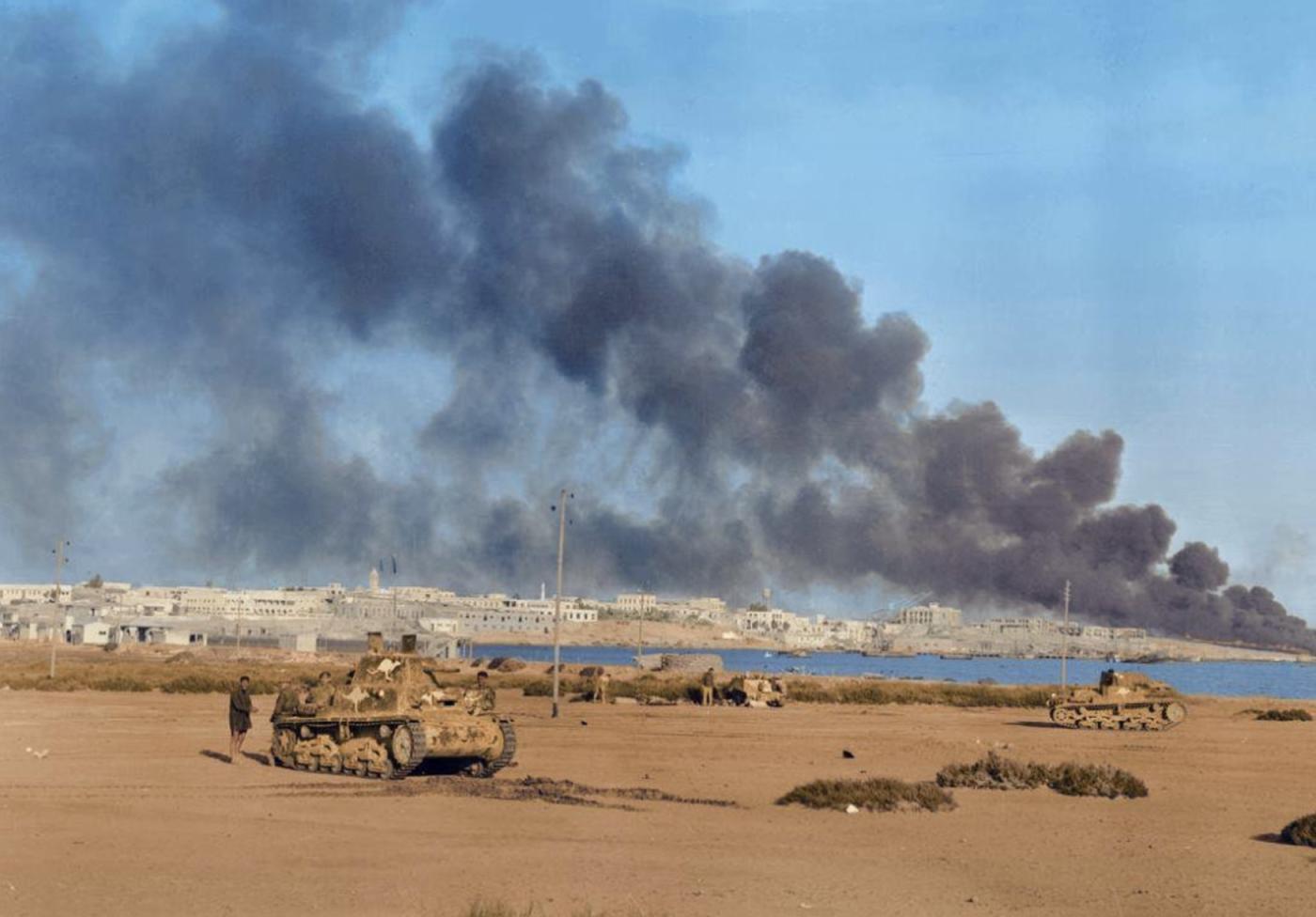
The fighting outside Tobruk on 4 December 1941 marked the moment when the long and bitter struggle for the fortress finally turned in favour of the Allies. After weeks of violent clashes during Operation Crusader, the remaining German and Italian units still clinging to the siege lines made one last determined attempt to re-establish their grip. By the end of the day, that effort had failed, and the Axis forces began withdrawing from the eastern approaches to the port.
Tobruk had been under siege since the spring. Its rugged perimeter, manned by British, Commonwealth and Polish troops, had already repelled repeated assaults. The aim of Operation Crusader was to lift the siege once and for all by linking the fortress garrison with the British Eighth Army advancing from the Egyptian frontier. The plan had worked, but the tenuous corridor opened between Tobruk and the outside forces came under relentless counter-attack from German panzer divisions and Italian infantry. Positions such as Sidi Rezegh, Belhamed and the ridge at Ed Duda changed hands several times as both sides threw in whatever reserves they had left.
By early December the situation for Rommel was becoming untenable. His armoured units had been mauled in repeated engagements and were running dangerously low on fuel. Italian formations holding parts of the line were exhausted and short of ammunition. Even so, he ordered one more strike on 4 December aimed at retaking Ed Duda, a key feature dominating the route into Tobruk. If the ridge could be seized, the narrow supply link to the fortress might be cut again, restoring the siege ring that he had fought so hard to maintain.
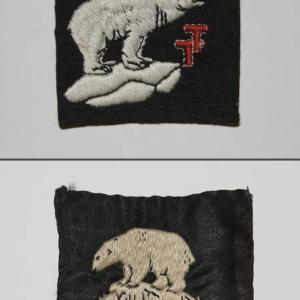
The attack went in at first light. German armour probed along the Tobruk bypass road while infantry tried to dislodge the British defenders from their rocky positions. The men of the 14th Infantry Brigade, supported by well-sited artillery and anti-tank guns, held firm. Tanks from the Tobruk garrison and from the Eighth Army outside overlapped their fields of fire, turning the approaches to the ridge into a killing ground. Despite several attempts, the Germans failed to pierce the line. Their infantry could not gain a foothold, and the dwindling tank force could not risk further losses.
By midday Rommel recognised that the assault had stalled. With pressure mounting from British armoured forces manoeuvring farther south, he abandoned the effort. Orders were issued for the Axis units east and south-east of Tobruk to fall back, giving up the last positions close to the fortress. Over the next nights the remaining troops withdrew westwards to concentrate on a new defensive line. The long-delayed admission had come: the siege could not be restored.
Although fighting continued across the wider desert for days and weeks afterwards, the struggle immediately outside Tobruk was effectively over. For the defenders, it meant the end of months of isolation and relentless bombardment. The port could now function freely as a supply base, easing the next phase of the campaign. For the Axis, the retreat signalled the loss of the initiative. Instead of advancing toward Egypt, they found themselves withdrawing across Cyrenaica in search of stronger ground.
The events of 4 December thus marked a turning-point. What began as a desperate attempt to seal off the fortress ended in a forced withdrawal, the siege irretrievably broken. Tobruk remained in Allied hands, its battered perimeter still intact, while the once-threatening Afrika Korps slipped back toward the west, leaving the battlefield around the fortress abruptly silent after months of savage fighting.