On this day in military history…
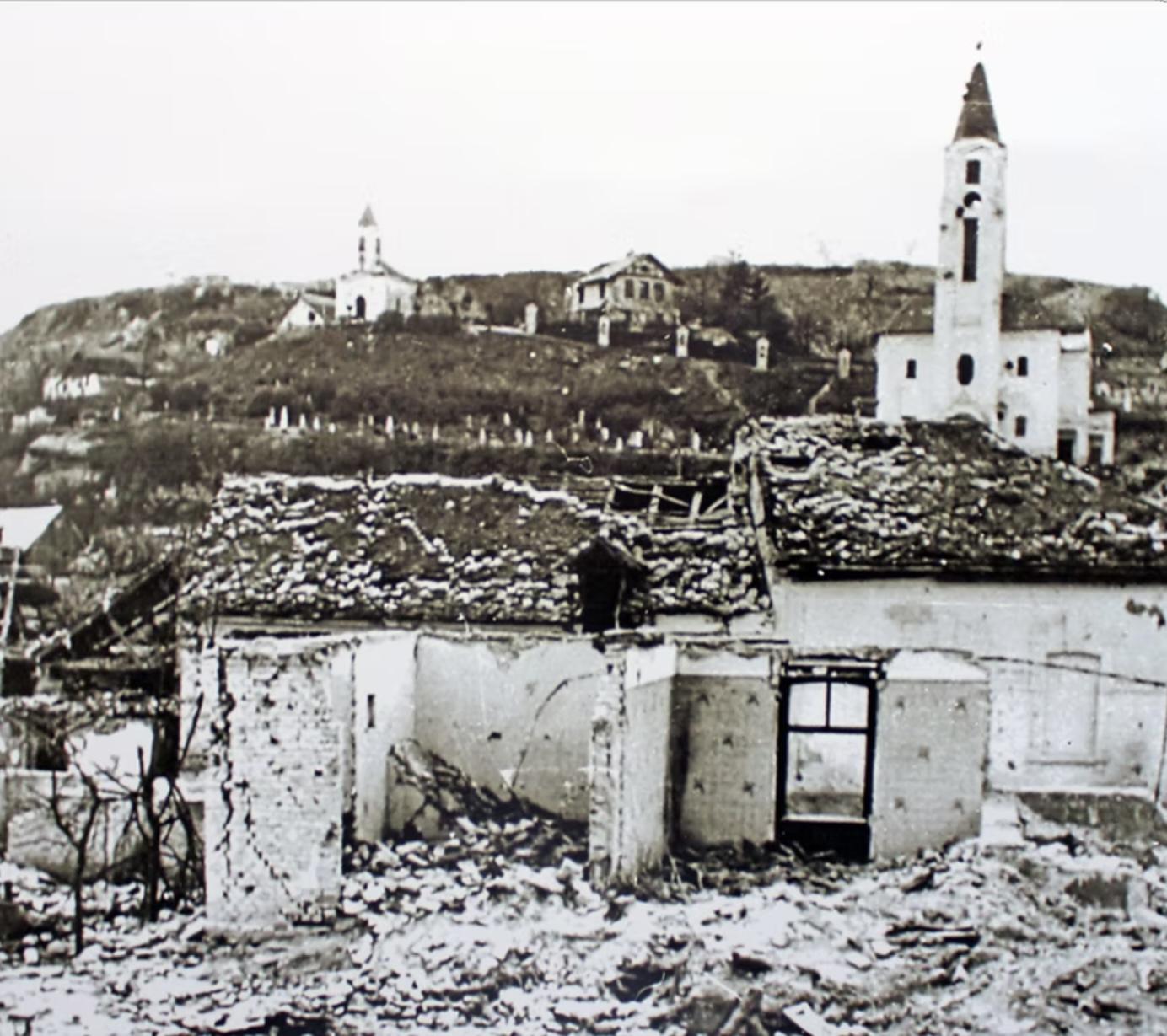
The last day of the Battle of Batina on 29 November 1944 brought to a close one of the largest and most fiercely contested fights in Yugoslavia during the Second World War. The battle pitted the Soviet 57th Army, operating under the wider command of General Fyodor Tolbukhin’s 3rd Ukrainian Front, together with Yugoslav Partisan formations led by Koča Popović, against German and Hungarian forces commanded in this sector by General Maximilian Fretter-Pico. Their struggle centred around the Danube River, which the Germans hoped to use as a major defensive barrier to block any Soviet advance into Hungary.
During nearly three weeks of combat, the riverbank village of Batina and the surrounding high ground were scenes of continuous, close-quarter fighting. For the Germans, the key to their defence lay in a series of ridges and hills dominating the river. When Soviet and Partisan forces succeeded in capturing Hill 169 after repeated assaults, the balance of the battle shifted. Without that vantage point, the Germans lost their best artillery observation position, and their ability to coordinate an effective defence was sharply diminished.
In the days leading up to the final moment, German units were steadily worn down. They had been fighting under constant bombardment, with little rest and dwindling supplies. Reinforcements failed to arrive, and the troops knew that with Belgrade already lost and other fronts collapsing, the larger situation offered no hope of stabilising the line. Meanwhile, the Soviet bridgehead across the Danube grew stronger each day, reinforced with fresh units and heavy guns.
By 29 November, German formations around Batina were no longer capable of holding a coherent defensive line. Isolated pockets attempted to resist, but the pressure from Soviet and Partisan units steadily broke them apart. By late afternoon, the defenders had either withdrawn, surrendered, or been overwhelmed, leaving the entire bridgehead firmly in Allied hands.
What made this final day so significant was not a single dramatic action but the broader consequence of the German collapse. Securing the Danube crossing at Batina gave the Soviets a stable foothold north of the river, allowing them to bring troops, armour, and artillery into the Baranja region without fear of counterattack. This newly opened corridor led directly toward Hungary and placed Soviet forces in a strong position for the coming Budapest offensive. For the Yugoslav Partisans, the victory strengthened cooperation with the Red Army and further weakened German control across northern Yugoslavia.
With the fighting concluded, Batina became more than a battlefield; it became a turning point. The German defence along the southern Danube was broken, the Soviet advance gained fresh momentum, and one of the most intense engagements fought in Yugoslavia had come to its decisive end.