Chenogne massacre
On the first day of a bitter new year in 1945, in the frozen fields near the small Belgian village of Chenogne, a grim and long-overlooked episode of the Second World War took place. The Chenogne massacre occurred on January 1, 1945, during the final phase of the Battle of the Bulge, and involved American soldiers killing German prisoners of war after they had surrendered. Though far less known than other wartime atrocities, it stands as a stark reminder of how the violence, exhaustion, and rage of frontline combat could overwhelm discipline and the laws of war.
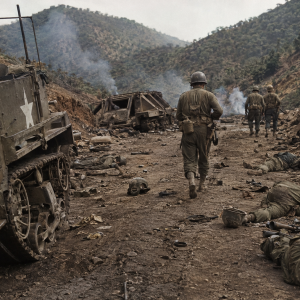
Chenogne lies in the Ardennes region of Belgium, an area of forests, hills, and narrow villages that became the focus of intense fighting when Germany launched its surprise winter offensive in December 1944. The village itself was badly damaged by repeated clashes, artillery fire, and shifting front lines as American forces fought to stop and then push back the German advance. By late December, conditions were brutal: deep snow, freezing temperatures, heavy casualties, and constant pressure weighed heavily on soldiers on both sides.
The emotional background to what happened at Chenogne is closely tied to events just weeks earlier. On December 17, 1944, during the opening days of the Battle of the Bulge, German Waffen-SS troops murdered American prisoners of war near Malmedy. News of that massacre spread rapidly through U.S. units and had a profound effect on morale and attitudes toward the enemy. Many American soldiers became convinced that German troops, especially those associated with elite or SS units, would show no mercy, and a desire for revenge took hold. Although no formal written orders were issued to kill prisoners, the atmosphere on the front lines increasingly discouraged taking captives.
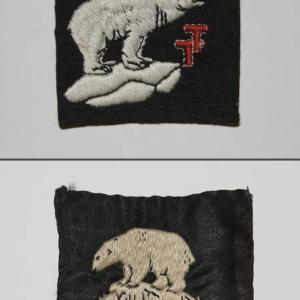
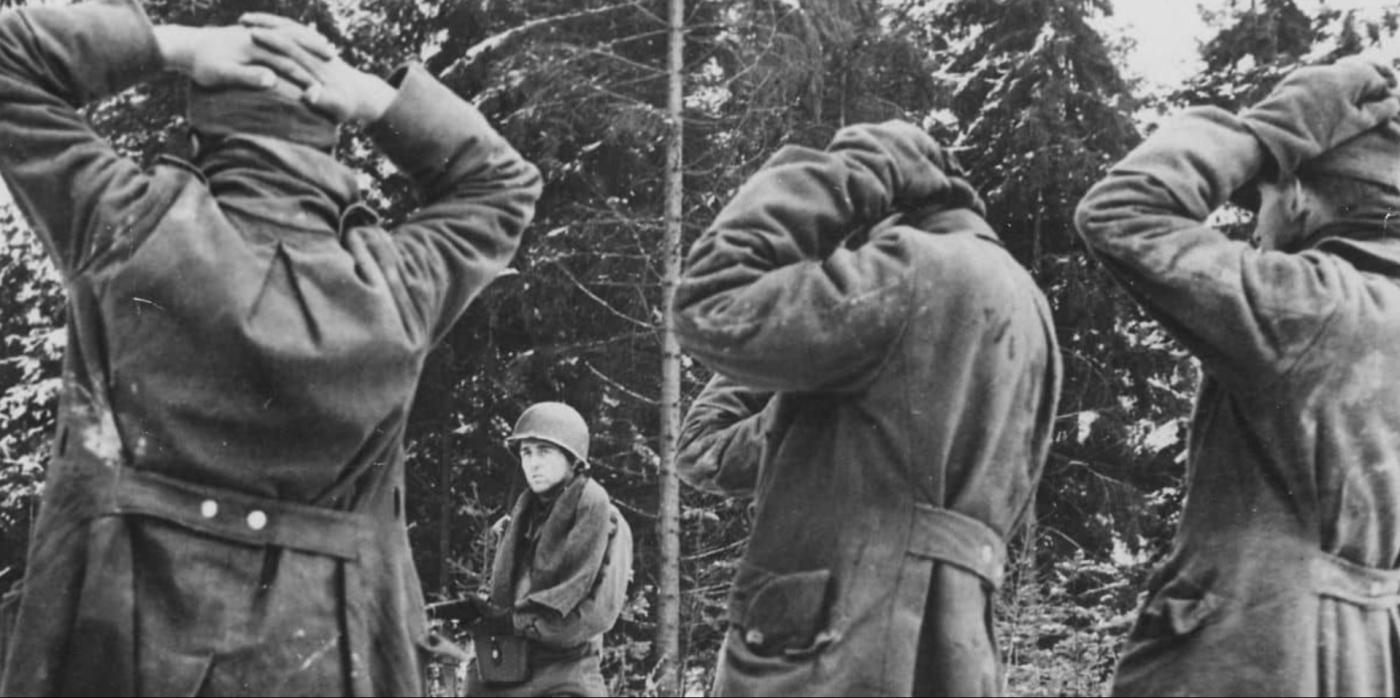
In the early hours of January 1, 1945, elements of the U.S. 11th Armored Division captured a group of German soldiers near Chenogne. These men, drawn from German units fighting in the area, had surrendered and were unarmed. Instead of being processed as prisoners of war, they were gathered together in a field outside the village. According to later testimonies and historical research, American soldiers opened fire on them with machine guns. Estimates of the number of victims vary, but most accounts place the figure at around 60 German prisoners killed, with some estimates going higher. The killings were swift and left no survivors among the captured group.
What makes the Chenogne massacre particularly troubling is that it was not the result of a sudden firefight or confusion in battle, but a deliberate execution of prisoners. Eyewitness accounts describe soldiers lining up captives and shooting them in cold blood. The act reflected the accumulated fury, fear, and desire for retribution that had built up during weeks of brutal combat in the Ardennes, but it also represented a clear violation of the Geneva Conventions and U.S. military law.
After the killings, word of the incident did reach higher levels of command. Supreme Allied Commander Dwight D. Eisenhower was reportedly disturbed and called for an investigation, recognizing that such actions, if proven, were serious war crimes. However, the investigation was half-hearted and ultimately went nowhere. Officers and soldiers involved were unwilling to cooperate, and senior commanders were reluctant to pursue the matter while the war was still ongoing. With the Allied focus on defeating Germany as quickly as possible, the case was quietly dropped. No American soldier was ever charged or punished for the massacre.
In the years after the war, the Chenogne massacre faded into obscurity. Unlike German atrocities against Allied prisoners and civilians, which were widely publicized and prosecuted, crimes committed by Allied forces received far less attention. The victims at Chenogne were German soldiers, and in the context of Nazi crimes on a massive scale, their deaths were often seen as an uncomfortable footnote rather than a subject for public reckoning.
Only decades later did historians and journalists begin to revisit the incident, drawing on wartime records, memoirs, and interviews to reconstruct what happened. Today, the massacre is increasingly cited in discussions about the moral complexity of war and the reality that no side is immune to committing atrocities.