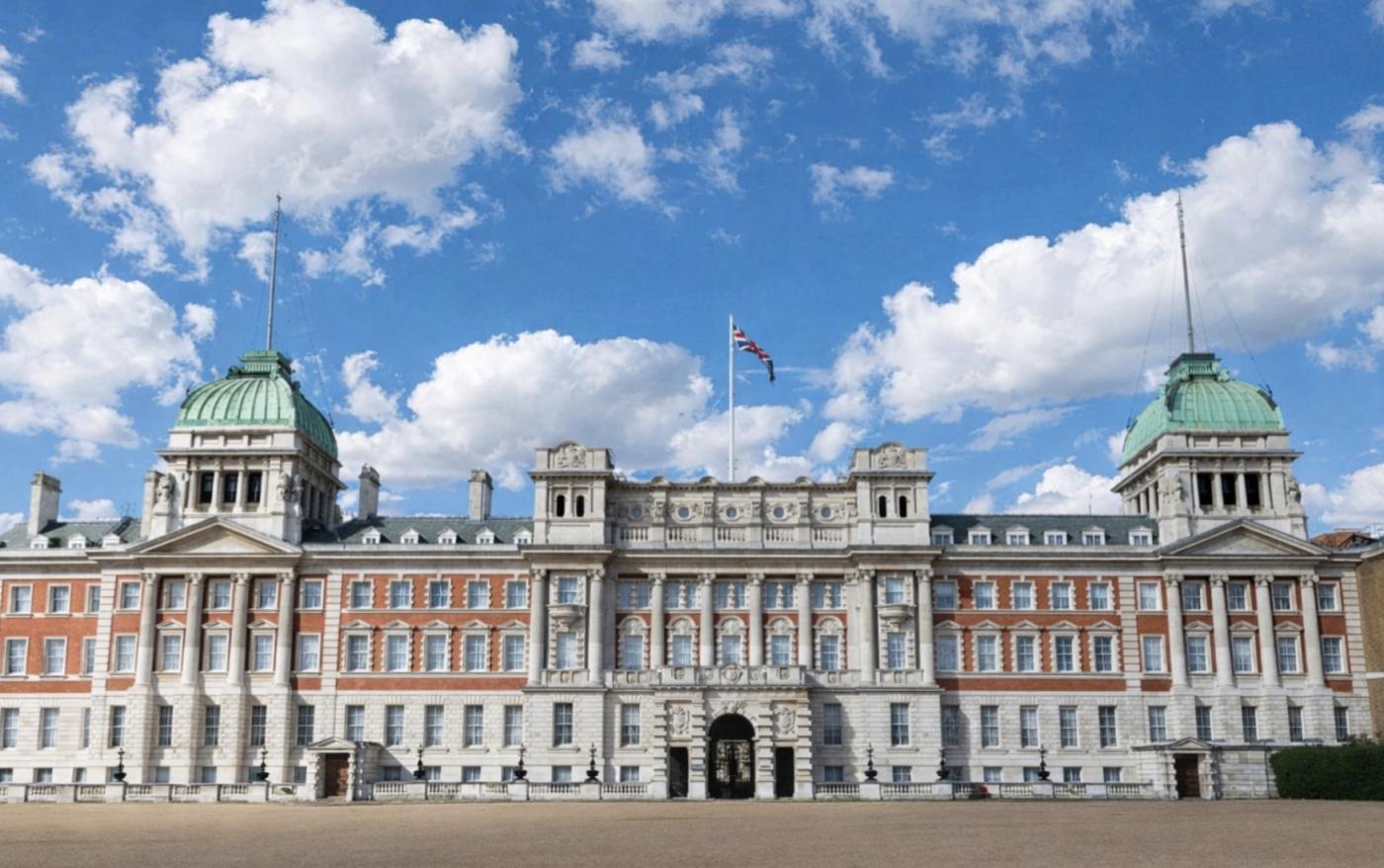
British Intelligence Room 40
It was one of the most secret and influential intelligence operations of the First World War, yet for years after the conflict it remained largely unknown. Working from a single office in the Old Building of the British Admiralty in London, it became the centre of British naval intelligence and codebreaking, quietly shaping key events of the war.
The section was formed soon after war broke out in August 1914. Britain at that time had no organised system for breaking enemy codes, but an early stroke of luck changed everything. When the German cruiser SMS Magdeburg ran aground in the Baltic Sea, Russian forces recovered German naval codebooks and shared them with Britain. This gave the Admiralty an immediate advantage. The Director of Naval Intelligence, Henry Oliver, then approved the creation of a small codebreaking unit.
In its early days, the operation was small and somewhat improvised, with fewer than a dozen staff. These included naval officers, linguists, and academics. One of the leading figures was Alfred Ewing, a scientist who helped guide the early work. As the war continued, the unit expanded rapidly. By 1917, it had grown to more than 800 personnel, although many worked in intercept stations and support roles outside London.
The work itself was slow and highly detailed. German signals were intercepted by listening stations across Britain and beyond, then sent to London for analysis. Messages, often in Morse code, were decrypted by hand using captured codebooks, pattern recognition, and language skills. With no machines to assist them, the staff relied entirely on patience and careful reasoning.
A notable feature of the unit was its mix of personnel. Many recruits came from universities such as Oxford and Cambridge. Historians, linguists, and mathematicians proved especially useful, as their skills helped identify patterns in coded messages. This blend of academic knowledge and military need was new at the time and later influenced intelligence work in future conflicts.
The intelligence produced was often crucial. Decrypted messages revealed German naval plans and movements, allowing the Royal Navy to prepare responses. Before the Battle of Jutland in 1916, intercepted signals showed that the German fleet was preparing to sail, giving Britain an important warning.
Its most famous success came in 1917 with the Zimmermann Telegram. This message, sent by German Foreign Secretary Arthur Zimmermann, proposed an alliance with Mexico against the United States. British codebreakers decoded it and passed it to the government, which later shared it with the Americans. When published, it caused outrage and helped bring the United States into the war.
Strict secrecy surrounded all of this work. The Admiralty carefully protected the fact that German codes had been broken. In some cases, intelligence had to be used cautiously or even withheld to avoid revealing the source.
By the end of the war, this small office had proven the value of signals intelligence. Its success showed that information could be as powerful as weapons, and it laid the foundations for future British intelligence organisations.