11th Bombing Raid of Berlin
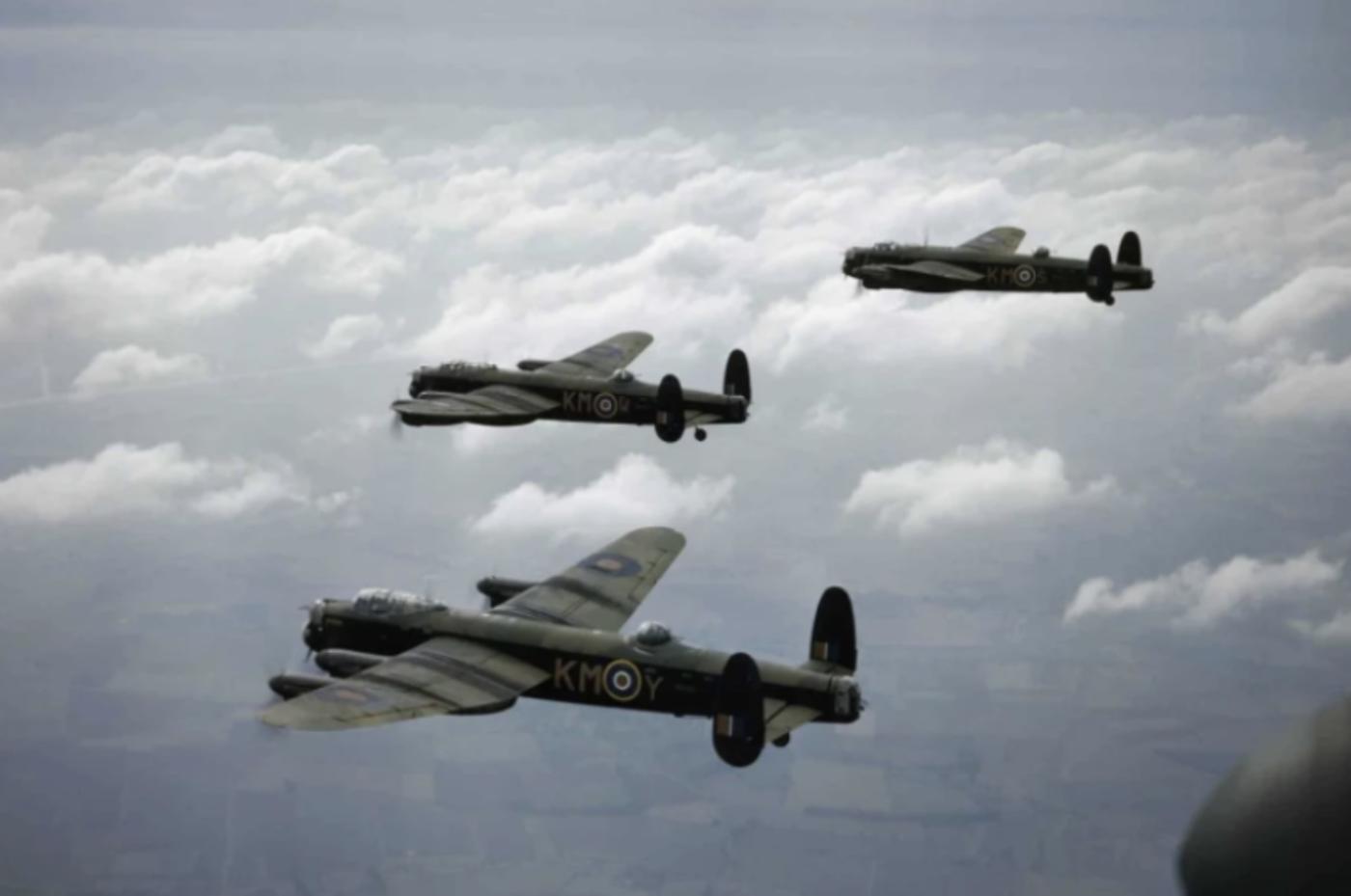
The eleventh major RAF night raid of the Battle of Berlin took place in the closing hours of 28 January and the early morning of 29 January 1944, at a moment when both Bomber Command and the German air defences had settled into a grimly efficient rhythm. By this point the long winter offensive against the German capital had already seen ten heavy blows delivered since November, and the city’s civil defence, flak batteries and night-fighter control system were all operating at full stretch. Even so, Air Marshal Arthur Harris committed one of the largest forces yet assembled for a single Berlin attack: roughly seven hundred aircraft, predominantly Avro Lancasters and Handley Page Halifaxes with a smaller number of de Havilland Mosquito pathfinders, lifting off from airfields across eastern England and pouring toward the German heartland.
The scale of the effort was enormous. About 2,300 tons of bombs were loaded, a carefully balanced mix of high-explosive weapons to smash roofs, water mains and firebreaks, and vast quantities of incendiaries intended to exploit the winter dryness and ignite fires that would overwhelm the city’s firefighting services. This combination had been refined over years of area bombing: high explosives first to open buildings and rupture infrastructure, then waves of incendiaries to turn exposed interiors into kindling. Crews knew from experience that Berlin’s dense tenements, timber roofs and coal-filled cellars made it especially vulnerable once fires took hold.
The attack followed the now-standard Bomber Command pattern. Mosquitoes of the Pathfinder Force raced ahead to mark the aiming point with coloured flares, using H2S ground-mapping radar and visual fixes when cloud allowed. Main-force bombers then homed in on these markers, their bomb aimers trying to place their loads into the growing carpet of explosions and flames. German defences responded with everything they had. The Kammhuber Line of radar stations and control centres vectored night-fighters toward the bomber stream, while the ring of heavy flak around Berlin threw up towering cones of shell bursts that rocked aircraft and shredded wings with jagged fragments.
One of the striking features of this raid, and of the Battle of Berlin as a whole, was how technology and tactics were locked in constant duel. The RAF used Window, strips of aluminium foil dropped in clouds to confuse radar, and flew in long, dense streams to saturate German interception capacity. The Luftwaffe countered with improved airborne radar sets, upward-firing Schräge Musik cannon and more aggressive fighter control. The result was a night sky filled with unseen pursuers, tracer arcs and the sudden blossom of aircraft exploding when hit, sights that left a deep impression on surviving crews.
Over Berlin the bombing built into a massive conflagration. Whole districts were lit by the orange glow of fires, visible for miles, and the rising columns of hot air created their own winds, drawing in oxygen and scattering burning debris. Reports from the city afterwards spoke of streets blocked by rubble, tramlines twisted, and thousands of homes gutted. Rail facilities, factories and government buildings in the targeted areas suffered heavy damage, further complicating an already strained wartime economy.
The cost to Bomber Command was severe. The Battle of Berlin proved to be one of the bloodiest episodes of the entire strategic bombing campaign, and this eleventh raid was no exception. Dozens of aircraft failed to return, meaning hundreds of airmen killed or taken prisoner in a single night. Many were lost to night-fighters stalking the bomber stream on the way to and from the target, while others fell to flak over the city or crashed on the long return flight when damaged machines ran out of fuel.
Despite the losses, the raid demonstrated the RAF’s ability to mount sustained, very large-scale operations deep into Germany in the heart of winter. It also revealed the limits of even the most heavily defended city when faced with such concentrated air power. Berlin did not break, but the cumulative impact of raids like this one forced the German authorities to divert immense resources to air defence, firefighting and reconstruction, resources that could otherwise have gone to the front lines.
There were also quieter, human moments woven through the statistics. Some bomber crews noted the eerie beauty of the burning city beneath them, a terrible contrast to the danger they were in. Others remembered the long, tense hours over enemy territory, the rattle of flak on fuselages, and the relief of finally seeing the dark outline of the English coast on the way home. For the people of Berlin, it was another night of terror, huddled in shelters while their city shook and burned.