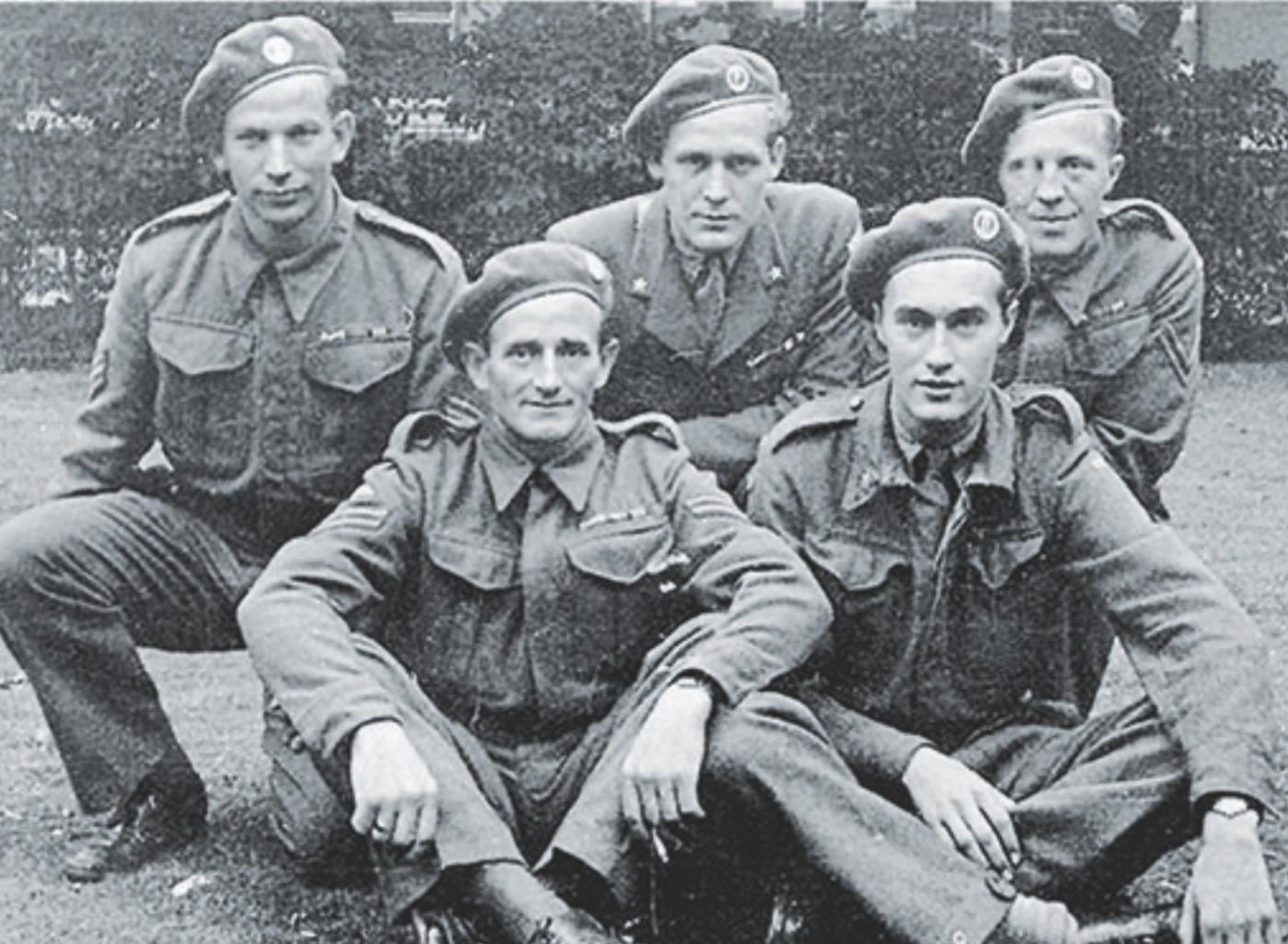
WW11 Norwegian Commandos
During World War II, a specialized group of Norwegian commandos played a significant role in the Allied efforts against Nazi Germany, primarily in raids and sabotage operations along the Norwegian coast. These commandos were formed in response to the German occupation of Norway in 1940, which left many Norwegian military personnel either captured, stranded abroad, or seeking ways to continue the fight alongside the Allies. The unit, known as Norwegian Independent Company 1, or Kompani Linge after its first commander, became the central force for Norwegian special operations during the war.
Kompani Linge was officially formed in 1941 under the auspices of the British Special Operations Executive (SOE), an organization created to conduct espionage, sabotage, and reconnaissance in occupied Europe. The unit was composed largely of Norwegians who had escaped to Britain after the fall of Norway. Recruitment focused on men with military experience, mountaineering skills, or familiarity with the rugged Norwegian terrain, as their operations often required exceptional physical endurance and knowledge of local conditions. Initial training for the unit was conducted in the United Kingdom, primarily at a secret SOE facility in Lochailort, Scotland, where operatives received instruction in explosives, hand-to-hand combat, navigation, clandestine communication, and survival in extreme conditions. Advanced training also included parachute drops and amphibious operations.
The unit was named after its first commander, Captain Martin Linge, a Norwegian actor turned soldier who had served in the Norwegian Army and then escaped to Britain to continue the fight. Linge was instrumental in shaping the early organization and training of the commandos, emphasizing courage, initiative, and adaptability. Tragically, he was killed during Operation Archery, a raid on the German-occupied port of Vågsøy in Norway in December 1941. His leadership and death became symbolic for the unit, solidifying Kompani Linge's reputation for daring and determination.
Throughout the war, Kompani Linge operated in small teams, often working behind enemy lines in Norway. Their missions included sabotage of key infrastructure such as railways, factories, and communication centers, as well as gathering intelligence to support larger Allied operations. The most famous mission undertaken by the unit was the heavy water sabotage at the Vemork plant in Telemark, which was crucial to preventing Nazi Germany from developing nuclear weapons. These operations were carried out under extreme danger, often in harsh weather conditions, and required precise coordination with the British SOE and Norwegian resistance groups.
The size of Kompani Linge remained relatively small due to the specialized nature of their missions. Estimates suggest that the unit numbered around 300 to 500 men over the course of the war, with only a portion active at any one time on operations. Despite their limited numbers, their impact was significant due to the high-profile nature of their raids and the morale boost they provided to both Norwegian civilians and Allied forces.
After the war, Kompani Linge was formally disbanded, but its legacy lived on in Norway and the United Kingdom. Many veterans of the unit went on to serve in Norway’s postwar military or security services, while the traditions and methods of the commandos influenced the formation of Norway’s modern special forces, including the Forsvarets Spesialkommando (Norwegian Special Operations Command). Commemorations of the unit and its members continue in Norway, particularly in memorials and museums dedicated to World War II resistance efforts. Martin Linge himself was posthumously honored, and the unit's exploits remain a source of national pride, illustrating how a small group of highly trained commandos could exert a disproportionate influence on the war effort.
Kompani Linge’s story highlights the fusion of courage, skill, and strategic vision that defined many resistance and special operations units during World War II. Their operations not only disrupted German military capabilities but also maintained a symbol of Norwegian defiance, inspiring subsequent generations of soldiers and operatives. The combination of British training, Norwegian determination, and innovative tactics made the unit a uniquely effective force in the Allied campaign.