Stalag 111 Museum
Hidden in the quiet countryside of western Poland lies one of the most famous prisoner-of-war sites of the Second World War. Today the area that once held Stalag Luft III is home to the Great Escape Museum at Stalag Luft III, a place where history feels remarkably close. For visitors interested in wartime history, aviation heritage, and the extraordinary stories of human determination, the site offers a powerful journey into one of the most daring escape attempts ever carried out by Allied prisoners.
Stalag Luft III was originally built by the German Luftwaffe to house captured Allied airmen. The camp was designed specifically to prevent escapes, with deep sandy soil that made tunnelling difficult and guard towers that gave a clear view across the compound. Despite these precautions, the camp became famous for the determination of its prisoners, many of whom were skilled engineers, pilots, and navigators. Their creativity and teamwork eventually led to the legendary escape attempt in March 1944 that later became known as “The Great Escape.”
As visitors explore the exhibition areas today, they are quickly drawn into the atmosphere of the camp and the lives of the men who were imprisoned there. Displays include detailed models of the prisoner compounds, showing how the camp was laid out and how closely it was guarded. These exhibits help visitors understand why tunnelling out of the camp required such careful planning and incredible secrecy.
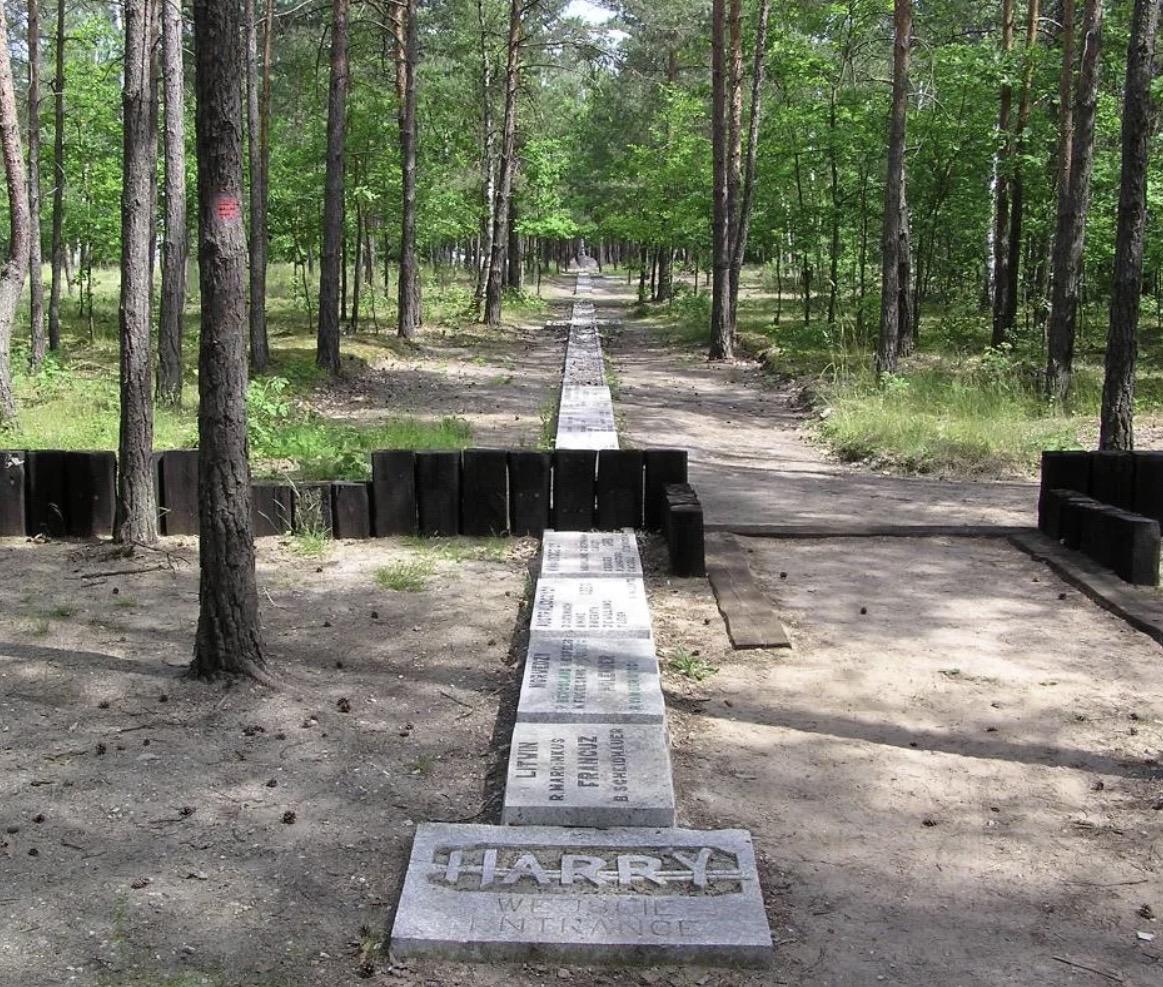
One of the most fascinating sections focuses on the escape tunnels themselves. The prisoners secretly constructed three tunnels, known by the names Tom, Dick, and Harry. Visitors can see reconstructions and diagrams explaining how these tunnels were dug beneath the camp. The displays reveal the improvised tools used by the prisoners, many of which were made from everyday items such as tin cans, bed boards, and pieces of metal scavenged from around the compound. Seeing these simple tools up close gives a real sense of the determination and ingenuity that made the escape possible.
Another display highlights the ingenious methods used to remove and hide the sand dug from the tunnels. Prisoners filled small bags hidden inside their trousers and scattered the sand discreetly around the camp during exercise periods. These trousers, often called sand dispersal trousers, are recreated so visitors can see exactly how they worked and how carefully the prisoners had to move around the camp without drawing attention.
One of the most memorable things visitors encounter is the recreation of a prisoner barrack interior. Stepping into this reconstructed hut gives a strong impression of what daily life was like for the captured airmen. Wooden bunk beds line the walls, closely packed together just as they were during the war. Personal items, small improvised shelves and basic furnishings show how the prisoners tried to create some sense of normal life despite their confinement.
Inside the barrack display, visitors can see a small cast-iron stove similar to the type that once stood in the huts. These stoves were essential for heating during the harsh winters and were also used for cooking simple meals. Around the stove area are examples of improvised cooking equipment and utensils, demonstrating how prisoners used whatever materials they could find to make life a little more comfortable.
Nearby displays show examples of everyday objects used by prisoners in the camp. These include handmade tools, improvised compasses, and small items crafted from scrap materials. Some prisoners even made games and small personal keepsakes to help pass the time. These simple objects reveal another side of camp life, showing how creativity and resourcefulness helped prisoners maintain morale.
Another fascinating display explains how prisoners secretly forged documents needed for escape attempts. Visitors can see examples of fake identity papers, stamps, and printing equipment that were carefully hidden inside the camp. There are also examples of civilian clothing that prisoners secretly made so that escapees could blend in once outside the camp.
Maps and compasses are also part of the exhibition, demonstrating how escape planners prepared for the long journey home. Many of these items were cleverly hidden in everyday objects such as playing cards or clothing. Seeing how these tools were designed and concealed gives visitors an appreciation for the level of planning involved.
The site also tells the personal stories of many of the men involved. Photographs, letters, and wartime documents help bring the individuals behind the escape to life. Visitors learn about the organisation within the camp, where prisoners formed committees responsible for tunnelling, forging documents, tailoring civilian clothes, and creating maps and compasses. The level of coordination was remarkable and shows how hundreds of prisoners worked together to support the escape attempt.
A particularly moving part of the exhibition recounts the night of the escape itself. In March 1944, seventy-six Allied airmen managed to crawl through the tunnel named Harry and reach the forest beyond the camp. Unfortunately, most were later recaptured. Fifty of them were executed by the Gestapo on the direct orders of Adolf Hitler, making the escape not only a story of bravery but also a tragic reminder of the brutality of war.
The site honours those who lost their lives and provides visitors with a deeper understanding of their courage. Memorial displays, plaques, and personal stories ensure that the memory of the escape and the men involved continues to be remembered.
Outside the main exhibition building, visitors can explore the surrounding forested area that once contained the prison camp itself. Although most of the original wooden barracks have long since disappeared, parts of the camp layout remain visible. Information boards help visitors imagine where the compounds, guard towers, and tunnel exits once stood.
Walking through these quiet woods can be a powerful experience. It is easy to picture the prisoners secretly working beneath the ground, risking everything in the hope of reaching freedom. The landscape itself has become part of the story, preserving the setting where one of the most remarkable escape attempts in history took place.
Visitors will also find information explaining the broader experience of prisoners of war during the conflict. Displays explore daily life inside the camp, including the role of Red Cross parcels, prisoner entertainment, and the importance of maintaining morale. It reveals how prisoners organised lectures, theatre productions, and even sporting competitions to help cope with the long months of captivity.
For aviation enthusiasts, there is additional insight into the Allied air forces whose crews were imprisoned here. Displays explain the types of aircraft flown by the prisoners and the missions they carried out before being captured. This helps visitors understand who these men were before they arrived at Stalag Luft III and why their determination to escape was so strong.
Throughout the site, the emphasis is on storytelling. Rather than simply presenting objects, the displays connect visitors with the experiences of the individuals who lived through the events. By combining artefacts, photographs, models, and personal accounts, the experience creates a vivid picture of life inside the camp and the extraordinary ingenuity of the prisoners.
The Great Escape Museum at Stalag Luft III is therefore much more than a historical attraction. It is a place of remembrance and reflection, where visitors can learn about courage, resilience, and the human spirit under extreme circumstances. Standing on the ground where these events unfolded adds a powerful sense of realism that cannot be found in books or films alone.
For anyone with an interest in the Second World War or the famous escape story that inspired books and films, a visit offers a fascinating and moving experience. Seeing the recreated barracks, the stove that once warmed the huts, the tools used to dig the tunnels, and the objects created by prisoners themselves makes the history feel real in a way that books alone cannot capture.
For full information on its location please visit our museum finder guide in our places to visit.