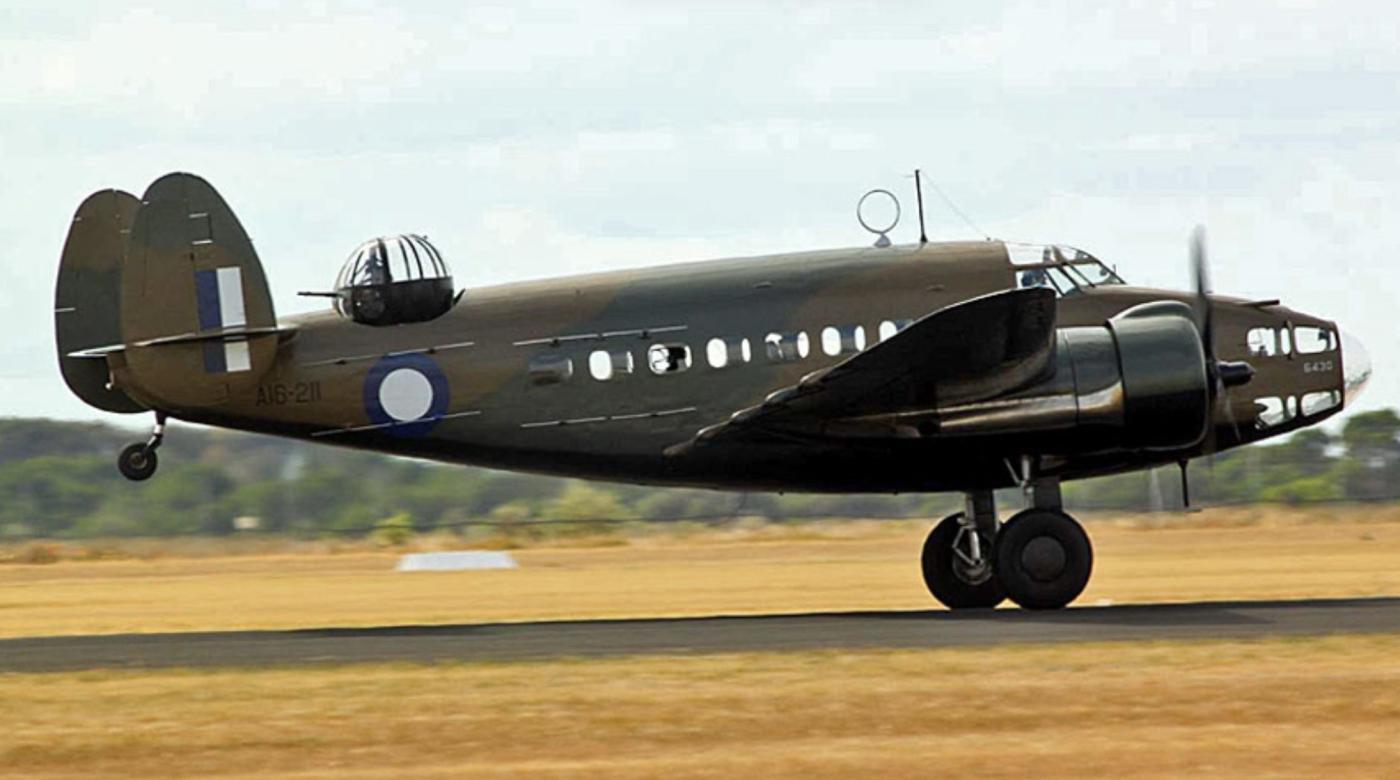
Hudson Plane
The twin‑engined military aircraft was used extensively during the Second World War in roles ranging from light bomber and maritime patrol to reconnaissance, transport, anti‑submarine warfare, and air‑sea rescue. It originated from a civilian design, being a military adaptation of the Lockheed Model 14 Super Electra passenger aircraft. The conversion was driven by a British requirement in 1938, and the design is credited primarily to American aeronautical engineer Clarence “Kelly” Johnson, then working for the Lockheed Aircraft Corporation. The first prototype was completed at remarkable speed, flying for the first time on 10 December 1938, and the initial batch was contracted by the British before the outbreak of war as one of the earliest American contributions to Allied air power.
Lockheed, based in Burbank, California, was the manufacturer responsible for its construction. Prior to this contract, the company had limited experience with large military orders, and the Royal Air Force’s requirement represented the largest overseas contract it had ever received up to that point. Production continued from late 1938 until May 1943, and by the time manufacturing ended a total of 2,941 units had been built.
The aircraft’s roles were varied and reflected the needs of Allied air services throughout the war. Its first and most prominent use was with RAF Coastal Command, where it was deployed in maritime patrol and anti‑submarine duties, guarding Atlantic convoys and searching for enemy submarines. It also carried out long‑range reconnaissance, escorted convoys, dropped agents and supplies behind enemy lines for special operations units, performed air‑sea rescue missions (in some cases carrying airborne lifeboats to aid downed airmen), and served as a light bomber during early campaigns such as the evacuation at Dunkirk and strikes against enemy shipping. As the war continued and more advanced aircraft became available, later examples were used for training, VIP and transport duties, and other secondary tasks.
Typical crew size was around five or six personnel, depending on role and variant. This generally included a pilot, navigator/bombardier, radio operator, and gunners. Some versions also carried additional crew for observation or specialized tasks.
Armament was modest by bomber standards but suited to patrol and light attack roles. Early versions like the Mk I were equipped with four .303‑in (7.7 mm) Browning machine guns: two fixed forward‑firing guns in the nose and two in a Boulton‑Paul dorsal turret. Some later marks added further gun positions such as ventral or beam mounts and could carry up to around 1,400 lb (635 kg) of bombs or depth charges internally for anti‑submarine work. Other configurations sometimes included rockets or variations in armament based on the specific mission.
Performance varied by mark and engine fit, but a typical early Mk I had a maximum speed of about 246 mph (396 km/h) and a range approaching 1,960 miles (approximately 3,150 km), giving it the endurance needed for extended maritime patrols. Wingspan was around 65 ft 6 in (19.95 m) with a length of roughly 44 ft 4 in (13.5 m).
The aircraft earned distinction during the war for several notable achievements. It was the first American‑designed plane to shoot down an enemy aircraft while operating from bases in Britain, engaging a German aircraft in 1939. Coastal Command units were also involved in actions that forced U‑boats to surface and surrender, marking some of the first captures of enemy submarines by air patrols. Its versatility and reliability led to service not just with the RAF but also with the Royal Canadian Air Force, Royal Australian Air Force, United States Army Air Forces, United States Navy (as the PBO‑1), and other Allied air arms.
Although by later wartime years more advanced long‑range patrol aircraft had entered service, it continued in secondary and support roles until the end of the war and even beyond in some reserve and training functions. Today, only a handful survive in museums and a very small number are maintained in flying condition as rare examples of this important Allied aircraft.