Hitler targets merchant ships
In February 1940, Adolf Hitler formally extended Germany’s naval war by declaring that merchant shipping would no longer be treated as civilian traffic but as legitimate military targets, effectively placing cargo vessels in the same danger category as enemy warships. This decision marked a decisive hardening of Germany’s approach at sea and pushed the conflict toward what became a fully developed struggle for survival between Britain and Germany on the oceans.
The background to this decree lay in the strategic reality Germany faced by early 1940. Britain’s power rested heavily on overseas trade. As an island nation, it depended on food, fuel, raw materials, and troops arriving by sea, protected by the Royal Navy. Hitler and the German naval leadership understood that Germany could not match Britain ship for ship on the surface, but it could attempt to strangle Britain economically by severing its maritime lifelines. The German navy, the Kriegsmarine, had already begun submarine operations in the Atlantic at the outbreak of war, but these were initially constrained by international prize rules that, at least on paper, required warnings and safeguards for crews.
By early 1940, those constraints were increasingly seen in Berlin as unrealistic and dangerous. British merchant vessels were being armed with deck guns, trained to ram submarines, and increasingly integrated into convoy systems coordinated with naval escorts. From the German perspective, this blurred the line between civilian and military shipping. Hitler seized on this argument to justify abandoning the traditional distinction altogether. If merchant ships were contributing directly to Britain’s war effort and acting defensively or offensively against submarines, then, in German reasoning, they had forfeited any claim to civilian protection.
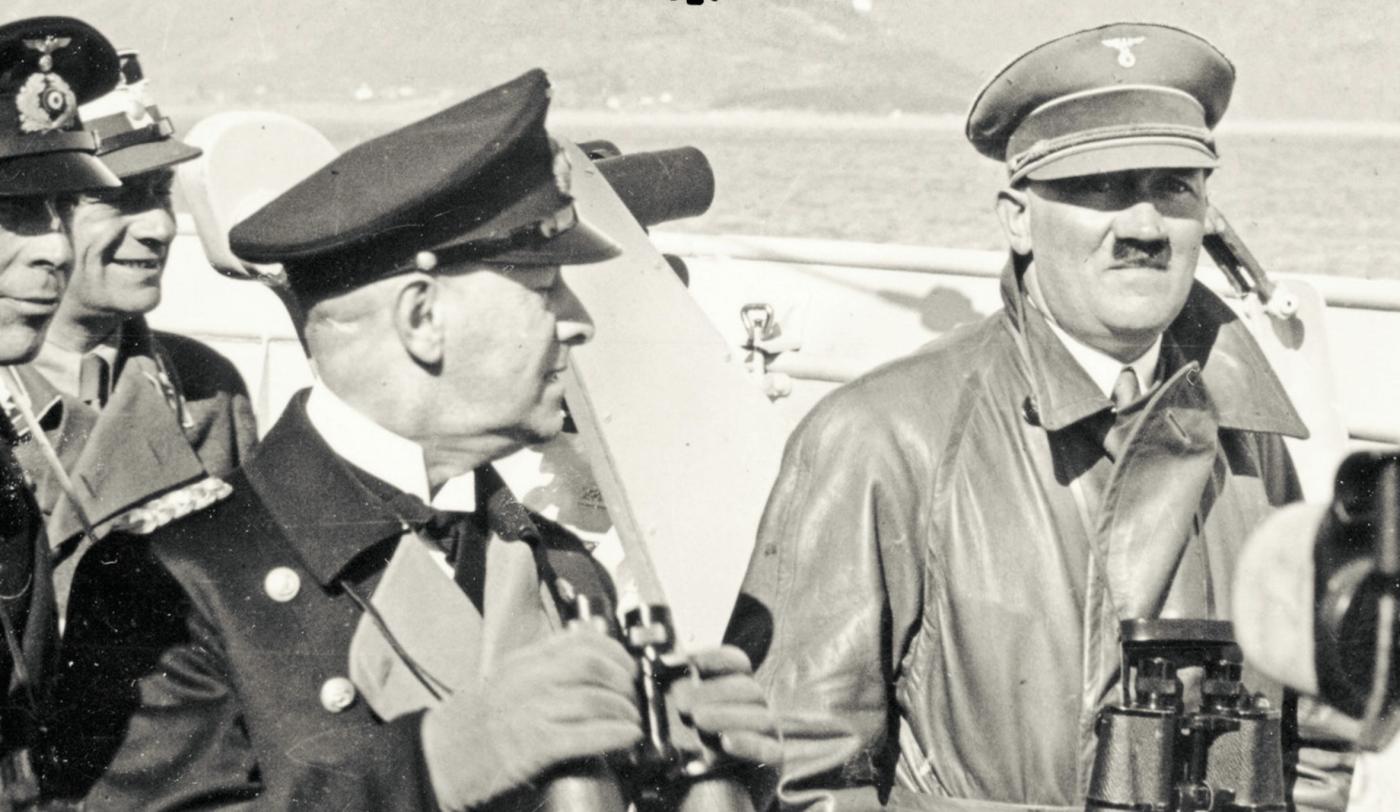
The declaration itself was not a single dramatic speech in the Reichstag but rather a series of directives and public statements issued through official communiqués and radio broadcasts in February 1940, following consultations between Hitler and naval commander Grand Admiral Erich Raeder. These announcements made clear that merchant ships sailing to or from enemy ports, especially in designated war zones around the British Isles and the Atlantic Ocean, would be treated as hostile targets without warning. Neutral shipping was also placed at grave risk if it was suspected of aiding Britain, a point that alarmed governments far beyond Europe.
The repercussions for the Allies were immediate and profound. British leaders understood that the stakes had escalated dramatically. Losses of merchant shipping were no longer incidental risks but central objectives of German strategy. Insurance rates soared, shipping schedules were disrupted, and the pressure to expand convoy systems and anti-submarine warfare intensified. For sailors, the psychological effect was severe: a voyage across the Atlantic now carried the constant expectation of sudden, lethal attack without warning, often in freezing waters far from rescue.
Diplomatically, the decision further poisoned relations between Germany and neutral states, particularly the United States. Although America was not yet at war, the sinking of neutral or near-neutral shipping carrying goods to Britain inflamed public opinion and pushed Washington closer to open support for the Allies. Each torpedoed freighter reinforced the perception that Germany was waging an indiscriminate and lawless war at sea, a narrative the British government skillfully used in propaganda and diplomacy.
From Hitler’s perspective, the decision was driven by urgency and frustration. The failure to defeat Britain quickly on land, combined with the limits of Germany’s surface fleet, left economic warfare as one of the few viable options to force Britain to negotiate. Hitler believed that intensified submarine warfare could break British morale, collapse its economy, and make continued resistance impossible. He also underestimated the Allies’ capacity to adapt through improved convoy tactics, radar, sonar, and industrial-scale shipbuilding.
In retrospect, the February 1940 decree helped set the tone for the long and brutal naval struggle that followed. While it did increase shipping losses and placed enormous strain on Britain in the short term, it also hardened Allied resolve, drew neutral powers closer to the British cause, and ultimately failed to deliver the decisive blow Hitler hoped for. Instead, it locked Germany into a prolonged maritime conflict that consumed resources, provoked wider opposition, and became one of the key arenas in which the Third Reich would eventually be worn down.