GROM Polands Special Forces
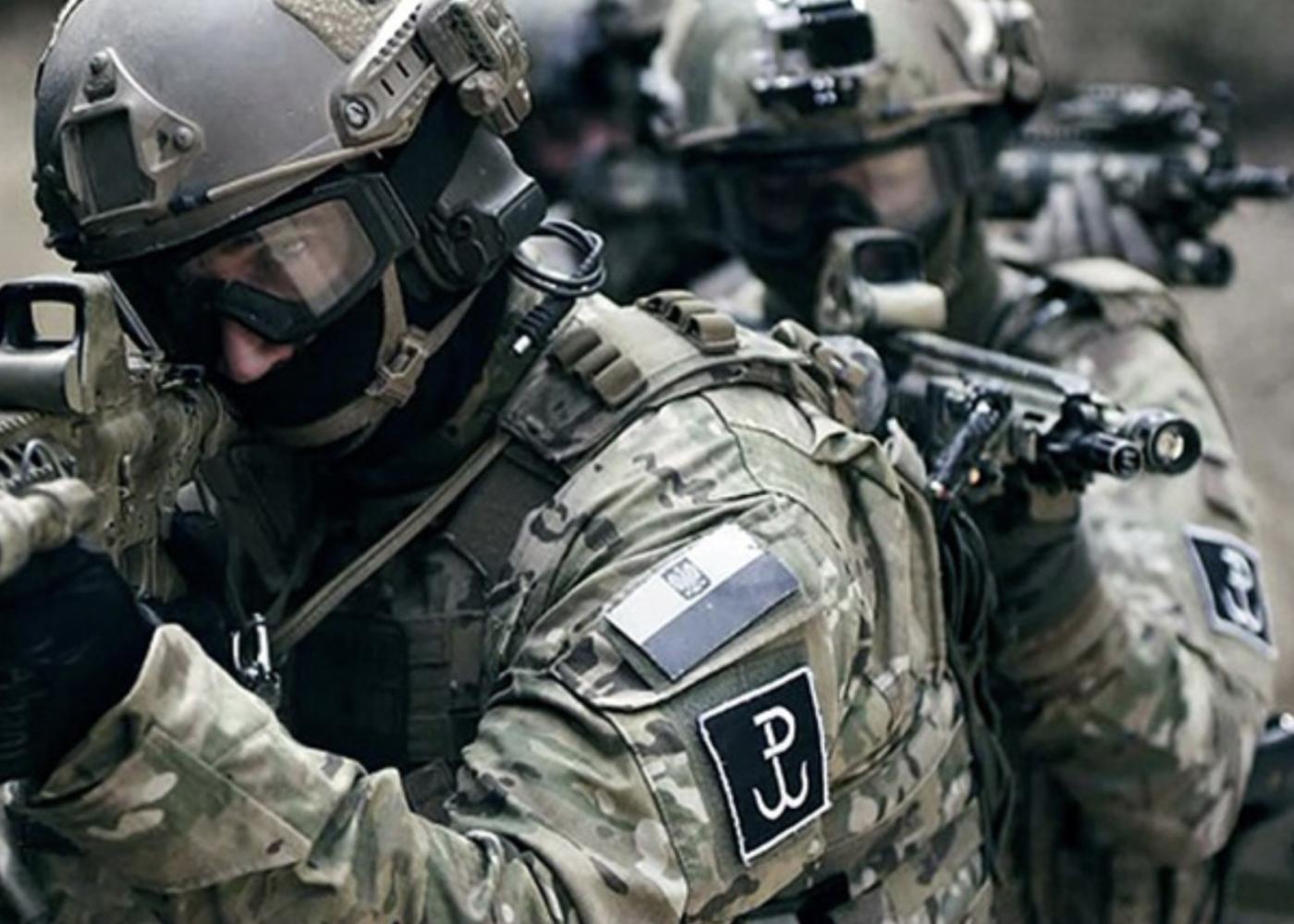
Jednostka Wojskowa GROM is Poland’s premier special operations formation and one of the most respected special forces units in Europe. The name stands for Grupa Reagowania Operacyjno-Manewrowego, meaning Operational Maneuver Response Group, and also translates to “thunder” in Polish, symbolizing speed and striking power. The formation was officially established in 1990 during the political transformation of Poland from a Soviet-aligned state to a NATO partner. Its creation was driven by the need for a modern counter-terrorist and special operations capability that could work seamlessly with Western allies, particularly after Polish personnel assisted in the evacuation of intelligence operatives and civilians from Lebanon in the late 1980s.
From the outset, the unit’s development was heavily influenced by Western special forces doctrine. Polish authorities sought training and guidance from elite formations such as the US Army’s Delta Force and the British Special Air Service. Early officers trained with these groups and helped shape a highly professional organization capable of counter-terrorism, direct action, reconnaissance, and unconventional warfare. Since its founding, the formation has remained one of Poland’s most secretive military organizations, with many operational details and personnel identities kept classified.
The precise size is not publicly confirmed, but most estimates place its strength between 300 and 500 operators supported by intelligence, logistics, communications, and aviation personnel. Recruitment is extremely selective and typically draws from experienced soldiers, police officers, and other security professionals. Candidates face a demanding multi-stage selection process designed to test endurance, psychological resilience, teamwork, and decision-making under extreme stress. Only a small percentage complete selection and the lengthy training pipeline that follows. Training includes advanced marksmanship, close-quarters battle, parachuting including HALO and HAHO high-altitude jumps, combat diving, demolitions, breaching, advanced driving, and battlefield medicine. Operators are trained to work in small autonomous teams capable of independent operations behind enemy lines or in hostile urban environments.
Capabilities are broad and comparable to those of top Western special forces. Core missions include counter-terrorism operations such as hostage rescue and neutralization of terrorist cells, direct action raids against high-value targets, special reconnaissance, intelligence gathering, and unconventional warfare. Maritime counter-terrorism is also a major specialty, with teams trained to conduct ship boarding operations and assaults on offshore platforms. Personnel are skilled in both urban and rural warfare and can deploy rapidly by air, land, or sea. Many operators speak multiple languages and receive cultural training to support international deployments.
Since its formation in 1990, the unit has participated in numerous international operations alongside NATO allies. One of its earliest significant missions took place during the 1994 United Nations operation in Haiti, where it conducted special security and protection tasks. It gained significant recognition during the Iraq War following the 2003 invasion, working closely with US Navy SEALs and Delta Force. Polish commandos participated in the capture and protection of key infrastructure, including oil platforms in the Persian Gulf, and carried out high-risk direct action missions against insurgent targets. Their effectiveness in Iraq earned strong praise from allied commanders. The formation has also been deployed to Afghanistan, conducting counter-terrorism operations, reconnaissance, and high-value target missions against Taliban and insurgent forces as part of NATO operations. Additional deployments and training missions have taken place in the Balkans, Middle East, and other regions, though many details remain classified.
Operators use a wide range of modern weapons and equipment comparable to those of elite NATO special forces. Standard rifles include the Heckler & Koch HK416 and HK417, valued for reliability and modular design, as well as the Polish MSBS Grot assault rifle in certain roles. For close-quarters combat, they frequently use weapons such as the Heckler & Koch MP5 and compact carbines. Sidearms typically include Glock 17 or Glock 19 pistols. Sniper and designated marksman roles are filled with rifles from Accuracy International, Barrett .50 calibre rifles, and other precision weapons suited to long-range engagements. Support weapons include the FN Minimi light machine gun and FN MAG general-purpose machine gun. Operators also employ advanced optics, suppressors, night-vision and thermal imaging systems, encrypted communications equipment, and modern body armour.
The structure and ethos of the formation emphasize flexibility, professionalism, and independence. Teams are trained to operate in small units with significant autonomy and are supported by intelligence and technical specialists. Dedicated medics are capable of advanced battlefield care, and all operators receive extensive medical training. Physical fitness standards are extremely high, with continuous training required throughout an operator’s career. Close relationships with other NATO special operations forces are maintained through joint exercises and exchange programs, ensuring interoperability and shared tactical development.
A defining characteristic of the unit is its combination of secrecy and operational excellence. Unlike some special forces formations that maintain a public profile, most missions and activities remain classified. Despite this low profile, it is widely regarded as one of the world’s top-tier special operations units, often compared with the US Navy SEALs, Delta Force, and the British SAS. The lightning bolt emblem reflects its guiding principle of speed, surprise, and overwhelming precision.
Today the formation remains Poland’s primary counter-terrorism and special mission force, prepared to respond to threats at home and abroad. Personnel train for modern warfare environments that include hybrid conflicts, counter-insurgency, and complex urban combat. As Poland continues to play a major role within NATO and European security, this elite unit remains a central element of the country’s military capability, combining advanced training, modern equipment, and decades of operational experience.