General Norman Schwarzkopf
Norman H. Schwarzkopf Jr. was born on August 22, 1934, in Trenton, New Jersey, into a military family. His father was a senior U.S. Army officer and an influential figure in national and international security, which meant his childhood was shaped by frequent travel and exposure to different cultures. He spent parts of his early life in Iran, Europe, and the United States, experiences that broadened his worldview and helped him develop adaptability at a young age. Despite struggling with academics early on, he demonstrated determination and resilience, traits that would later define his military career.
He attended the United States Military Academy at West Point, graduating in 1956. Not initially ranked among the top of his class, he nevertheless showed strong leadership qualities and a growing confidence in command roles. After commissioning into the infantry, he completed rigorous airborne and ranger training, setting the foundation for a career that emphasized front-line leadership rather than desk assignments.
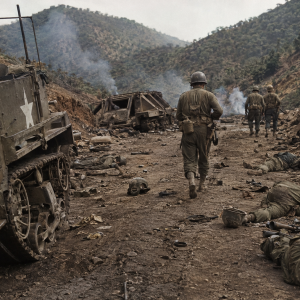
His first combat experience came during the Vietnam War, where he served two tours. There he gained a reputation for personal courage, often leading from the front and placing himself in danger alongside his soldiers. During one engagement he was wounded while rescuing troops under fire, an act that earned him high decorations and cemented his belief that commanders should share the risks of those they lead. Vietnam left a lasting impression on him, reinforcing his views on morale, discipline, and the human cost of war.
Following Vietnam, his career progressed steadily through a mix of command and staff roles. He held leadership positions at battalion, brigade, and division levels, as well as important planning assignments within the Pentagon. Known for his blunt speaking style and intolerance for incompetence, he was respected for his honesty even when it made him unpopular. His leadership style combined strict standards with deep concern for the welfare of his troops.
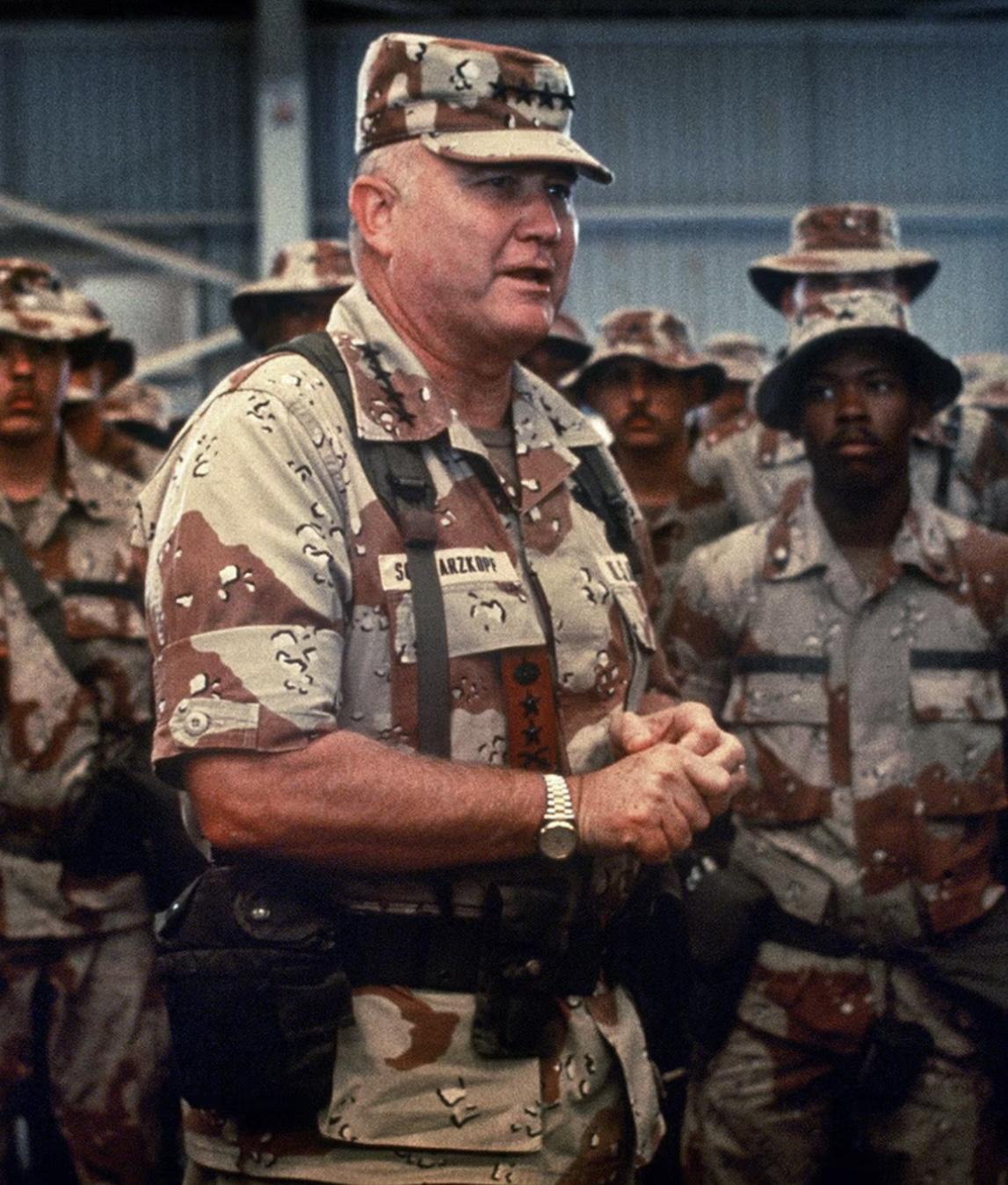
In 1988, he was appointed commander of U.S. Central Command, placing him in charge of American military operations across the Middle East. This role would define his legacy. When Iraq invaded Kuwait in August 1990, he became the primary architect of the U.S.-led response. He oversaw the rapid deployment of hundreds of thousands of troops to Saudi Arabia in Operation Desert Shield, designed to deter further Iraqi aggression. This massive logistical effort required careful coordination among coalition partners from dozens of nations.
In January 1991, the coalition launched Operation Desert Storm. He directed a strategy that combined an extended air campaign with a swift and decisive ground offensive. The plan emphasized overwhelming force, deception, and maneuver warfare. The ground war lasted only one hundred hours, resulting in the liberation of Kuwait and the destruction of much of Iraq’s military capability. His calm, confident briefings during the war made him a familiar and reassuring figure to the public, and he became one of the most recognizable military leaders of his generation.
After the Gulf War, he retired from the Army in 1991 as a four-star general. In retirement, he wrote a bestselling autobiography and became a sought-after speaker, often discussing leadership, military ethics, and the responsibilities of command. Though outspoken, he avoided partisan politics and remained focused on the experiences of soldiers and veterans.
In his later years, he faced declining health, including complications related to Parkinson’s disease. He spent his final years largely out of the public spotlight. Norman Schwarzkopf Jr. died on December 27, 2012.
He is remembered as a commander who combined strategic skill with a deeply personal approach to leadership. His legacy rests on his ability to lead a vast coalition to victory while maintaining a strong moral bond with the troops under his command, making him one of the most significant American military figures of the late twentieth century.