On this day in military history…
The defeat of French forces at the Battle of Dien Bien Phu was the culmination of a long struggle between colonial power and nationalist insurgency, and it marked the decisive end of French rule in Indochina. By late 1953, France was attempting to force a conventional battle that would destroy the revolutionary forces of the Viet Minh. French commanders believed their superior firepower, air support, and fortified positions would compel their enemy into a costly defeat. Instead, those assumptions proved disastrously wrong.
The French plan was shaped largely by General Henri Navarre, who had been sent to Indochina to restore a deteriorating military situation. Navarre approved the establishment of a fortified base in a remote valley at Dien Bien Phu in northwestern Vietnam, near the Laotian border. The idea was to create a strongpoint that would block Viet Minh supply routes into Laos and lure their forces into a set-piece battle where French artillery and airpower could be decisive. On the ground, the defense of the base was entrusted to Colonel Christian de Castries, who commanded approximately 13,000–15,000 troops. These forces included elite French paratroopers, Foreign Legion units, North African troops, and locally recruited soldiers.
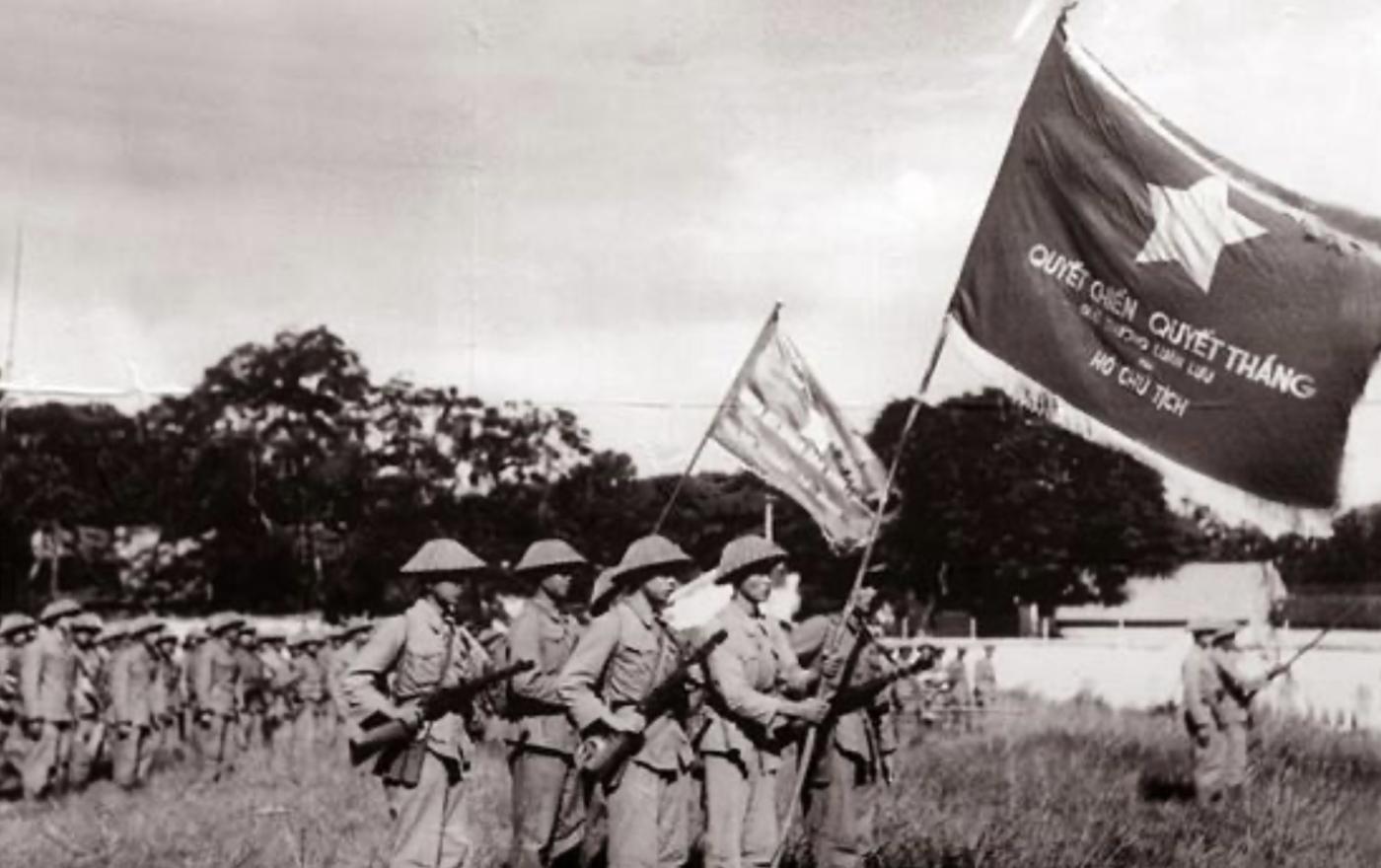
Opposing them was the Viet Minh, led by General Vo Nguyen Giap, a self-taught but highly capable commander who had already demonstrated both strategic patience and adaptability. Giap commanded a force estimated at around 50,000 regular troops, supported by tens of thousands of laborers who transported supplies through extremely difficult terrain. Unlike the French, the Viet Minh were fighting on familiar ground and were highly motivated by the goal of national independence.
The French base at Dien Bien Phu was laid out as a network of fortified positions named after women, spread across the valley floor. The French believed that surrounding hills were too steep and remote for heavy artillery to be brought into position. This was a critical miscalculation. Giap’s forces undertook an immense logistical effort, hauling artillery pieces through jungle-covered mountains, often by hand or bicycle, and placing them in concealed positions overlooking the French camp. These guns were carefully camouflaged and dug into the hillsides, making them extremely difficult to detect and destroy.
The battle began in March 1954 with a massive Viet Minh artillery bombardment that quickly neutralized the French airstrip, the lifeline of the garrison. Without reliable air resupply and reinforcement, the French position became increasingly vulnerable. The Viet Minh then employed a methodical siege strategy, digging an elaborate network of trenches and tunnels that gradually closed in on the French strongpoints. This approach minimized their exposure to French firepower and allowed them to attack at close range.
French forces fought stubbornly, launching counterattacks and relying on their training and discipline, but they were steadily worn down. Artillery superiority had shifted to the Viet Minh, and French attempts to resupply by air were increasingly ineffective due to anti-aircraft fire and poor weather. As the siege tightened, conditions in the French camp deteriorated sharply, with shortages of ammunition, medical supplies, and food.
A key element of Giap’s success was his willingness to adapt his tactics. Initially considering a rapid assault, he instead chose a prolonged siege after recognizing the strength of French defenses. This decision allowed the Viet Minh to conserve forces and systematically dismantle the French position. By early May, most of the outlying strongpoints had fallen, and the remaining defenders were exhausted and overwhelmed.
On May 7, 1954, after nearly two months of fighting, the French garrison collapsed. Colonel de Castries and his remaining troops surrendered, marking a decisive victory for the Viet Minh. The scale of the defeat shocked France and demonstrated that a determined nationalist force could overcome a modern colonial army.
The consequences were immediate and far-reaching. The fall of Dien Bien Phu directly influenced negotiations at the Geneva Conference, where a political settlement to the conflict was reached. France agreed to withdraw from Indochina, effectively ending nearly a century of colonial presence in the region. Vietnam was temporarily divided at the 17th parallel, with the Viet Minh controlling the north and a separate government established in the south.
For France, the defeat was both a military and psychological blow. It accelerated the decline of French colonial power and contributed to a broader reassessment of its global role. The loss also had ripple effects in other colonies, particularly in North Africa, where independence movements gained momentum.
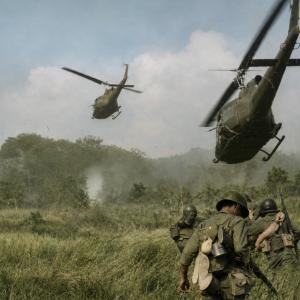
At the same time, the outcome set the stage for future conflict. The division of Vietnam was intended to be temporary, pending national elections, but tensions between north and south quickly escalated. The power vacuum left by the French withdrawal and the broader context of the Cold War drew in new international actors, most notably the United States, leading eventually to the Vietnam War.
The defeat at Dien Bien Phu stands as a clear example of how strategic misjudgment, underestimation of an opponent, and logistical ingenuity can determine the outcome of a conflict. It also marked a turning point in the history of decolonization, showing that European colonial empires could be defeated by determined nationalist movements using a combination of conventional and guerrilla tactics.