On this day in military history…
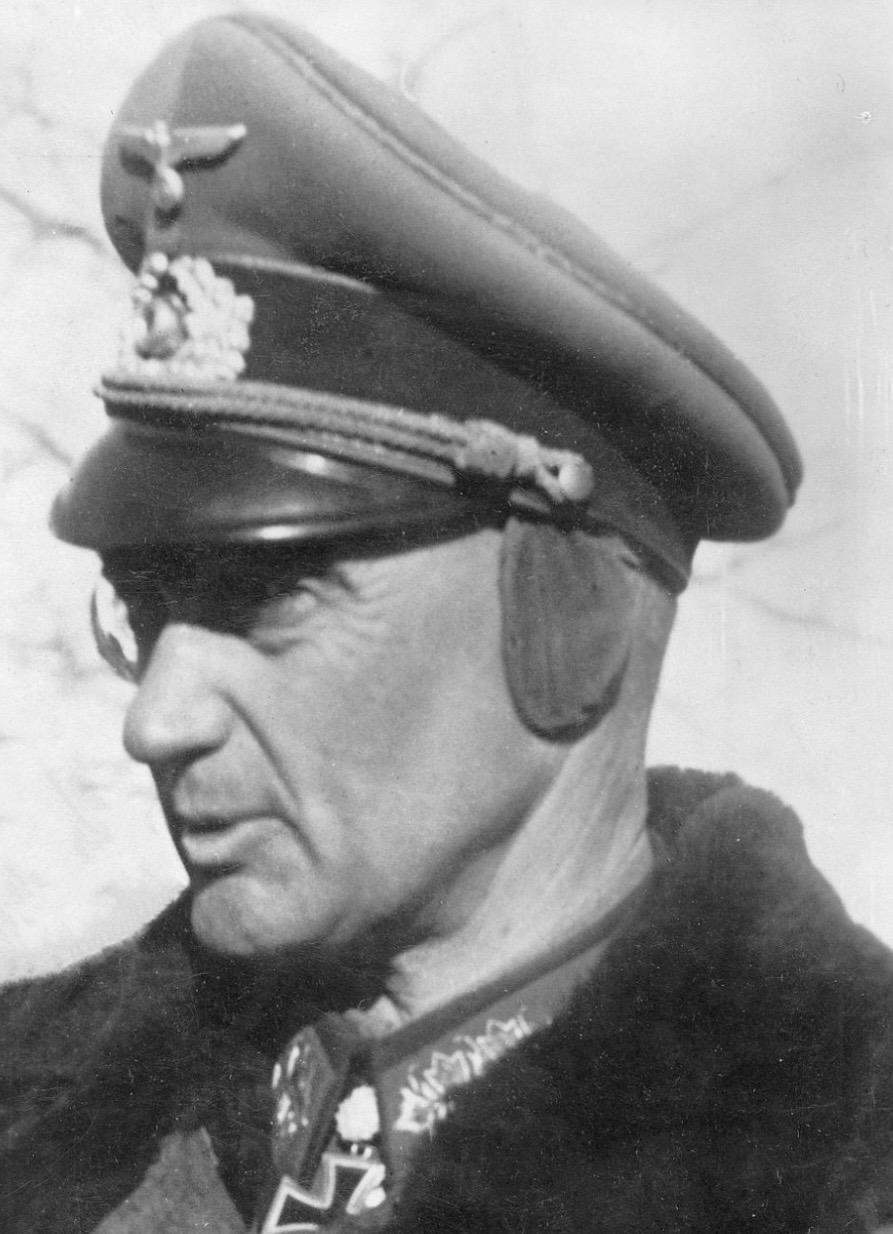
Walther Model was one of the most formidable and controversial commanders in the German Army during the Second World War, known for his defensive skill, personal toughness, and unwavering loyalty to Adolf Hitler. His life and career reflect both the operational brilliance and the moral compromises of the Wehrmacht’s senior leadership in the final years of Nazi Germany.
Model was born on January 24, 1891, in Genthin, in the Kingdom of Prussia. He came from a modest, middle-class background; his father was a music teacher, which set him apart from many German officers of the era who often came from aristocratic or military families. Despite this, Model showed early determination and discipline, entering the Imperial German Army as an officer cadet in 1909. He was commissioned as a lieutenant in an infantry regiment, beginning a career that would span both world wars.
During the World War I, Model served primarily on the Western Front. He proved himself capable and reliable under pressure, earning decorations for bravery and rising to the rank of captain. Importantly, he gained experience as a staff officer, where his analytical abilities and understanding of battlefield logistics began to stand out. These staff skills would later define his approach to high command.
After Germany’s defeat in 1918, Model remained in the drastically reduced Reichswehr. This was significant, as only a small number of officers were retained, and selection was based on merit and perceived potential. Throughout the interwar years, Model built a reputation as a highly competent and energetic officer. He was known for being demanding, direct, and sometimes abrasive, but also extremely effective. He contributed to doctrinal development and training, aligning himself with the evolving concepts of mobile warfare that would later underpin German successes.
With the outbreak of World War II, Model initially served in staff roles before receiving field command. His rise accelerated rapidly during the early campaigns. In 1941, during Operation Barbarossa, Model commanded the 3rd Panzer Division and distinguished himself in fast-moving operations deep into Soviet territory. His ability to maintain cohesion and momentum under difficult conditions earned him recognition.
Model’s real prominence came on the Eastern Front, where he became known as a “firefighter” commander—someone sent to critical sectors to stabilize collapsing situations. He commanded the Ninth Army and played a crucial role in defensive battles around Rzhev, where brutal attritional fighting took place. Although these battles were costly, Model managed to prevent Soviet breakthroughs and maintain German lines under immense pressure.
One of his most notable successes came during the defensive phase following the Soviet offensives of 1943 and 1944. After the German defeat at the Battle of Kursk, Model was repeatedly tasked with holding critical sectors. He became known for his ability to improvise defensive lines, use terrain effectively, and organize counterattacks at decisive moments. Unlike some German commanders who favored rigid adherence to plans, Model was pragmatic and willing to adapt quickly.
Hitler came to trust Model deeply, largely because Model showed personal loyalty and did not openly challenge orders. This relationship helped propel him to the rank of field marshal in 1944. However, it also tied his reputation closely to the Nazi regime. Model was not known to be politically ideological in the same way as some Nazi leaders, but he cooperated fully with the regime’s military objectives and did not oppose its policies.
In late 1944, Model was transferred to the Western Front following the Allied landings in Normandy. He took command of Army Group B and attempted to stabilize the deteriorating German position. He was involved in the defense against Allied advances and later in planning and executing Germany’s final major offensive in the west, the Battle of the Bulge. While the offensive initially achieved surprise, it ultimately failed due to logistical constraints and strong Allied resistance.
By early 1945, Germany’s situation was hopeless. Allied forces were advancing from both east and west, and German armies were increasingly encircled and destroyed. Model found himself commanding Army Group B in western Germany, where his forces were trapped in the Ruhr Pocket by American troops. This encirclement effectively cut off hundreds of thousands of German soldiers.
Faced with this situation, Model made the decision to dissolve Army Group B rather than continue futile resistance. He ordered younger soldiers and those not bound by oath to attempt to return home, while older troops were effectively released from command. This act reflected a degree of realism and concern for his men, though it came very late in the war.
Model’s personal situation had also become precarious. The Soviet Union had identified him as a war criminal, partly due to his role in harsh anti-partisan operations on the Eastern Front. Capture by Soviet forces would likely have meant trial and execution. At the same time, surrender to the Western Allies was complicated by his status and by his own sense of duty and honor as a German field marshal, shaped by a tradition that often viewed surrender as disgraceful.
On April 21, 1945, with his command gone and no viable options remaining, Model shot himself in a forest near Duisburg. His death came just weeks before Germany’s final surrender. Unlike some other German leaders, he did not attempt to negotiate or flee; instead, he chose suicide as a final act consistent with his personal code and the collapsing world he had served.
Model’s legacy is complex. Militarily, he is often regarded as one of Germany’s most skilled defensive commanders, capable of stabilizing fronts under extreme pressure. His leadership style was energetic and hands-on, and he frequently visited front-line positions, earning respect from many subordinates. At the same time, his close association with Hitler and his role within the German war effort tie him to the broader crimes and failures of the Nazi regime.