On this day in military history…
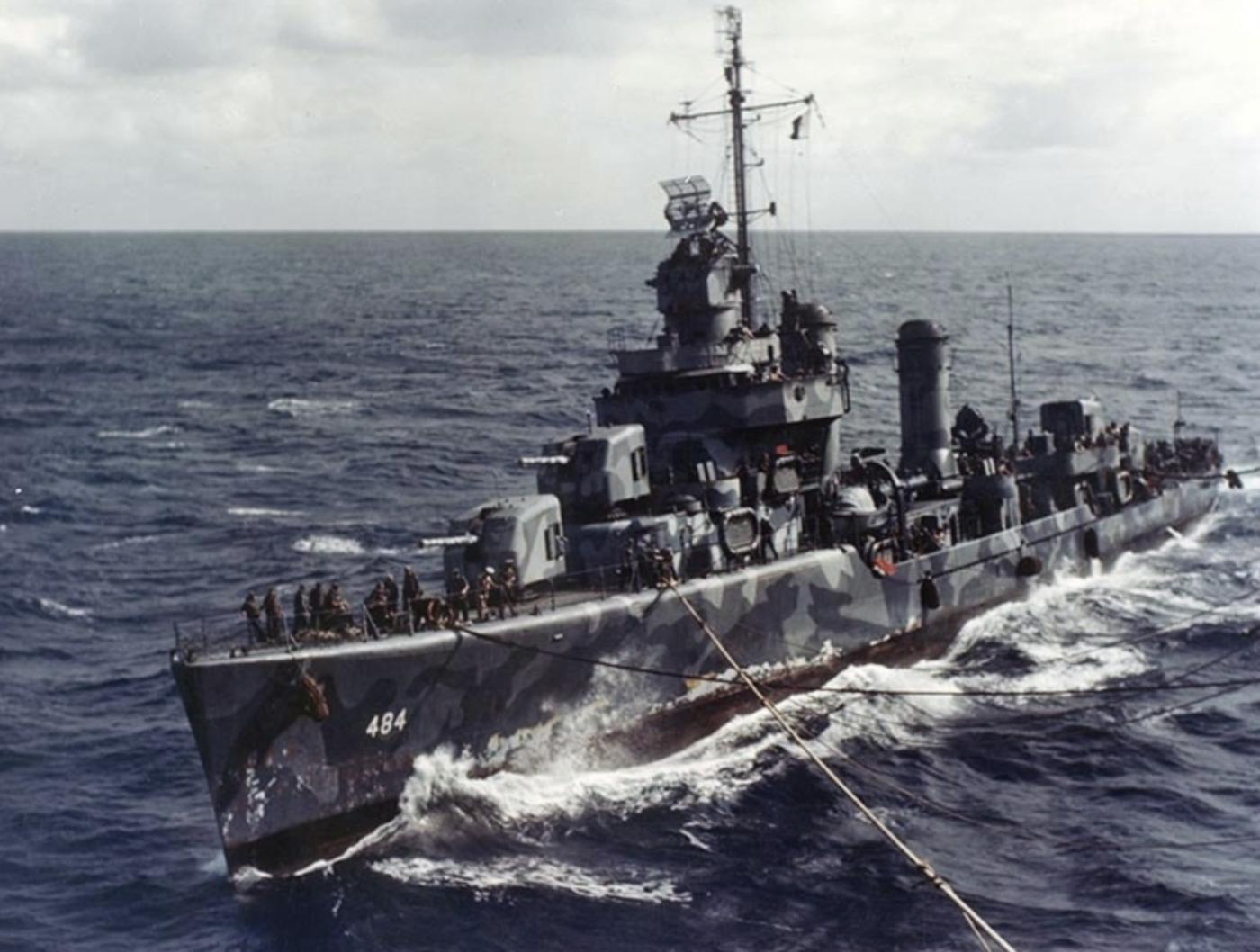
On 10 April 1941, months before the United States formally entered the Second World War, a brief and often overlooked encounter in the North Atlantic signalled how close the country already was to open conflict. The incident involved the American destroyer USS Niblack, commanded by Lieutenant Commander D. L. Ryan, and a German submarine operating as part of the wider U-boat campaign against Allied shipping.
At this stage of the war, the United States remained officially neutral, though President Franklin D. Roosevelt had already committed to supporting Britain through Lend-Lease and naval patrols in the Atlantic. American destroyers, including Niblack, were increasingly active around Iceland, escorting convoys and responding to distress calls. These duties brought them into the same dangerous waters patrolled by German submarines, particularly the highly effective Type VII U-boats that formed the backbone of Germany’s Atlantic campaign.
On that April morning, Niblack received a distress signal from a Dutch merchant vessel that had been torpedoed. The ship had fallen victim to a German submarine, most likely a German Type VII U-boat, the standard medium-range attack submarine used by the Kriegsmarine. These boats were fast, manoeuvrable, and deadly, capable of lying in wait beneath the surface before striking with torpedoes.
Commander Ryan brought Niblack in to rescue survivors, navigating cold, rough waters where exposure alone could kill within minutes. As the destroyer slowed and began picking up men from lifeboats and the sea, sonar operators detected a submerged contact nearby. The U-boat that had carried out the attack had not withdrawn; instead, it appeared to be manoeuvring in the vicinity, possibly observing or even preparing to strike again.
The situation escalated instantly. With survivors still being brought aboard, Niblack was now a target. Under these circumstances, Ryan acted decisively. Following standing orders that allowed defensive action, he ordered a depth charge attack on the suspected position of the submarine. This marked a critical moment: although no formal declaration of war existed, an American warship was about to engage a German naval unit directly.
The destroyer released a pattern of depth charges into the sea. These weapons detonated at preset depths, sending violent shockwaves through the water in an attempt to damage the submarine’s hull or force it to the surface. Columns of water erupted behind the ship as the charges exploded, the blasts echoing across the cold Atlantic.
The German submarine, though caught off guard, appears to have evaded destruction. No confirmed sinking was recorded, and it is likely the U-boat dived deeper or manoeuvred away after the attack. Still, the encounter was significant. It demonstrated that U.S. naval forces were no longer merely passive observers or escorts—they were now actively defending themselves and those under their protection.
This clash occurred nearly eight months before the Attack on Pearl Harbor. At the time, the United States and Germany were not officially at war, yet the reality at sea told a different story. The Atlantic had become a contested battlefield, and neutrality was increasingly theoretical.
For the German U-boat crews, ships like Niblack represented a growing threat. American destroyers were well-equipped with sonar and depth charges, and their presence complicated U-boat operations. For the U.S. Navy, encounters like this reinforced the need for readiness and aggression in defending convoys and rescue missions alike.
Though brief and without a confirmed kill, the action on 10 April 1941 marked the first known occasion on which a U.S. Navy vessel attacked a German submarine during the war. Under the command of D. L. Ryan, USS Niblack had crossed an invisible line, engaging an enemy it was not yet officially fighting.
In hindsight, the event stands as a quiet but important prelude to America’s entry into the war. It revealed how far the United States had already moved from neutrality and how inevitable direct conflict had become. The depth charges dropped that day did not just target a submerged submarine—they signalled the beginning of an undeclared naval war that would soon expand across the Atlantic.