On this day in military history…
headings
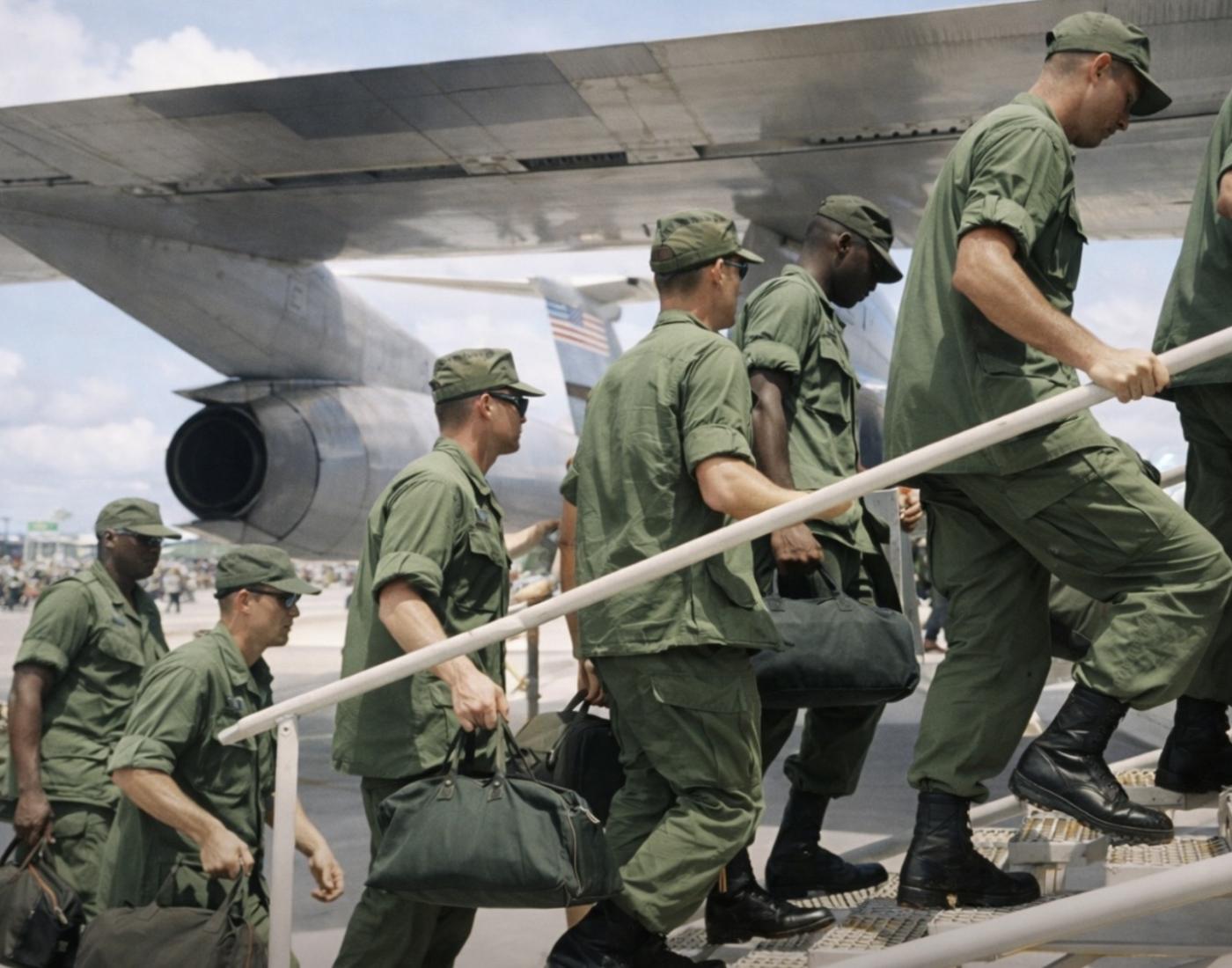
On 29 March 1973, the last United States combat troops left South Vietnam, marking the end of direct American military involvement in one of the longest and most controversial wars in U.S. history. The departure was closely linked to the release of American prisoners of war by North Vietnam, an effort known as Operation Homecoming. For many Americans, the moment symbolized both relief and uncertainty: relief that captured servicemen were finally returning home, and uncertainty about what would happen to South Vietnam after the American withdrawal.
The events of that day were the result of months of negotiations following years of brutal conflict. The Vietnam War had drawn the United States deeply into Southeast Asia after North Vietnam and communist forces in the south sought to unify the country under communist rule. By the late 1960s and early 1970s, American public opinion had turned sharply against the war. President Richard Nixon had already begun a policy known as “Vietnamization,” which aimed to gradually withdraw American troops while transferring combat responsibilities to the Army of the Republic of Vietnam, the South Vietnamese military.
Peace negotiations between the United States, South Vietnam, North Vietnam, and the Viet Cong eventually produced the Paris Peace Accords, signed on 27 January 1973. The agreement called for a ceasefire, the withdrawal of all U.S. military forces, and the return of American prisoners of war held by North Vietnam. In exchange, the United States would stop military operations against North Vietnam and remove its forces from South Vietnam within sixty days.
One of the most emotional elements of the agreement was the release of American prisoners. Throughout the war, North Vietnam had captured U.S. pilots shot down during bombing missions as well as a small number of soldiers captured on the battlefield. These prisoners were held primarily in prisons in Hanoi, the most famous of which was the Hoa Lo prison, sarcastically nicknamed the “Hanoi Hilton” by American captives. Conditions for prisoners varied over the years but were often harsh, with long periods of isolation, interrogation, and limited food. Many prisoners endured years of captivity, and their fate became a major issue in American politics and public opinion.
Operation Homecoming began on 12 February 1973 and lasted several weeks. During this time, North Vietnam gradually released 591 American prisoners of war. The releases took place mainly at Gia Lam Airport in Hanoi. American C-141 Starlifter transport aircraft landed there to collect the freed prisoners and fly them first to Clark Air Base in the Philippines for medical evaluation and recovery before bringing them back to the United States.
The first returning prisoners were greeted with emotional scenes. Many had been held for years and had become symbols of endurance during the war. Some had been prisoners for more than seven years. When they stepped off the planes, they often saluted the American flag, waved to waiting medical staff, or simply expressed relief at finally being free. The returning men were thinner and sometimes physically weakened, but many appeared remarkably resilient after years of captivity.
Among the prisoners were well-known figures such as naval aviators who had been shot down during bombing raids over North Vietnam. Their stories of survival, resistance during interrogations, and secret communication systems developed in prison camps later became widely known. Prisoners often used tapping codes through walls to communicate with one another, helping maintain morale and solidarity.
While Operation Homecoming was underway, American troop withdrawals continued in South Vietnam. By early 1973, the U.S. military presence had already been dramatically reduced from its peak of more than 540,000 troops in 1969. The remaining personnel consisted largely of advisers, support staff, and security forces guarding American facilities.
On 29 March 1973, the final group of U.S. combat troops departed South Vietnam. The last soldiers boarded aircraft and helicopters, leaving from bases such as Tan Son Nhut Air Base near Saigon. The withdrawal officially ended direct American combat involvement in the war. U.S. Military Assistance Command Vietnam, known as MACV, was formally dissolved the same day.
The moment carried enormous symbolic weight. For more than a decade, the United States had committed vast resources and manpower to the conflict. More than 58,000 American service members had died, and hundreds of thousands had been wounded. The war had deeply divided American society, sparking protests, political upheaval, and intense debates about foreign policy.
Although U.S. combat troops had left, the war itself was not truly over. The Paris Peace Accords created only a fragile ceasefire. North Vietnamese and Viet Cong forces remained in positions throughout South Vietnam, and fighting soon resumed between them and South Vietnamese government troops. Without the large-scale presence of American ground forces, South Vietnam increasingly struggled to defend itself.
The returning prisoners from Operation Homecoming were welcomed as heroes when they eventually returned to the United States. Many participated in public ceremonies, parades, and reunions with their families. Their stories became an important part of the national effort to come to terms with the war. Some former prisoners later wrote memoirs or spoke publicly about their experiences in captivity.
The final American troop withdrawal on 29 March 1973 represented a major turning point. It marked the end of the United States’ direct military role in Vietnam, even though American financial and logistical support for South Vietnam continued. Two years later, in April 1975, North Vietnamese forces captured Saigon, bringing the war to a final conclusion and unifying Vietnam under communist rule.