On this day in military history…
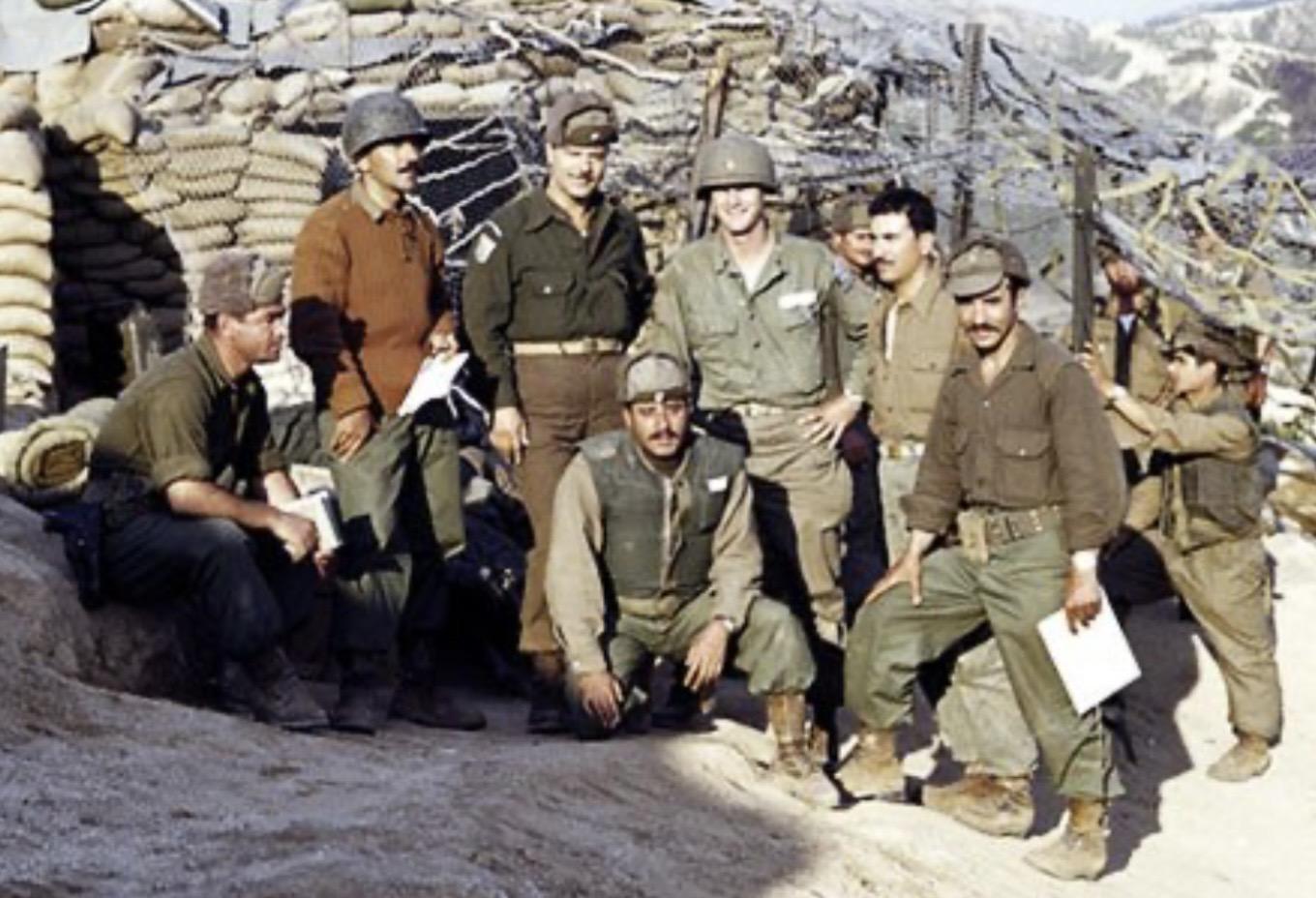
On 17 March 1951, during the United Nations counteroffensive in central Korea, a Greek infantry battalion known among Allied troops as the Spartans carried out a bold attack across the Hongchon River and captured Hill 325 from Chinese forces. The action was one of the early combat successes of the Greek Expeditionary Force and quickly earned the battalion a reputation for aggressive fighting in the difficult Korean terrain.
Greece had answered the United Nations call for help shortly after the Korean War began in June 1950. The country contributed both an air transport unit and a ground force. The ground element was a reinforced infantry battalion officially called the Sparta Battalion, composed largely of volunteers from the Greek Army. Many of the men had recently fought in the Greek Civil War and were already experienced soldiers familiar with mountain warfare and harsh conditions.
The battalion arrived in Korea in December 1950 and was attached to the U.S. 1st Cavalry Division as part of the Eighth Army. At that time the strategic situation was still uncertain. Chinese forces had entered the war late in 1950 and launched powerful attacks that forced United Nations troops to retreat south. By early 1951, however, the UN command had reorganised and begun a determined advance northward in a series of counteroffensives designed to regain lost ground.
The region around Hongchon was typical of the Korean battlefield. Narrow valleys, steep hills and winding rivers dominated the landscape. Control of high ground was vital because a single hill could provide observation over supply routes, artillery positions and troop movements. Hill 325 was one such position overlooking the Hongchon River area, and enemy troops occupying it threatened the movement of UN forces operating nearby.
The Greek battalion was ordered to cross the river and seize the hill. The task was far from simple. Rivers were natural defensive barriers and attackers were exposed while crossing. Once on the opposite bank they would have to climb steep slopes under fire from defenders positioned above them.
On the morning of 17 March the Spartans moved toward the river and began the crossing. Working their way through the water and along the banks, the Greek soldiers formed up for the attack. Once across they pushed forward toward Hill 325, advancing in small groups and using the folds of the ground for cover as they climbed toward the enemy positions.
The fighting quickly became intense. Chinese troops had dug in along the slopes and fought stubbornly to hold the height. Machine-gun fire and rifle shots swept the approaches, forcing the Greeks to advance cautiously from position to position. Grenades and close-range fire became common as the attackers closed in on the trenches and foxholes near the summit.
Despite the resistance the Spartans continued to press forward. Their experience in rough terrain proved valuable as they manoeuvred along the hillside and gradually forced the defenders back. After fierce close combat the Greek troops succeeded in clearing the enemy positions and secured the summit of Hill 325.
With the hill captured, the United Nations forces gained a strong observation point overlooking the surrounding area. Artillery observers could now direct fire more effectively and enemy movements along nearby routes were easier to detect. The successful assault strengthened the UN line in the Hongchon sector during the continuing advance northward.
The action also confirmed the fighting ability of the Greek contingent. Although the battalion was relatively small compared with the large American formations around it, its performance impressed allied commanders. The nickname Spartans, inspired by the warriors of ancient Greece, quickly became widely used among other UN troops.
The Sparta Battalion would continue to serve on the Korean front for the rest of the war, taking part in many hill battles and defensive operations along the shifting front lines. Over the course of the conflict thousands of Greek soldiers served in Korea, and the battalion earned several international commendations for its combat record.