On this day in military history…
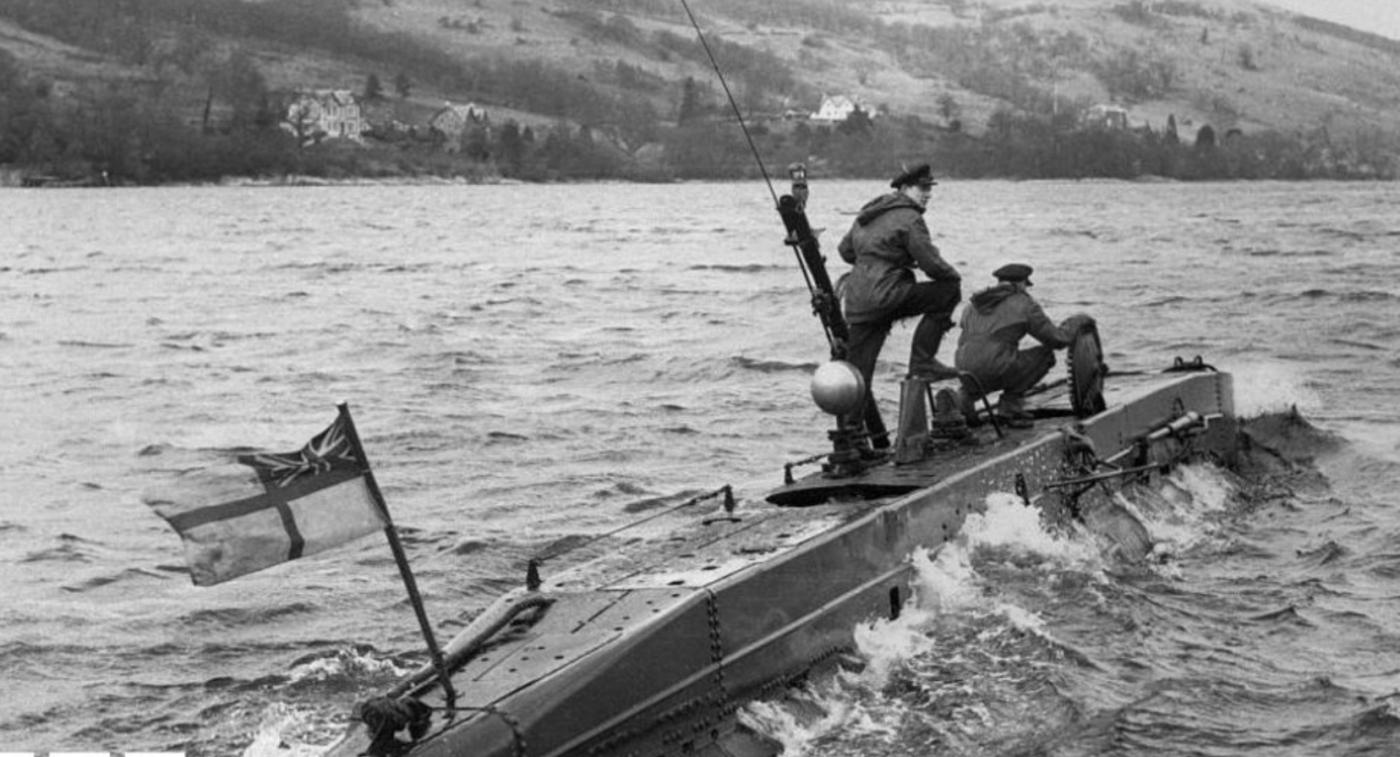
On 15 March 1943 the Royal Navy officially brought into operational service one of the most unusual and daring underwater weapons of the Second World War: the X-craft midget submarine. Conceived at a time when Britain needed new methods to strike heavily defended enemy positions, these small submarines represented a radical departure from traditional naval thinking. They were designed not for fleet action or long patrols across the oceans, but for stealthy infiltration, sabotage and the delivery of highly trained specialists into hostile territory.
The main role of these miniature submarines was to penetrate secure harbours and fjords where large German warships lay protected. Enemy capital ships based in Norway posed a constant danger to Allied shipping, especially the Arctic convoys carrying vital supplies. These ships were surrounded by anti-submarine nets, mines, patrol vessels and natural geographic barriers. Conventional attacks by aircraft or surface ships often proved too costly or ineffective. The solution was to send in a vessel small enough to slip past defences, place powerful explosive charges beneath the target, and withdraw unseen.
Each craft measured just over 50 feet in length and displaced around 27 tons when surfaced, increasing to roughly 30 tons submerged. Their small size allowed them to manoeuvre in confined waters where larger submarines could not operate. Operating range was limited, approximately 1,200 nautical miles at slow speed on the surface, and far less when submerged on battery power. Because of this restricted endurance, they were frequently towed close to enemy coastlines by full-sized submarines before beginning their independent missions. This towing method preserved fuel, conserved battery life and reduced crew fatigue before the most dangerous phase of the operation.
They were capable of diving to depths of around 300 feet, although most operational work was carried out at shallower levels where navigation and obstacle avoidance were easier. Structural limits and the experimental nature of the design meant that stealth and precision were always prioritised over deep diving. Silent running and careful handling were essential for survival.
The crew consisted of four men: a commander, a pilot, an engineer and a diver. Conditions inside were extremely cramped, with little room to move and only the most basic equipment for long missions. Every man had a crucial role. The diver was particularly important, often leaving the submarine underwater to cut through anti-submarine nets or clear fouled propellers. These operations required immense nerve, carried out in cold and darkness with enemy patrols often only a short distance away.
Instead of conventional torpedoes, the craft carried two large detachable side charges. Each contained roughly two tons of high explosive and was mounted externally along the hull. Once beneath a target ship or structure, the crew would release the charges onto the seabed and set time fuses. The submarine would then withdraw before detonation. Explosions of this size beneath a hull could cause devastating structural damage, crippling or sinking even the largest battleships.
One of the most famous operational uses came in 1943 against the German battleship Tirpitz in a Norwegian fjord. After a hazardous journey involving towing and independent navigation through heavily defended waters, several of these small submarines attempted to reach the anchorage. Despite losses and mechanical difficulties, two crews succeeded in placing their explosive charges beneath the battleship. The resulting blasts inflicted severe damage, putting the vessel out of action for months and significantly reducing the threat to Allied convoys.
Their usefulness, however, extended beyond attacking warships. They were also employed in special operations roles, including the delivery of reconnaissance and commando personnel to enemy-held coasts. One important task was transporting Combined Operations Pilotage Parties, known as COPP teams. These specially trained sailors and commandos were responsible for covertly surveying beaches, taking sand samples, measuring tides and gradients, and gathering intelligence needed for amphibious assaults. The small submarines could approach hostile shores undetected at night, allowing these men to swim ashore, conduct their work and return with vital information.
This capability proved particularly valuable in the preparations for the Normandy landings in June 1944. In the months leading up to the invasion, covert reconnaissance of the French coastline was essential. Beaches had to be carefully studied to determine whether they could support tanks and landing craft. Using these submarines, COPP teams were landed under cover of darkness along sections of the Normandy coast. They measured beach gradients, collected soil samples and mapped obstacles, often within sight of German defences. After completing their work, they were recovered by the waiting submarine offshore. The intelligence they gathered played a significant role in planning the landings and selecting suitable assault points.
Service aboard these vessels demanded extraordinary courage. Crews operated in claustrophobic conditions for long periods, often towed through rough seas before beginning their missions. Mechanical failure, enemy detection or entanglement in harbour defences could easily mean death or capture. Yet volunteers continued to come forward, fully aware of the risks. They understood that their missions, though carried out in near secrecy, could influence major naval operations and even the outcome of campaigns.
From their introduction into operational service on 15 March 1943, these small submarines demonstrated how innovation and determination could overcome formidable obstacles. Whether placing explosive charges beneath enemy battleships, delivering reconnaissance teams to hostile shores, or supporting the planning of the Normandy invasion, they played a unique and highly specialised role in Britain’s naval war effort. Small in size but immense in significance, they stand as one of the most inventive and daring developments in underwater warfare.