On this day in military history…
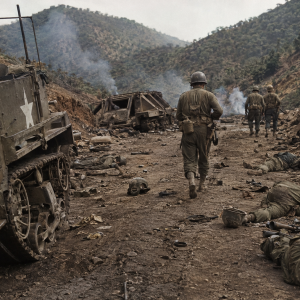
On 16 March 1968, in the closing years of the Vietnam War, a group of United States Army soldiers entered the rural hamlets clustered around the village of My Lai in South Vietnam. What followed that morning would become one of the most infamous and troubling episodes of the entire conflict, a moment that profoundly altered public perception of the war both in America and across the world.
The soldiers involved were members of Charlie Company, 1st Battalion, 20th Infantry Regiment, part of the Americal Division. They had been operating in Quang Ngai Province, an area that American commanders believed to be a stronghold of Viet Cong guerrillas. The region had seen repeated attacks on U.S. forces, including ambushes, sniper fire and hidden explosives. Many of the soldiers were young, inexperienced and exhausted by months of difficult jungle warfare against an elusive enemy who rarely presented themselves in open battle. Tension and fear had become constant companions, and frustration was growing among the ranks.
On the eve of the operation, the company was briefed that My Lai and surrounding hamlets were likely filled with Viet Cong fighters or their supporters. Some soldiers later recalled being told that anyone remaining in the village would be hostile, as civilians were expected to be at market. Others said they believed they were entering a free-fire zone where normal rules of engagement no longer applied. Whether through misunderstanding, poor leadership or deliberate misinterpretation, a mindset developed among many of the troops that they were entering an enemy position rather than a civilian settlement.
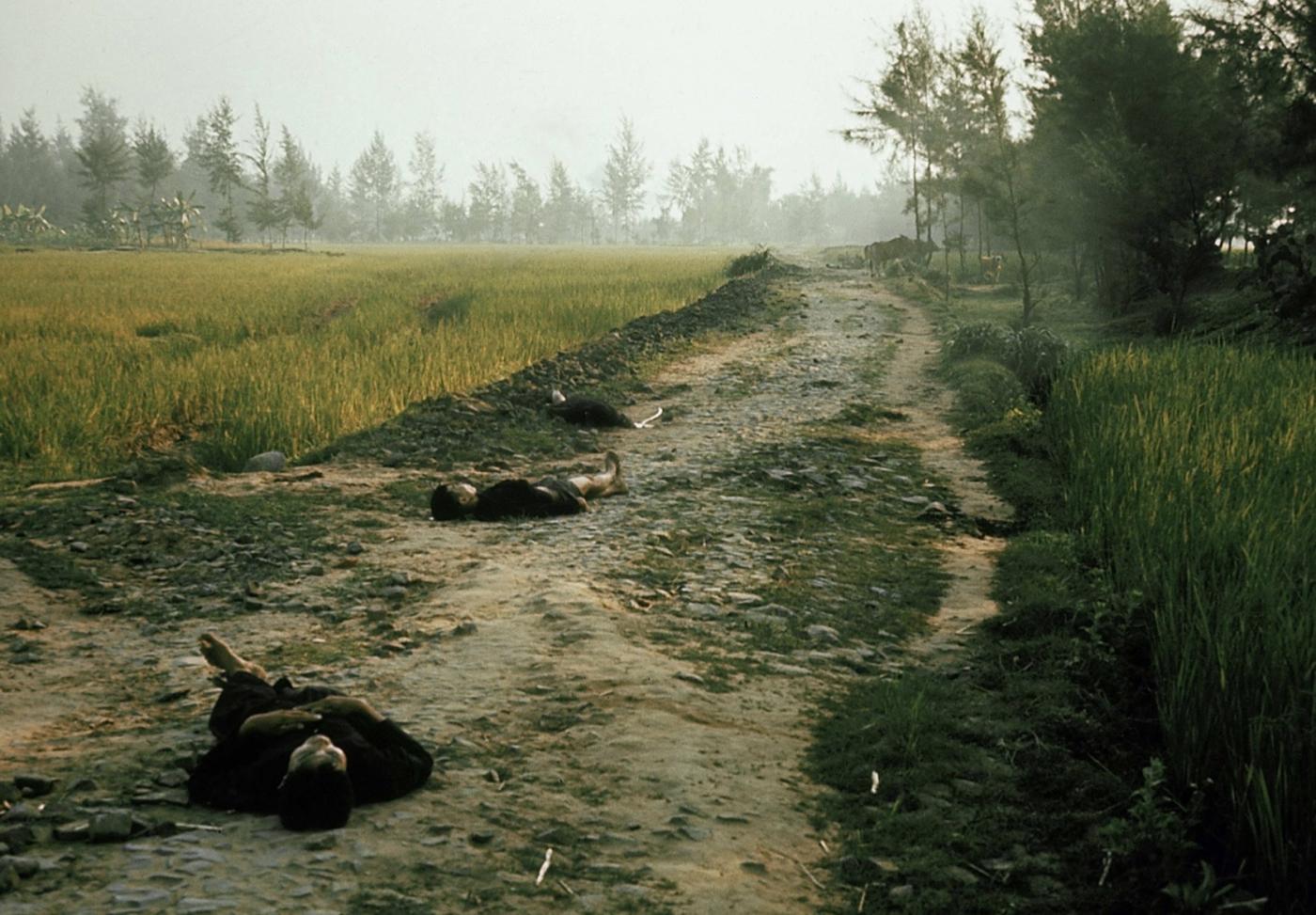
When Charlie Company entered My Lai shortly after dawn, they encountered not armed fighters but ordinary villagers beginning their day. Most were women, children and elderly men. Instead of treating them as civilians, many of the soldiers began rounding them up, forcing them into ditches and open areas. What followed over the next several hours was a systematic killing of unarmed people. Villagers were shot at close range, homes were burned, livestock destroyed and women assaulted. Some soldiers refused to take part, and a few attempted to stop the violence, but the chain of command largely failed to intervene. Lieutenant William Calley, a platoon leader, would later become the central figure associated with the killings, though responsibility extended beyond a single individual.
Estimates of the number of civilians killed vary, but most investigations place the death toll at between 350 and over 500 people. Entire families were wiped out. Infants and young children were among the dead. The scale and brutality of the killings shocked even some of the soldiers present, yet the operation was initially reported through official military channels as a successful engagement against enemy forces. Civilian casualties were either ignored or framed as the result of legitimate combat.
For more than a year, the events at My Lai remained largely hidden from the American public. Some soldiers who had witnessed the massacre struggled with what they had seen and began speaking out. Among them was helicopter pilot Hugh Thompson, who had landed during the operation and confronted U.S. troops, attempting to shield civilians and evacuate survivors. His testimony, along with that of others, would later prove crucial in exposing the truth.
The turning point came when a former soldier, Ronald Ridenhour, who had heard detailed accounts from participants, wrote letters to members of Congress and military officials describing the massacre. His efforts prompted an official investigation. In November 1969, journalist Seymour Hersh broke the story to the American public, revealing the scale of the killings and the subsequent cover-up. Photographs taken by an Army photographer at the scene were published soon after, providing stark visual evidence that shocked readers around the world.
Public reaction in the United States was intense and deeply divided. Many were horrified that American soldiers could commit such acts, while others argued that the pressures and horrors of guerrilla warfare had driven them to extremes. The massacre became a focal point for growing anti-war sentiment, reinforcing the view among critics that the Vietnam War was not only strategically misguided but morally damaging.
The U.S. Army launched a major investigation, known as the Peers Inquiry, which examined both the killings and the efforts to conceal them. Several officers were charged, though most cases were eventually dropped. Lieutenant Calley was convicted in 1971 of murdering 22 civilians and sentenced to life imprisonment. However, his punishment was swiftly reduced, and he ultimately served only about three and a half years under house arrest. The limited accountability fuelled further debate and controversy.
The My Lai massacre left a lasting scar on the American military and on U.S. society. It prompted changes in military training, particularly in the emphasis on rules of engagement and the protection of civilians. It also deepened mistrust between the American public and government institutions at a time when confidence was already eroding due to the prolonged war.
In Vietnam, the memory of the massacre remains a powerful symbol of suffering during the conflict. The site at My Lai has since become a memorial to the victims, visited by people from around the world. More broadly, the events of 16 March 1968 stand as a grim reminder of how fear, dehumanisation and the pressures of war can lead ordinary individuals to commit extraordinary atrocities when discipline and moral restraint collapse.