On this day in military history…
On 10 March 1968, in the remote western highlands of South Vietnam near the Laotian border, a small U.S. Special Forces camp at Sa Huỳnh, sometimes rendered as “Sau” in certain accounts, came under intense attack during the wider wave of coordinated North Vietnamese offensives that followed the Tet Offensive. The fighting ended with the camp overrun, marking one of the most serious losses suffered by a U.S. Army Special Forces A-Camp during the war.
The camp was commanded by a U.S. Special Forces officer serving as leader of the small 12-man Operational Detachment Alpha assigned to the position. At Sa Huỳnh in March 1968, this responsibility rested with Captain James K. “Skip” Jones, an experienced Green Beret officer tasked not only with directing the American detachment but also with overseeing the training, organisation, and combat readiness of the indigenous Civilian Irregular Defense Group forces stationed there. As with most Special Forces A-Camps, his role combined that of tactical commander, adviser, and coordinator of air and artillery support. He was responsible for maintaining discipline and morale among a mixed force of U.S. personnel and locally recruited fighters while preparing the isolated camp to withstand precisely the kind of large-scale assault that would soon descend upon it.
The CIDG forces were largely drawn from local ethnic minorities, often Montagnards, trained and armed by U.S. Special Forces to defend strategic outposts and interdict enemy infiltration routes. The camp itself formed part of the border surveillance system designed to block infiltration from Laos into the coastal provinces. Positioned in rugged terrain with limited road access, it relied heavily on air resupply and reinforcement. Like many Special Forces camps, it consisted of earthen berms, barbed wire entanglements, fighting bunkers, mortar pits, and a central command bunker. Though formidable against small-scale attacks, such camps were vulnerable to sustained assault by larger, well-organised North Vietnamese Army units equipped with heavy weapons.
Opposing the defenders was a sizable force of North Vietnamese Army regulars, believed to be drawn from elements of the 2nd NVA Division. Estimates vary, but most accounts place the attacking strength between 600 and 1,000 troops. These were disciplined, well-armed regular soldiers rather than local guerrillas. They were equipped with AK-47 rifles, RPD light machine guns, RPG-2 and RPG-7 anti-tank weapons, 60mm and 82mm mortars, and recoilless rifles. By 1968, the North Vietnamese Army had developed considerable experience in coordinating large-scale assaults against fortified positions.
The attack began in the early hours of 10 March with a heavy mortar and rocket barrage. This preparatory bombardment targeted defensive positions, command bunkers, and communication points. The intent was not only to inflict casualties but to disorient defenders and weaken key fortifications before launching ground assaults. Under cover of darkness and the confusion caused by explosions, sappers attempted to breach the outer wire.
One of the decisive tactics employed was the use of repeated infantry assaults combined with close-range rocket fire. After softening the perimeter, NVA infantry advanced in waves, exploiting gaps created by mortar impacts and earlier probing attacks. The attackers concentrated on specific sectors, overwhelming isolated bunkers rather than spreading their efforts evenly around the perimeter. This focused pressure gradually reduced the defensive line and forced the defenders to shift limited manpower from one threatened point to another.
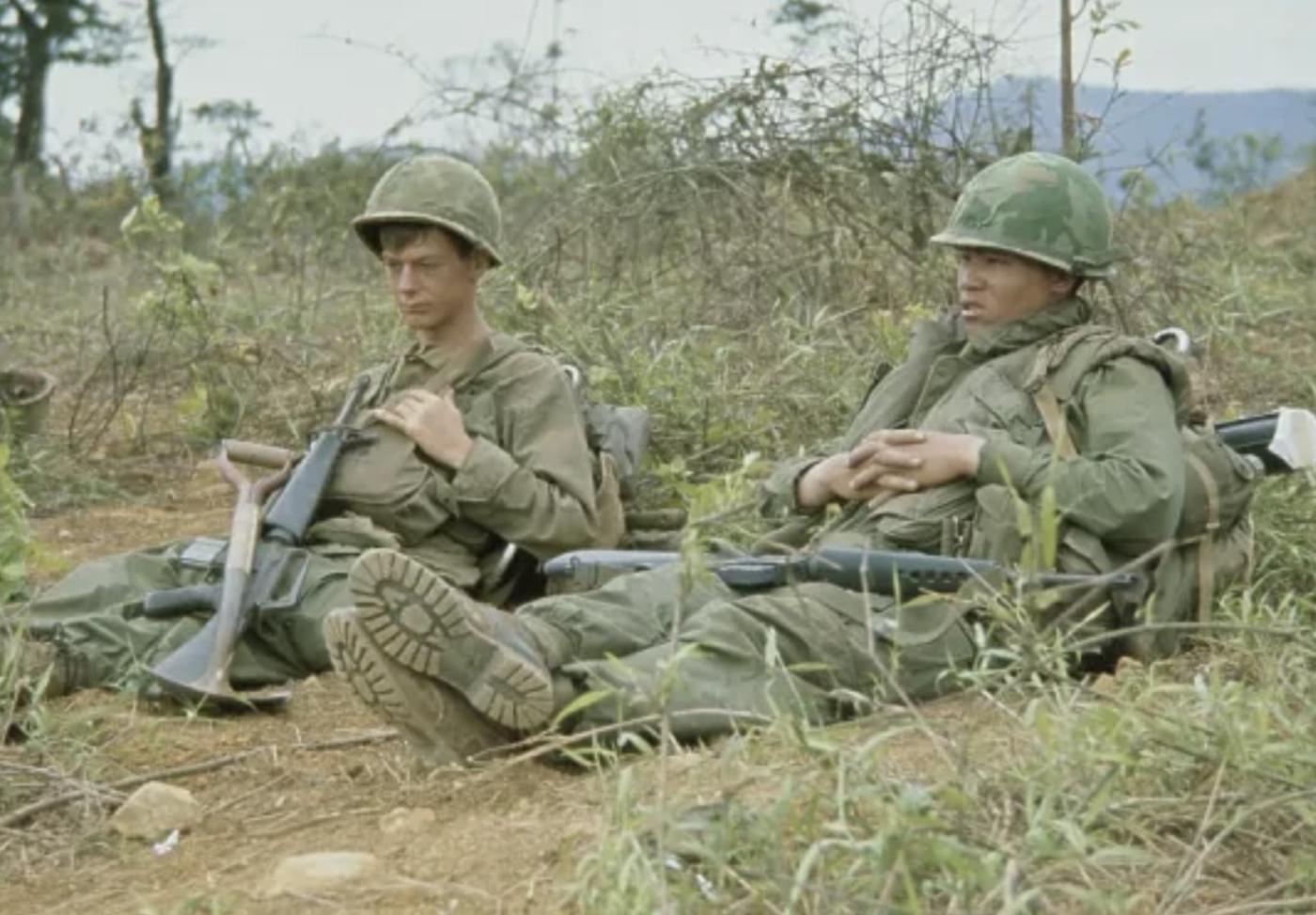
The CIDG troops fought alongside the Green Berets, manning bunkers and firing from trenches as Captain Jones and his team coordinated defensive fire and called for support. U.S. defenders requested air strikes and artillery wherever possible. Tactical aircraft and gunships played a critical role in preventing the camp from being immediately overrun, striking enemy assembly areas and assaulting troops outside the wire. However, poor weather at times reduced visibility and limited the effectiveness of close air support. The camp’s isolation meant reinforcements could not quickly arrive by ground, leaving the defenders largely dependent on air power and their own resilience.
As the battle continued, the defenders’ situation steadily worsened. Ammunition stocks dwindled, communications were intermittently disrupted, and several key defensive positions had been destroyed or captured. Casualties mounted among both the U.S. Special Forces and the CIDG. Despite suffering heavy losses from air strikes and concentrated defensive fire, the North Vietnamese continued pressing coordinated assaults, demonstrating both numerical superiority and determination.
The final collapse came after repeated attacks penetrated the perimeter in multiple locations. Once the outer defensive ring was breached, fighting shifted to close-quarters combat within the camp itself. Bunkers were attacked with satchel charges and RPGs. Surviving defenders attempted to consolidate around central positions, but the camp was ultimately overrun. Some personnel were killed in action, others wounded, and a number were captured. A portion of the surviving defenders managed to escape during the chaos or were later evacuated.
Casualty figures vary depending on the source. U.S. losses included several Special Forces soldiers killed and many wounded. CIDG casualties were considerably higher, with dozens killed in the fighting. The North Vietnamese also suffered substantial losses due to concentrated air strikes and defensive fire; estimates range from scores to several hundred killed, though exact numbers remain uncertain.
The loss of the Sa Huỳnh camp illustrated several important tactical realities of the Vietnam War in 1968. Even well-trained and fortified Special Forces camps could be overwhelmed by large conventional formations willing to sustain heavy casualties. The North Vietnamese Army had evolved into a force capable of coordinated, multi-battalion attacks supported by heavy weapons. While U.S. air power remained formidable, it could not always compensate for isolation, adverse weather, and overwhelming ground assault.