On this day in military history…
On 4 March 1941 British and Norwegian commandos carried out a combined raid against the German-occupied Lofoten Islands off the northern coast of Norway. The operation was codenamed Operation Claymore and became one of the first large-scale offensives mounted by Britain’s newly formed commando forces during the Second World War. At a time when Britain had few opportunities to strike directly at German-held Europe, the raid provided both practical military gains and an important boost to morale.
The Lofoten Islands were chosen because they were a major center of fish processing and fish-oil production. Large quantities of fish oil were converted into glycerine, a key ingredient in the manufacture of explosives used by the German war industry. By destroying factories and stored oil stocks, the British aimed to disrupt Germany’s supply chain. The islands also offered a chance to seize prisoners, gather intelligence, and demonstrate that Allied forces could strike swiftly and escape.
The raiding force sailed from Scapa Flow in the Orkneys under the overall command of Brigadier Joseph Charles Haydon, commander of the Special Service Brigade. The main assault troops came from No. 3 Commando under Lieutenant-Colonel John Durnford-Slater and No. 4 Commando under Lieutenant-Colonel Dudley Lister. In total, about 500 British commandos took part, supported by approximately 50 Royal Engineers tasked with demolitions. Around 52 Norwegian soldiers from the Norwegian Independent Company 1 joined the force, including men associated with Captain Martin Linge, representing the Free Norwegian forces fighting alongside Britain.
The naval task force transporting the commandos included the infantry landing ships Princess Beatrix and Queen Emma, escorted by Royal Navy destroyers such as HMS Somali. The ships crossed the North Sea in winter conditions and approached the Lofoten Islands in the early hours of 4 March. The plan called for simultaneous landings at several locations including Svolvær, Stamsund, Henningsvær, and Brettesnes. The attackers achieved almost complete surprise. German garrisons were small and unprepared, and resistance was minimal.
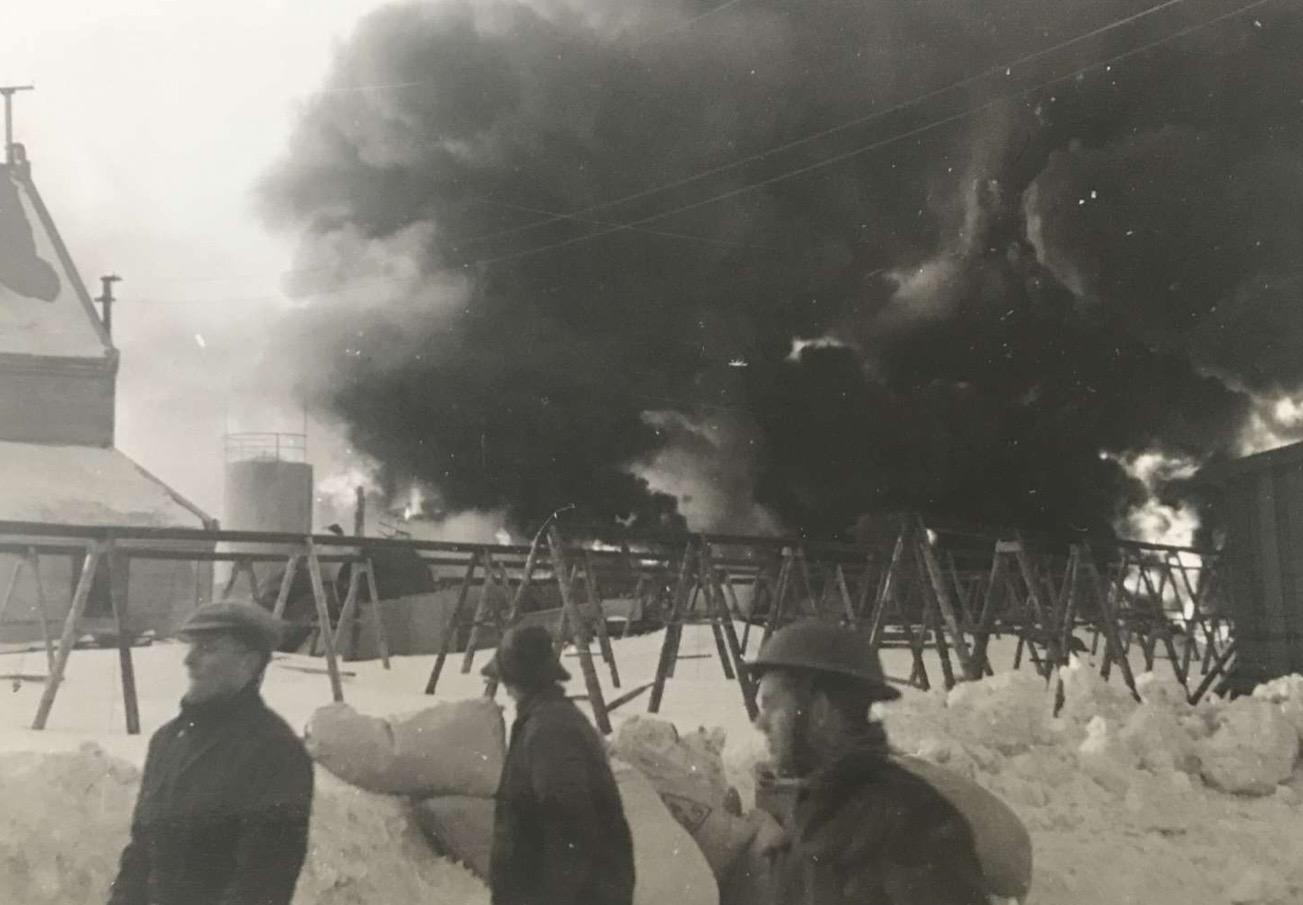
One brief naval engagement occurred when the armed German trawler Krebs attempted to engage the British destroyers. It was quickly overwhelmed. Boarding parties secured the vessel and gathered valuable materials before it sank. On shore, demolition teams methodically destroyed fish-oil factories, storage tanks, and processing plants. Eleven factories were wrecked, and vast quantities of oil and fuel were set ablaze. In addition, around 18,000 tons of shipping were sunk or captured, including several merchant vessels.
The commandos captured approximately 228 German prisoners. They also detained collaborators and invited local Norwegians to leave with them; about 300 Norwegian volunteers chose to sail back to Britain to join the Free Norwegian forces rather than remain under occupation. Allied casualties were negligible, reportedly limited to a single accidental injury.
The most strategically significant outcome of the raid was the capture of German cryptographic material. Although the crew of Krebs attempted to destroy sensitive equipment, the boarding party managed to recover important codebooks and rotor components from an Enigma cipher machine. These materials were sent to British codebreakers at Bletchley Park. The captured documents and rotor wheels proved invaluable in helping British intelligence read German naval communications for a period, aiding convoy protection during the critical Battle of the Atlantic.
After roughly six hours ashore, the commandos re-embarked with prisoners, volunteers, and captured intelligence. The withdrawal was orderly and unopposed, and the force returned safely to Britain. Operation Claymore was widely regarded as a success. It inflicted material damage on the German war economy, delivered intelligence of lasting importance, and demonstrated the effectiveness of well-planned amphibious raids. It also strengthened cooperation between British and Norwegian forces and marked an early example of the type of commando warfare that would become increasingly significant as the war progressed.