On this day in military history…
Operation Cold Comfort, later renamed Zombie, was one of the more ambitious and ill-fated Special Air Service missions of the final months of the Second World War. Launched in February 1945, its objective was to cripple the vital Brenner Pass railway and restrict German troop movements into and out of Italy ahead of the Allied spring offensive. What followed was a story of misdirected drops, hostile terrain, and quiet endurance in the mountains of northern Italy.
The plan focused on the Brenner Pass in South Tyrol, a narrow and heavily defended corridor linking Italy to Austria and southern Germany. If the railway and road running through the Adige Valley could be blocked, German reinforcements would be delayed or halted altogether. The proposed method was dramatic. A towering rock pinnacle overlooked both the railway and the main road. By packing explosives into the crevice separating the pinnacle from the mountainside, the SAS hoped to collapse the mass into the valley below, damming the river and cutting the route in a single devastating blow.
The scheme depended on precision, secrecy, and local cooperation, all of which were in short supply. Unlike much of northern Italy, where Allied raiders often benefited from sympathetic civilians and established partisan networks, South Tyrol was largely German-speaking and openly hostile. To reduce this danger, the drop zones were placed farther south around Monte Pasubio, in Italian-speaking territory where partisan support was expected.
The operation opened with a small advance party. On 14 February 1945, Captain Littlejohn, the mission commander, and three others parachuted in to reconnoitre the area and prepare for the main landing. Almost immediately, things went wrong. The aircraft released them far too far east, on the Asiago Plateau near Monte Pau. With no practical alternative, Littlejohn remained in hiding until the date of the main drop and then attempted to move west toward the intended area.
That movement proved fatal. The party encountered a large group of Italian Fascists, and in the ensuing clash Littlejohn and Sergeant Crowley were wounded and captured. They were handed over to the SS in Bolzano, interrogated, and held for several weeks. Despite their treatment, neither man disclosed any information about the rest of the operation. On 19 March 1945, both were executed.
Unaware of their commander’s fate, the main SAS force jumped on 24 February. Once again, the drop was inaccurate. The men landed at Monte Moscaigh, north of the first misdrop, and were scattered across difficult terrain. Most of their separately dropped supplies were lost. Italian partisans soon located the survivors and guided them to a hidden refuge in the hills above Camporovere, near Asiago.
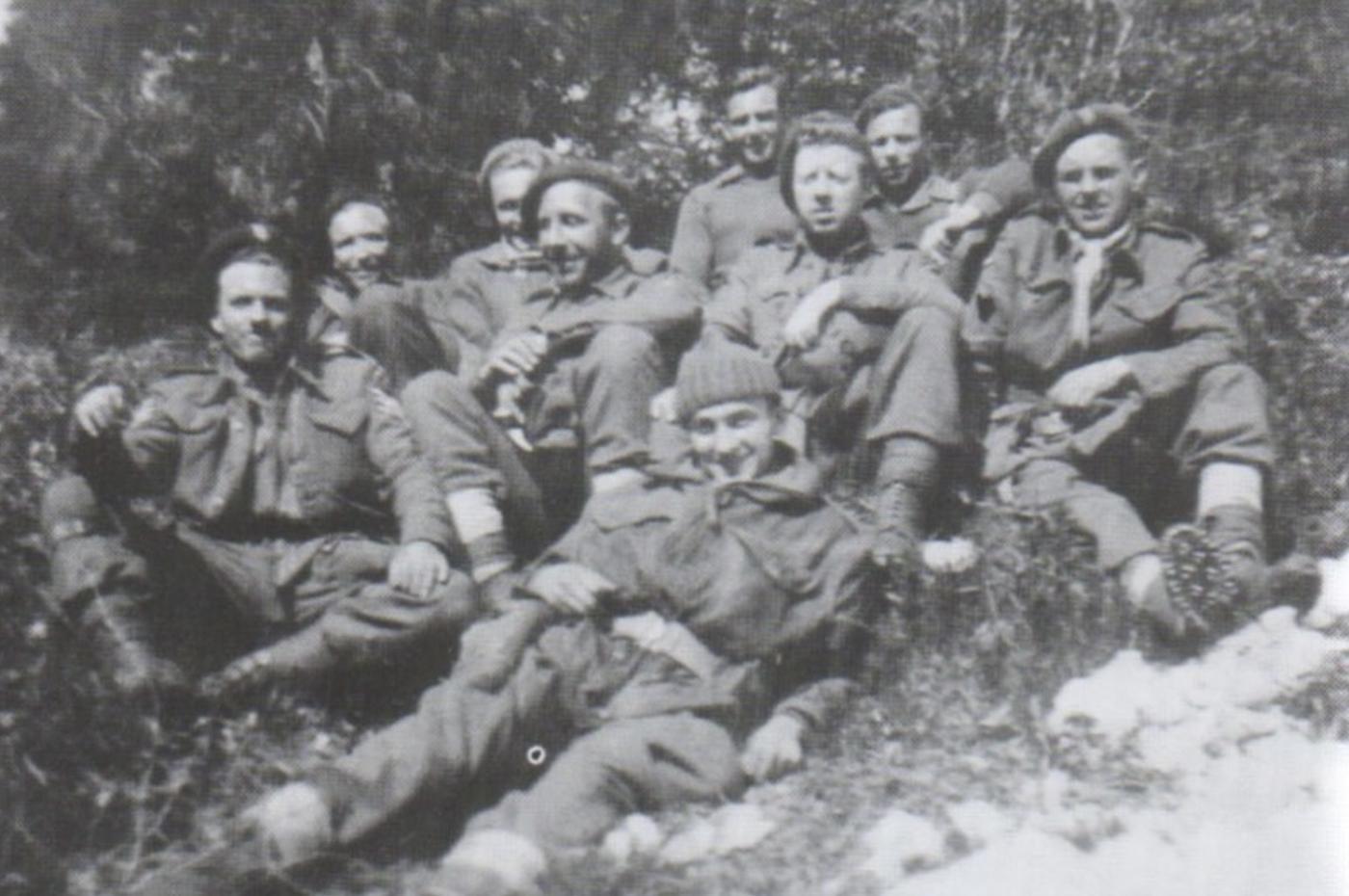
Over the following days the scattered troopers gradually regrouped. Eventually ten SAS soldiers and a Special Forces signaller assembled at the partisan hideout. Radio contact with headquarters was established, but repeated attempts to arrange supply drops failed. Short of equipment and explosives, the original plan to destroy the Brenner route became increasingly unrealistic.
Instead, the SAS lived and operated alongside the partisans. For weeks they remained in the mountains, sharing food, intelligence, and danger. They took part in several clashes with German forces and their allies, and one attempt was made to attack the Brenner route indirectly, but without success. By late March, with no prospect of achieving the original objectives and with their commander dead, the operation was formally declared a failure.
Some of the survivors were evacuated soon afterwards, while others stayed in the mountains until the Allied advance reached the area. They were present when Asiago was liberated by the partisans, standing alongside the men and women who had sheltered them through the winter.
Operation Cold Comfort, or Zombie, failed to achieve its strategic aims. The Brenner Pass railway remained open, and the planned landslide never occurred. Nevertheless, most of the SAS troops involved survived against the odds, fought effectively alongside resistance forces in hostile territory, and demonstrated resilience and discipline in extremely difficult circumstances. It remains a lesser-known episode of the Italian campaign, but one that illustrates both the ambition and the human cost of special operations in the closing months of the war.